Whole House Rewire Cost in Texas (2026 Guide)
House Escort Team
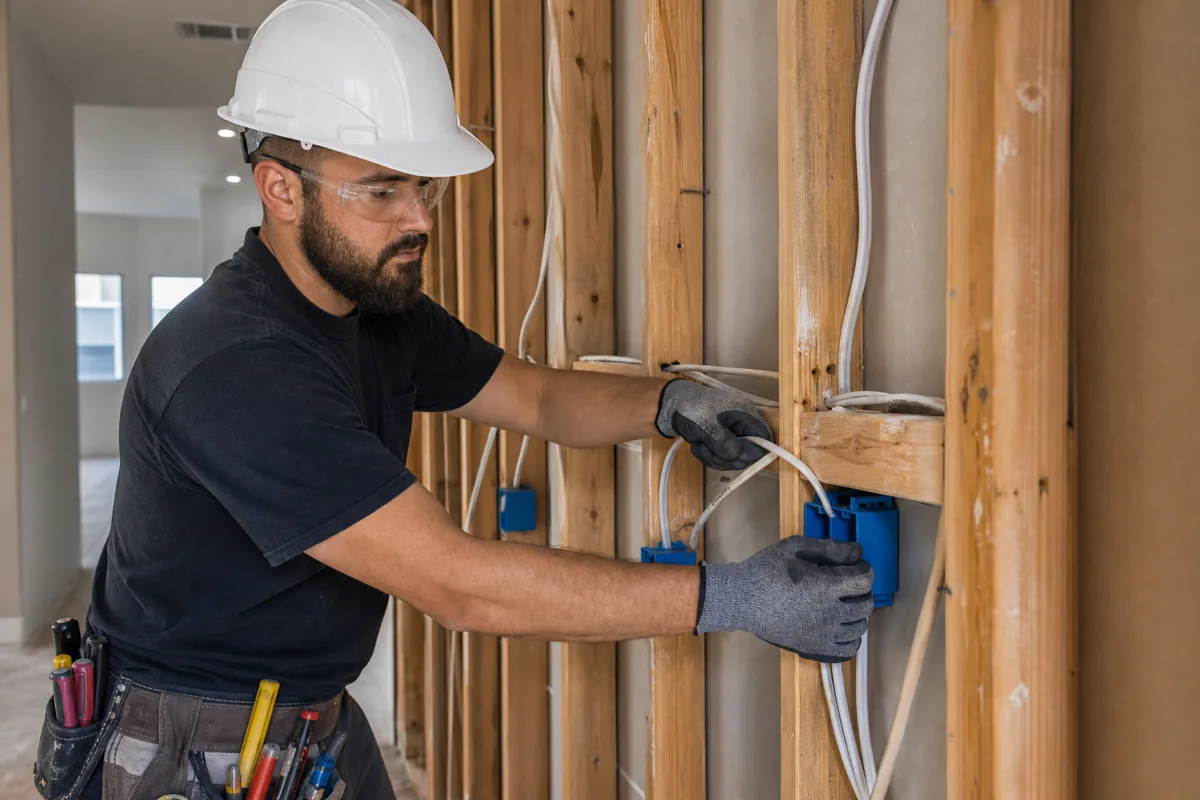
A whole house rewire is one of the largest electrical projects a Texas homeowner can undertake — and often one of the most necessary. Older Texas homes with aluminum wiring, knob-and-tube wiring, or undersized electrical systems pose real safety risks and may affect homeowner’s insurance coverage, home sale eligibility, and the ability to add modern electrical loads like EV chargers, whole-home generators, and high-amperage appliances.
This guide covers what drives whole house rewire costs in Texas, when rewiring is necessary, and how to find and work with a licensed Texas electrician.
When Does a Texas Home Need a Full Rewire?
Aluminum wiring (homes built 1965–1973): Single-strand aluminum wiring was used in many Texas homes during this period. Aluminum expands and contracts more than copper with temperature changes, creating loose connections at outlets, switches, and panels that can arc and cause fires. Insurance companies often require remediation or charge higher premiums. A full copper rewire is the permanent fix; pigtailing (COPALUM or AlumiConn connectors at every connection) is an approved remediation that costs less than full replacement.
Knob-and-tube wiring (homes built before 1950): Older Texas homes in neighborhoods like Montrose (Houston), Hyde Park (Austin), and historic Fort Worth areas may still have knob-and-tube wiring. This system has no ground conductor, cannot safely support modern electrical loads, and is a fire risk if insulation has been placed over it (which eliminates its cooling capacity). Most insurers will not cover homes with active knob-and-tube wiring, and most lenders require it to be remediated before issuing mortgages.
Undersized service and panel: Older homes with 60-amp or 100-amp services cannot safely power modern households with EV chargers, large HVAC systems, and multiple large appliances. Upgrading to 200-amp service is often paired with a full or partial rewire.
Frequent breaker trips, flickering lights, burning smell: These symptoms indicate electrical system issues that may warrant inspection and potential partial or full rewiring.
Texas Whole House Rewire Cost Breakdown
Small home (1,000–1,500 sq ft): $8,000–$15,000
Medium home (1,500–2,500 sq ft): $12,000–$22,000
Large home (2,500–4,000 sq ft): $18,000–$35,000
Very large or complex homes: $30,000–$60,000+
These estimates include: all new wiring, new panel (200-amp), new outlets, switches, and covers, all permits and inspections, and restoration of drywall if wall opening is required.
Major cost variables:
Drywall access: If walls must be opened to run new wire, drywall repair and repainting is a significant added cost ($2,000–$10,000). Some electricians use fish-tape techniques to pull wire through existing walls without opening them — faster and less disruptive but only possible in some configurations.
Finished vs. unfinished basement/attic: Homes with accessible attic and crawl space allow much faster (and cheaper) rewiring than fully finished homes with no accessible ceiling cavities.
Panel location and service entrance: If the service entrance panel needs to be relocated — or if underground service to the home needs to be upsized — add $2,000–$8,000 for utility coordination.
Adding circuits: If you’re adding EV charger circuits, generator transfer switch, whole-home surge protector, or additional circuits for kitchen, bathroom, or garage, add $200–$800 per additional circuit.
Texas Electrical Permit and Inspection Requirements
All electrical rewiring in Texas requires permits and inspections. This is not optional — unpermitted electrical work is dangerous, can void your homeowner’s insurance, and must be disclosed in home sales.
The permitting process in Texas varies by city and county. In most Texas municipalities, an electrical permit for a whole house rewire costs $200–$600 and requires multiple inspections (rough-in inspection after wiring is run but before drywall, and final inspection after panel and cover plates are installed).
Your licensed Texas electrician should pull all required permits. If a contractor suggests skipping permits, find someone else.
What to Look For in a Texas Electrical Contractor
- Verify Texas electrical contractor license through TDLR (tdlr.texas.gov)
- Confirm master electrician is on staff or available for permit pulls
- Request itemized written proposal with specific scope of work
- Verify general liability insurance and workers’ compensation
- Ask for references from similar-scope Texas rewiring projects
- Get at least two or three bids — rewiring cost quotes can vary by 30–50%
Need a licensed electrician in Texas for a rewire or electrical upgrade? House Escort connects you with vetted electrical contractors in your area.
More guides:
Frequently Asked Questions
How much does it cost to rewire a house in Texas?
Whole house rewiring in Texas costs $8,000–$35,000+ depending on home size, construction type, and accessibility. A 1,500 sq ft home typically runs $10,000–$18,000 including new 200-amp panel, all new wiring, and drywall restoration. Get at least two or three written bids from licensed Texas electricians.
Is it safe to buy a house in Texas with aluminum wiring?
Aluminum wiring is a recognized safety risk, but it can be mitigated without full rewiring. COPALUM crimp connectors or AlumiConn connectors pigtailed at every connection point (outlets, switches, and fixtures) is the CPSC-approved remediation short of full replacement. This costs significantly less than full rewiring — typically $2,000–$6,000 for a standard home. Full copper rewire eliminates the aluminum wiring entirely.
Do I need a permit to rewire my house in Texas?
Yes. All significant electrical work in Texas requires permits and inspections. This includes whole house rewiring, panel upgrades, and circuit additions. Unpermitted electrical work is not covered by homeowner’s insurance if it causes a loss and must be disclosed when selling a home. Your licensed electrician should pull all required permits.
How long does a whole house rewire take in Texas?
A whole house rewire for a typical Texas home takes 3–7 days for the electrical work itself. Add 2–4 weeks for permit approval (varies by municipality), scheduling, and drywall repair and repainting. Plan for power to be off in sections of the home during the rewiring — many homeowners schedule this during renovation projects when the home is already disrupted.
Can I stay in my home during a Texas whole house rewire?
Usually yes, but with significant disruption — rooms will have power shut off in sections, walls may be opened, and the full panel will be shut down periodically. If the home has an accessible attic or basement that allows wiring without opening walls, disruption is minimized. Discuss logistics with your electrician before the project starts to plan for any days when the entire panel must be off.