Texas Attic Insulation Types: Best Options for Your Home
House Escort Team
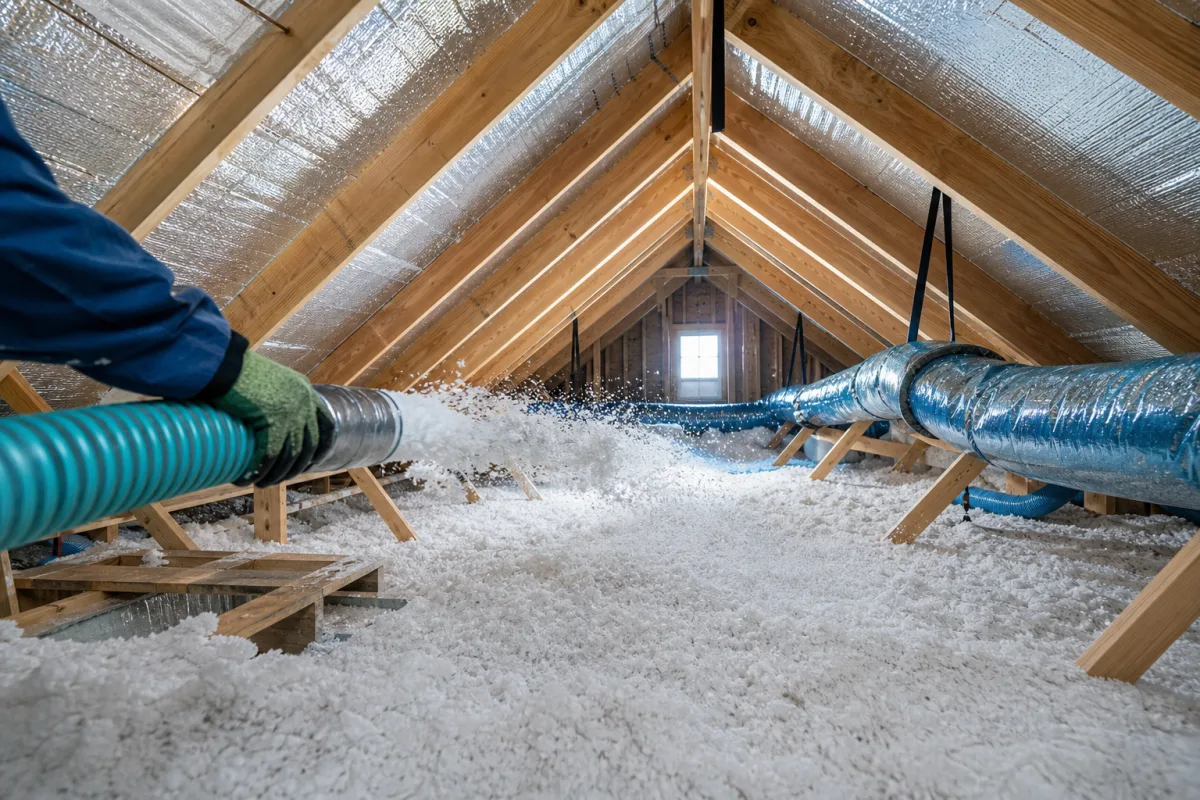
Texas summers are brutal, and your attic plays a critical role in keeping your home comfortable while controlling energy bills. Choosing the right attic insulation can mean the difference between sweltering heat upstairs and a cool, efficient home. Homeowners across the Lone Star State face unique challenges from high humidity, intense UV exposure, and varying winter conditions depending on their location.
This guide covers the main attic insulation types suitable for Texas homes, R-value guidelines for our climate zones, the role of radiant barriers, typical costs, and when it’s time to call a professional insulation contractor.
Understanding Texas Climate Zones and R-Value Needs
Texas spans climate zones 2 and 3 according to the International Energy Conservation Code. Zone 2 covers much of South and Central Texas including Houston, Austin, and San Antonio. Zone 3 includes North Texas around Dallas-Fort Worth and areas further north.
For attics in these zones, the recommended R-value for insulation is R-38 to R-49. Higher R-values provide better resistance to heat flow, which is essential when outdoor temperatures regularly exceed 95°F for weeks at a time.
Proper insulation also helps manage moisture. Texas humidity can lead to condensation issues if ventilation and insulation are not balanced correctly. Many homeowners combine insulation upgrades with other efficiency projects such as an AC tune-up in Texas to maximize overall performance.
Blown-In Fiberglass Insulation
Blown-in fiberglass is one of the most popular choices for Texas attics. Loose-fill fiberglass is blown into the attic using specialized equipment, allowing it to fill gaps around joists, wires, and ducts more completely than batts.
Advantages for Texas homes:
- Excellent coverage in irregular attic spaces
- Good sound dampening
- Relatively quick installation
- Resistant to mold and pests when properly treated
Typical installed cost ranges from $1.50 to $3.50 per square foot depending on depth and accessibility. This method works well for homes with existing insulation that needs topping off to reach target R-values.
Spray Foam Insulation
Closed-cell spray foam offers the highest R-value per inch (approximately R-6.5 to R-7) and creates an air seal that can significantly reduce energy loss. It also acts as a moisture barrier, which is valuable in humid Texas regions.
Key considerations:
- Higher upfront cost, typically $4 to $7 per square foot
- Excellent for sealing around penetrations and creating a conditioned attic space
- May require professional ventilation adjustments
- Can add structural strength to roof decking
Open-cell spray foam is a lower-cost alternative with good sound absorption but less moisture resistance. Many Texas homeowners choose closed-cell for the added durability against our climate.
Batt Insulation
Batt insulation comes in pre-cut rolls or panels, usually made of fiberglass or mineral wool. While easy for DIY in simple attics with clear joist spacing, it often leaves gaps around obstacles that reduce effectiveness.
In Texas homes with complex ductwork or recessed lighting, batts frequently underperform compared to blown-in options unless carefully cut and fitted. They remain a budget-friendly choice for basic upgrades in accessible attics.
Radiant Barriers: An Essential Texas Addition
A radiant barrier is a reflective material installed on the underside of the roof deck or on top of attic insulation. It reflects up to 97% of radiant heat from the sun, dramatically lowering attic temperatures.
In Texas, where attic temperatures can reach 140°F or higher, radiant barriers can reduce cooling loads by 10-20% according to studies from the U.S. Department of Energy. They work best in combination with traditional insulation rather than as a replacement.
Many insulation contractors offer radiant barrier installation as part of a complete attic package, especially when paired with foundation inspection services to ensure the whole home envelope is addressed.
Energy Savings and Return on Investment
Upgrading attic insulation in Texas typically delivers energy savings of 15-30% on summer cooling costs. The payback period ranges from 3 to 7 years depending on your current insulation level, local utility rates, and the type of insulation chosen.
Homes with R-19 or less in the attic see the largest gains. Adding a radiant barrier on top of new insulation further improves performance and can extend the life of your HVAC system.
When to Call a Professional vs. DIY
DIY insulation projects are tempting, but Texas attics present specific hazards including extreme heat, wildlife, and electrical hazards around recessed lights and wiring. Professional installers have the equipment to achieve proper depth and density without compressing the material, which reduces R-value.
Consider hiring a contractor if:
- Your attic has existing insulation that needs assessment
- You need to reach R-49 or higher
- There are ducts, pipes, or recessed lights requiring careful work
- You want a radiant barrier or spray foam application
For complex jobs, professionals also handle proper ventilation balancing to prevent moisture problems common in our humid climate.
Choosing the Right Insulation Contractor
Look for contractors familiar with Texas energy codes and local rebate programs. Verify they carry proper insurance and offer warranties on both materials and workmanship. Many reputable companies provide free attic inspections and detailed R-value calculations tailored to your specific home and climate zone.
Upgrading your attic insulation is one of the highest-impact home improvements for Texas homeowners seeking lower energy bills and improved comfort year-round.
Frequently Asked Questions
What R-value should I target for my Texas attic? Most Texas homes in zones 2 and 3 should aim for R-38 to R-49. Your contractor can measure existing insulation and recommend the right upgrade.
Is spray foam worth the higher cost in Texas? Closed-cell spray foam provides superior air sealing and moisture control, making it worth the investment for many homeowners, especially in humid areas or homes with older ductwork.
How long does attic insulation last? Quality fiberglass and spray foam insulation can last 20-30 years or longer when properly installed. Radiant barriers have similar lifespans.
Can I add insulation over existing material? Yes, as long as the existing insulation is dry and not compressed. Blown-in fiberglass is commonly added over older batts or loose fill.
Will new insulation help with my energy bills immediately? Most homeowners notice reduced cooling costs within the first summer after installation, with full payback typically occurring within 3-7 years.