Foundation Inspection Cost in Texas: What to Expect
House Escort Team
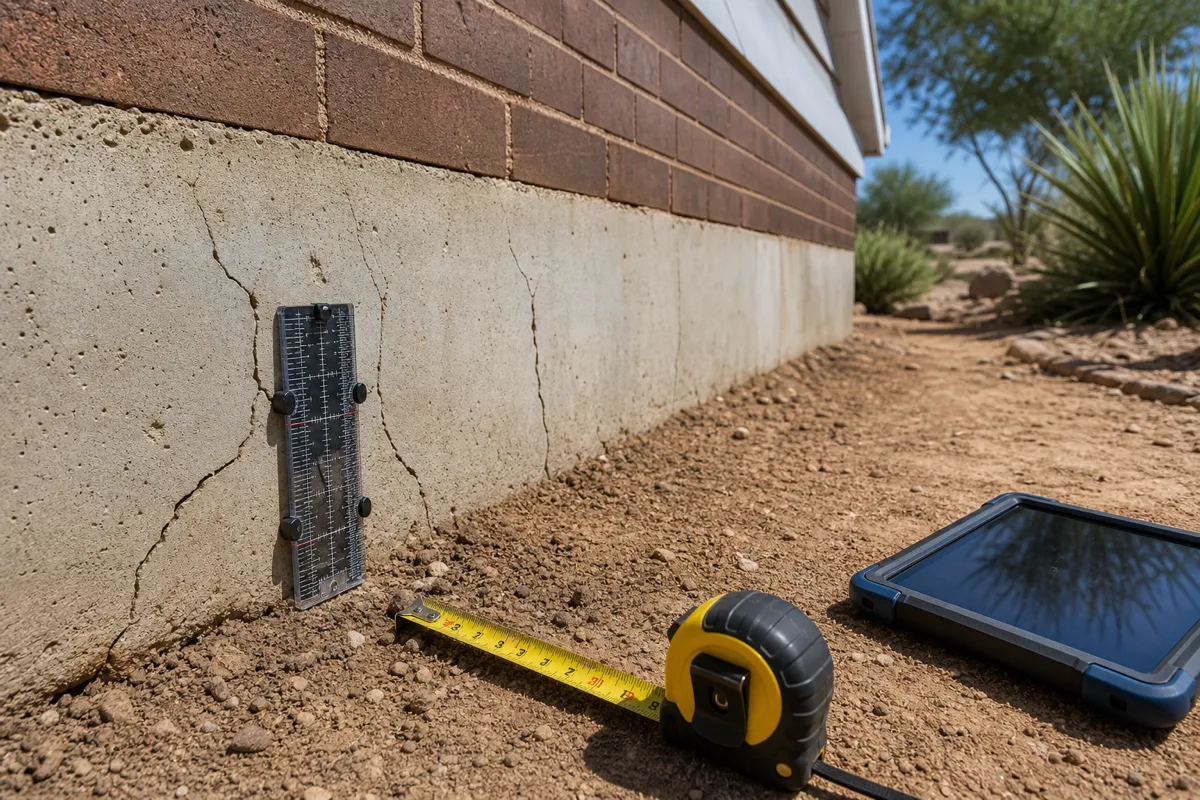
Foundation issues are Texas homeowners’ most feared home repair item — and for good reason. Texas’s expansive clay soils shrink and swell dramatically with moisture changes, exerting enormous pressure on foundations year after year. Knowing when to get a foundation inspection, what it costs, and how to interpret results is essential for Texas homeowners.
Average Foundation Inspection Cost in Texas
| Inspection Type | Cost Range |
|---|---|
| Visual inspection (professional) | $200–$500 |
| Elevation survey (structural engineer) | $400–$800 |
| Structural engineer report + elevation survey | $700–$1,500 |
| Geotechnical investigation (soil borings) | $1,500–$5,000+ |
Who does the inspection?
- Foundation repair companies often offer free or low-cost inspections, but they have an obvious financial incentive to recommend repairs
- Licensed structural engineers (PE) provide the most credible and objective assessment — their report is recognized by lenders, insurance companies, and buyers
- Certified home inspectors include foundation visual inspection as part of a general home inspection
For real estate transactions and any situation where you want an unbiased opinion, pay for a structural engineer’s inspection. The $700–$1,500 cost is trivial relative to the repair decisions they inform.
What a Foundation Inspection Covers
A thorough Texas foundation inspection includes:
Exterior assessment:
- Cracks in brick veneer, siding, or stucco
- Gaps at foundation-to-wall junctions
- Settlement evidence (differential movement between sections)
- Drainage patterns — soil grading, gutters, downspout discharge
- Visible pier caps or exposed foundation sections
Interior assessment:
- Door and window operation — sticking doors and windows are a key foundation movement indicator
- Cracks in drywall — particularly diagonal cracks from window corners (tension cracks), stair-step cracks in brick walls, or cracks at ceiling/wall junctions
- Floor levelness — a laser or water level checks elevation differentials across the floor system
- Visible framing if accessible (crawl space or pier and beam)
Elevation survey: A structural engineer uses a professional optical or digital level to measure elevation readings at multiple points across the home’s floor system. The resulting elevation map shows where the slab has dropped, heaved, or tilted. This quantifies the severity of movement.
Report and recommendations: A structural engineer’s report identifies: whether movement is within normal tolerance, what the likely cause is (moisture management, poor drainage, tree roots, plumbing leak), and what — if any — foundation repair is warranted.
Texas Foundation Types and Failure Modes
Post-tension slab (most common in modern Texas construction): Concrete slab with steel cables tensioned after pouring. Generally very resistant to foundation movement. Repairs are expensive and complex.
Conventional reinforced slab: Standard rebar reinforcement. More common in older construction. More susceptible to differential settlement.
Pier and beam (older homes, 1940s–1970s): Wood frame home supported on concrete or masonry piers. More repairable than slab — individual piers can be shimmed or replaced. Crawl space allows direct inspection of the structure.
Common failure causes in Texas:
- Expansive clay soil movement (shrink/swell with drought and rain cycles)
- Plumbing leaks under the slab creating localized soil saturation
- Tree root penetration drawing moisture from soil adjacent to the foundation
- Improper drainage directing water toward the foundation rather than away
Reading Foundation Cracks: What’s Normal vs. Concerning
Hairline cracks in drywall: Common in Texas homes due to seasonal movement. Generally not structural concern.
Diagonal cracks from window/door corners: Tension cracks indicating differential movement. Monitor for progression. If growing or accompanied by sticking doors, get a professional evaluation.
Stair-step cracks in brick veneer: Indicate differential settlement. The direction and pattern helps identify where movement is occurring.
Cracks with displacement: If one side of a crack is higher than the other (offset/lip), this indicates more significant differential movement and warrants professional evaluation regardless of crack size.
Horizontal cracks in masonry foundation walls: Potentially serious — indicates lateral pressure from soil. Get an engineer evaluation promptly.
When to Get a Foundation Inspection
- Before purchasing any Texas home (a structural engineer inspection is a worthwhile additional inspection beyond standard home inspection)
- When you notice new or growing cracks, sticking doors, or sloping floors
- After an extended severe drought period (Texas clay soils shrink significantly — followed by significant settlement)
- Before selling your home — knowing your foundation condition prevents mid-deal surprises
- After a plumbing slab leak is repaired
Find a structural engineer or foundation inspector on House Escort.
Find a Foundation Inspector Near You →
Frequently Asked Questions
Should I use a foundation repair company or a structural engineer for a Texas foundation inspection?
For an objective evaluation, hire a structural engineer (licensed PE with structural engineering credentials). Foundation repair companies often offer free inspections — but they have a financial interest in recommending repairs. A structural engineer’s report is objective, recognized by lenders and insurers, and helps you make decisions based on unbiased data. If an engineer finds significant issues, you can then get competitive bids from repair companies.
What do diagonal cracks in my Texas walls mean?
Diagonal cracks at 45 degrees from the corners of doors and windows are tension cracks caused by differential foundation movement — one part of the foundation has moved relative to another. In Texas’s expansive clay soils, minor seasonal cracks are common. The concern rises when cracks are growing (measure and date them), when doors or windows become difficult to operate, or when cracks appear suddenly after a significant weather event. A structural engineer can evaluate severity.
How much does foundation repair cost in Texas?
Foundation repair costs vary significantly by repair type and severity. Pier installation for slab foundation is typically $1,200–$1,800 per pier installed. A typical Texas slab foundation repair uses 8–25 piers ($9,000–$45,000+ for a mid-size home). Pier and beam repairs are often less expensive — shimming and beam repairs can run $2,000–$15,000 depending on scope.
Does home insurance cover foundation repair in Texas?
Standard Texas homeowner’s insurance (HO-3 policies) typically excludes foundation damage caused by soil movement, settling, and shrinking — the most common Texas causes. Foundation repair is generally a homeowner’s cost. The exception: if a sudden plumbing slab leak caused the foundation damage, the plumbing repair may be covered while the foundation impact is subject to policy language. Read your specific policy and consult with your insurance agent about what is and isn’t covered.