Texas AC Tune-Up Checklist for Homeowners
House Escort Team
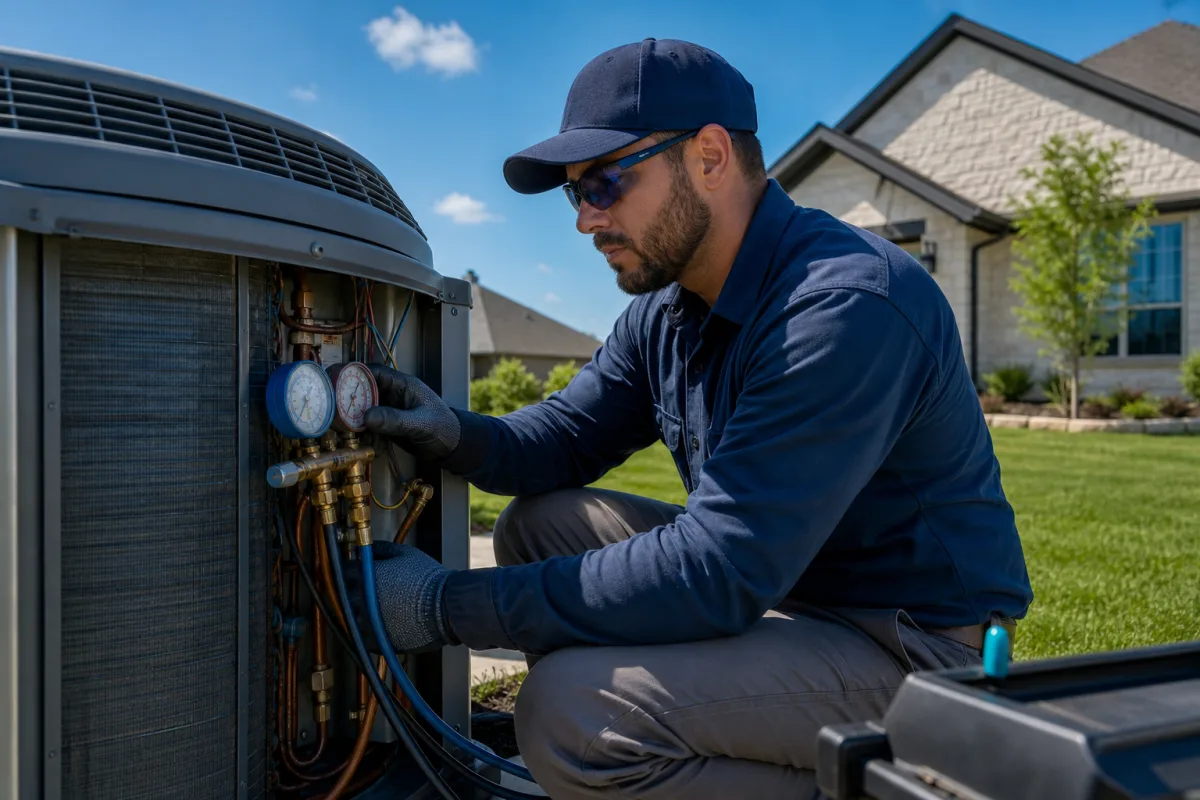
Texas summers demand peak performance from your air conditioning system. With temperatures regularly exceeding 95 degrees in Houston, Dallas, Austin, and San Antonio, a thorough AC tune-up before Memorial Day weekend can prevent mid-July breakdowns when service calls surge.
A professional tune-up goes far beyond changing a filter. Certified technicians follow a systematic checklist that addresses refrigerant levels, coil cleanliness, electrical components, drainage, and thermostat accuracy. Skipping this annual service often leads to higher energy bills and expensive emergency repairs during the hottest months.
What a Certified Tech Checks During a Texas AC Tune-Up
Licensed HVAC professionals in Texas follow manufacturer and ACCA guidelines during every tune-up. The process typically takes 60-90 minutes and covers these critical areas:
Refrigerant Level Verification and Adjustment Technicians measure superheat and subcooling values to confirm the system holds the correct refrigerant charge. Low refrigerant indicates a leak that requires repair before recharging. In Texas heat, even a 10% undercharge can reduce efficiency by 20% or more.
Evaporator and Condenser Coil Cleaning Dirt and pollen accumulation on coils restricts airflow and heat transfer. Techs use specialized cleaners to remove buildup without damaging fins. Clean coils improve efficiency and extend compressor life in dusty Texas environments.
Condensate Drain Line Clearing Texas humidity produces large volumes of condensation. Technicians clear algae and debris from the drain line to prevent backups that can cause water damage or trigger safety switches. They often install or check secondary drain pans and float switches.
Thermostat Calibration and Programming Accurate temperature readings ensure the system cycles properly. Techs verify calibration, check for proper wiring, and optimize programmable settings for Texas occupancy patterns. Smart thermostat integration gets reviewed if present.
Electrical Component Inspection All capacitors, contactors, and wiring connections receive torque checks and visual inspection. Loose connections cause voltage drops that stress motors. In older Texas homes, technicians often identify aluminum wiring issues requiring updates.
Blower Motor and Fan Assessment Airflow across the evaporator coil gets measured. Technicians lubricate motors, check belt tension on older units, and verify variable-speed operation on modern systems. Proper airflow prevents coil icing during humid conditions.
Safety and Control Circuit Testing Limit switches, pressure controls, and defrost boards undergo functional tests. These components protect the system during extreme Texas weather swings from spring hail to summer heat waves.
Cost of Professional Tune-Up vs Skipping It
According to data from the U.S. Department of Energy, regular maintenance can reduce cooling energy consumption by 15-20%. In Texas, where summer electric bills often exceed $300 monthly, that savings adds up quickly.
Professional AC tune-ups in major Texas metros typically range from $89 to $179 depending on system age, accessibility, and whether the company includes filter replacement or chemical coil cleaning. Homeowners who skip annual service frequently face compressor replacements costing $1,200-$2,500 or full system replacements earlier than the 12-15 year expected lifespan.
The Air Conditioning Contractors of America (ACCA) recommends annual maintenance for systems in hot climates like Texas. Their Standard 4 outlines the minimum inspection points that protect both equipment and homeowner investment.
Skipping tune-ups also voids many manufacturer warranties. Most compressor warranties require documented annual service by a licensed contractor.
Signs Your AC Needs More Than a Tune-Up
A tune-up reveals underlying issues. Watch for these red flags during or after service:
- Uneven cooling between rooms, often indicating ductwork problems or low refrigerant
- Short cycling (system turns on and off rapidly) usually signals electrical or thermostat issues
- Ice formation on refrigerant lines points to airflow restrictions or charge problems
- Unusual noises from the outdoor unit suggest failing fan motors or compressors
- Musty odors indicate mold growth in the evaporator coil or drain pan
When these appear, homeowners should consider linking to related services such as electrical system evaluations or roof leak assessments that can affect HVAC performance.
How to Find an ACCA-Certified HVAC Technician in Texas
Not all HVAC companies maintain the same standards. ACCA membership and technician certification through NATE or EPA Section 608 provide assurance of proper training.
Search the ACCA contractor locator for companies in your Texas city. Verify current licensing through the Texas Department of Licensing and Regulation (TDLR) website. Ask specifically about their tune-up checklist and whether they follow ACCA Standard 4.
House Escort connects homeowners with pre-vetted, licensed pros who complete detailed service documentation. This transparency helps you compare quotes and verify credentials before scheduling.
Preparing Your Home for the Technician Visit
Clear access to both indoor and outdoor units. Move furniture, pets, and vehicles away from the equipment. Have your filter size and last replacement date ready. Note any recent performance changes or error codes displayed on your thermostat.
Technicians appreciate homeowners who provide gate codes or alarm instructions in advance. This keeps the appointment on schedule and allows full attention to the system inspection.
Frequently Asked Questions
How often should Texas homeowners schedule AC tune-ups?
Annual service before summer is the minimum. Homes with pets, smokers, or near construction sites benefit from twice-yearly visits. Spring and fall appointments catch issues before peak demand seasons.
Does a tune-up include refrigerant top-off?
No. Adding refrigerant without finding and repairing the leak violates EPA regulations. Ethical companies locate the leak first, repair it, then recharge to factory specifications.
Can I perform my own AC maintenance?
Homeowners can safely replace filters and keep outdoor coils clear of debris. Any work involving refrigerant, electrical components, or gas lines requires licensed professionals in Texas.
What happens if my system fails during the tune-up?
Reputable companies provide upfront diagnostic pricing and offer repair options before leaving. Many Texas pros carry common parts on trucks to complete minor fixes the same day.
Will a tune-up fix poor airflow or high humidity?
A tune-up optimizes existing equipment. Persistent humidity or airflow problems often require duct modifications, dehumidifier installation, or system upgrades. Technicians diagnose root causes during the visit.
Word count: approximately 1,420