Pest Control Route Building: From Zero to 200 Clients
House Escort Team
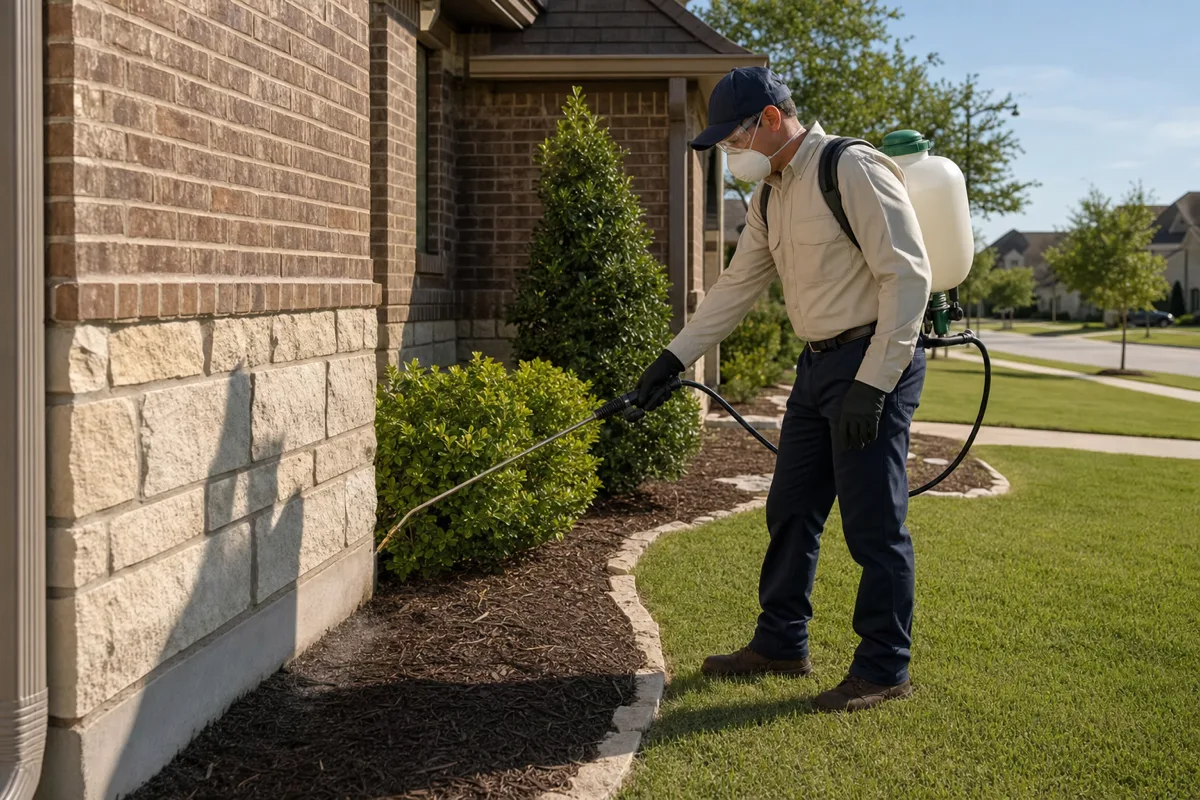
Pest control is one of the best recurring-revenue businesses in Texas. A well-built pest control route delivers predictable monthly income, requires relatively low overhead compared to other service businesses, and benefits from Texas’s climate — warm, humid conditions that support year-round pest activity and client demand. A solo operator with a focused geographic route can build a $150,000–$250,000+ annual revenue business with the right approach.
This guide covers how to build a pest control route in Texas from your first client to a 200-client sustainable business.
Texas Pest Control Licensing — Start Here
Pest control in Texas is regulated by the Texas Department of Agriculture (TDA). Before you touch a single product, you need the right credentials:
Structural Pest Control Operator License: Required to run a pest control business in Texas. Prerequisites include passing the TDA licensing exam, submitting to a background check, and maintaining Continuing Education Units (CEUs) to renew. Visit texasagriculture.gov for current requirements.
Pesticide Applicator License: You and any employees who apply pesticides must hold individual applicator licenses or work under a licensed operator’s supervision.
Insurance: Texas requires pest control businesses to maintain liability insurance. Minimum $500,000 per occurrence is standard; $1M is preferable and often required by commercial clients.
EPA requirements: Some pesticide products require additional EPA certifications. Know the labels of every product you apply — the label is the law.
The Route Business Model: Why Recurring Wins
Pest control’s financial power comes from recurring clients — homeowners on quarterly, bi-monthly, or monthly service agreements who pay every time, generate predictable revenue, and rarely cancel.
The math of route-based recurring revenue:
- 100 clients on quarterly service at $150/treatment = $60,000/year
- 100 clients on bi-monthly service at $100/treatment = $120,000/year
- 200 clients on quarterly service at $150/treatment = $120,000/year
This is why building a route — not chasing one-time jobs — is the key to a profitable solo pest control business. Every client you add to your route compounds: they pay quarterly forever (if you keep them happy), and they refer neighbors.
Pricing Your Texas Pest Control Services
General pest control (quarterly, interior and exterior service):
- Average home (2,000–3,000 sq ft): $100–$175/quarterly treatment
- Initial service (typically priced higher to cover more intensive first treatment): $150–$250 one-time
Bi-monthly plans: $80–$120/treatment
Monthly plans: $60–$90/treatment
Termite inspection and treatment (one-time): $500–$2,500+ depending on infestation and treatment method (liquid barrier, bait stations, tent fumigation)
Mosquito control (monthly April–October): $75–$150/treatment per acre
Rodent exclusion and control: $350–$1,200+ depending on scope
Commercial accounts (restaurants, retail, office): Priced per service based on property size and inspection requirements; recurring monthly or bi-monthly contracts at $200–$600+/month
Building Your First 50 Clients
Target your neighbors and neighborhood: Geographic density matters. Your first route should cover a 3–5 mile radius from your base of operations. Tight routes mean less windshield time and more billable service time.
Door-to-door in targeted neighborhoods: Direct door-knocking in mid-price residential neighborhoods generates your first clients most efficiently. A clear uniform, professional appearance, and a simple offer (free inspection + discounted first service) converts at rates that justify the effort.
Digital presence: Google Business Profile with 5+ star reviews is essential even for your first 50 clients. Ask every early client to leave a review. Homeowners searching “pest control near me” need to see you at the top.
Referral incentive: Offer each existing client a reward for referring a neighbor who signs up for service. Even a $20–$40 credit is a powerful motivator and generates high-quality warm leads.
Growing from 50 to 200 Clients
At 50 recurring clients, you have validation that your pricing and service quality work. Growing to 200 requires systematizing your acquisition:
Consistent monthly marketing spend: Door hangers, direct mail, and digital ads in a defined geographic area. Budget $300–$600/month in acquisition spend.
Review accumulation: 50+ Google reviews significantly boosts your local search visibility. Ask every client for a review at each service visit — a text message with your review link converts consistently.
Referral program: With 50 clients, a systematic referral request (automated text after each service) can generate 3–5 new clients per month from referrals alone.
Seasonal acquisition bursts: Spring (cockroach and ant season in Texas) and fall (rodent pressure as temperatures drop) are peak demand periods. Run targeted promotions in January–February before pest season hits.
Route Density and Profitability
A pest control route’s profitability is directly tied to how geographically dense your clients are. Target 20–35 service stops per day. If you’re driving 15 minutes between stops, you’re losing a billable hour every few clients. Focus acquisition efforts in your densest existing areas.
Growing your pest control business in Texas? Join House Escort and keep 100% of your earnings while connecting with Texas homeowners who need recurring pest control service.
Related guides:
- Swimming Pool Service Route Building
- Window Cleaning Business Pricing
- HVAC Technician Business Guide
Frequently Asked Questions
What license do I need to start a pest control business in Texas?
You need a Structural Pest Control Operator license from the Texas Department of Agriculture (TDA). This requires passing a licensing exam and background check. Individual applicators working under your business also need applicator licenses. Start the licensing process early — it takes several weeks to complete.
How much should I charge for pest control in Texas?
General pest control (quarterly interior and exterior service) typically runs $100–$175 per treatment for a standard Texas home. Initial service visits run $150–$250 due to more intensive first-time treatment requirements. Pricing varies by metro area — Austin and Dallas run higher than smaller markets.
How many pest control clients does a solo tech need to be profitable?
A solo pest control operator in Texas can service 20–35 clients per day on a well-organized route. At 150 quarterly clients, a solo operator generates $90,000–$105,000 in annual recurring revenue, plus termite, mosquito, and one-time service revenue. Most solo operators target 150–250 recurring clients as their sustainable capacity before hiring.
What are the most common pests treated in Texas pest control routes?
Texas pest control routes primarily treat: cockroaches (American and German), fire ants, fleas and ticks, silverfish, earwigs, spiders, and millipedes in general pest programs. Seasonal rodent pressure (mice and rats) is significant in fall and winter. Mosquitoes drive a separate monthly service program April through October. Termite work is a high-value separate service category.
Should I offer commercial pest control in addition to residential in Texas?
Commercial accounts generate higher revenue per stop but require additional licensing for some categories (food handling establishments require specialized certifications) and more rigorous documentation and inspection schedules. Once your residential route is established, commercial accounts with property management companies are a natural expansion — they generate consistent volume at predictable intervals.