HVAC Technician Business Guide: Go Independent
House Escort Team
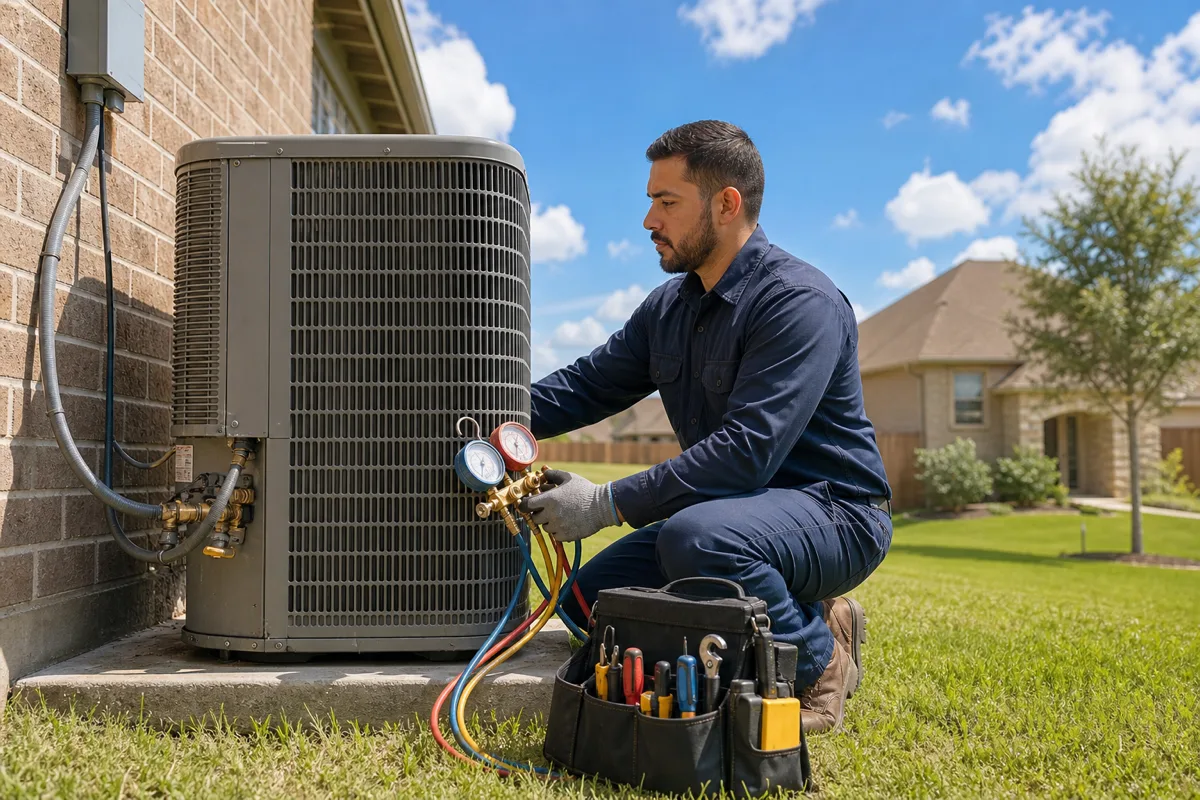
Experienced HVAC technicians working for a company often realize the same truth: the business is billing out $150–$200/hour for their labor, and they’re taking home $25–$40/hour. Going independent as an HVAC technician business in Texas is a significant step — it requires proper licensing, equipment investment, and business setup — but the financial upside is substantial for those who make the leap well.
This guide walks you through the requirements, startup costs, pricing structure, and client-building strategies for launching an independent HVAC technician business in Texas.
Texas HVAC Licensing Requirements
Texas requires licensure for HVAC work. Operating without a license exposes you to fines and liability. The relevant license structure:
Texas HVAC Contractor License (issued by TDLR): Required to run an HVAC contracting business in Texas. Prerequisites include passing the HVAC contractor exam and providing proof of experience. The Texas Department of Licensing and Regulation (TDLR) administers HVAC licensing — visit tdlr.texas.gov for current requirements.
EPA Section 608 Certification: Federal requirement for anyone who purchases or handles refrigerants. Types I (small appliances), II (high-pressure), III (low-pressure), and Universal are the categories. Most residential HVAC techs hold Universal certification. Required before purchasing refrigerants.
NATE Certification: Not required but highly valued. North American Technician Excellence certification demonstrates competency and is recognized by homeowners and commercial clients. NATE-certified techs command higher rates and win more jobs.
Business entity and insurance: Register your business with the Texas Secretary of State (LLC is recommended), obtain general liability insurance (minimum $1M per occurrence recommended) and workers’ compensation if you hire. Bond may be required for larger commercial work.
Startup Costs for an HVAC Technician Business
Vehicles and tools:
- Service van or truck: $30,000–$70,000 (new) or $15,000–$30,000 (reliable used)
- Core tool set (gauges, vacuum pump, recovery machine, drill set, hand tools): $3,000–$6,000
- Refrigerant (buy a cylinder of 410A and/or R-32 as appropriate for current equipment): $500–$1,500
Business setup:
- Business registration and licensing: $300–$800
- Insurance (first year): $2,000–$5,000
- Software (ServiceTitan, Jobber, or similar field service management): $100–$300/month
Marketing:
- Google Business Profile (free to set up)
- Website: $500–$2,000 for a professional basic site
- First-month paid search advertising: $500–$1,500
Total startup investment for a lean solo HVAC business: $30,000–$60,000 (including vehicle). Many techs start with a quality used van and used equipment to reduce initial outlay.
Pricing Your HVAC Services in Texas
Service call / diagnostic fee: $75–$125 for the first hour, which covers the trip and diagnostic time. This is charged regardless of whether the client proceeds with repair. Don’t waive diagnostic fees — they cover your drive time and are a signal of professionalism.
Repair labor: $100–$175/hour depending on your market (Houston, Dallas, San Antonio, and Austin skew higher than smaller Texas markets).
Equipment replacement (complete system): Gross profit on equipment sales is where HVAC businesses make the most money. Price equipment at a fair markup above your cost — typically 20–35% — and include installation labor as a separate line item.
Maintenance agreements: Annual HVAC maintenance agreements (typically two tune-ups per year — one spring, one fall) build recurring revenue. Price at $150–$250/year per system. Clients on maintenance agreements renew at high rates, prioritize their scheduling, and call you first for repairs.
Refrigerant: Charge refrigerant at cost-plus, not below. Refrigerant cost has increased substantially — pass cost increases to clients transparently.
Building Your First HVAC Clients in Texas
Neighborhood and referral network: Your first 20–30 clients will come from people who know you or know someone who knows you. Tell everyone you know about your business launch. Offer a referral reward for clients who send you new business.
Google Business Profile: Create and optimize your profile immediately. Respond to every review — positive and negative. Accumulate at least 20–30 reviews in your first year. This is the highest-converting client channel for HVAC in Texas.
Real estate agents and property managers: A single property manager with 50 units is worth far more than 50 individual homeowner clients. Build relationships with local property managers and offer preferential scheduling and pricing for their accounts.
Home warranty companies: Signing on as a home warranty preferred vendor generates calls at a lower margin, but it fills schedule gaps and can convert to direct relationships over time. Evaluate the economics carefully — some home warranty work is barely profitable.
Seasonal Demand in Texas HVAC
Texas HVAC demand is heavily seasonal:
- Peak season (May–September): Emergency calls from AC failures in 100°F+ heat. Premium pricing is appropriate; clients will pay to get cool quickly.
- Fall maintenance season (October–November): Heating tune-ups before winter.
- Slow season (December–February): Fill with equipment replacements, planned maintenance, and building commercial relationships.
Experienced Texas HVAC business owners save heavily during peak season to cover the slower winter months, and use the slow season to invest in marketing and training.
Running your own HVAC business? Join House Escort and keep 100% of your earnings while connecting with Texas homeowners who need your services.
More business guides:
Frequently Asked Questions
Do I need a license to do HVAC work in Texas independently?
Yes. Texas requires an HVAC contractor license from the Texas Department of Licensing and Regulation (TDLR) to operate an HVAC contracting business. You also need EPA Section 608 certification to purchase and handle refrigerants. Operating without these licenses exposes you to significant fines and liability.
How much do independent HVAC techs charge per hour in Texas?
Independent HVAC technicians in Texas typically charge $100–$175/hour for labor, plus parts and materials. Service call/diagnostic fees run $75–$125. Larger Texas metros (Austin, Dallas, Houston) support higher rates than smaller markets. Equipment replacement pricing includes both the equipment markup and installation labor.
How do I find clients for a new HVAC business in Texas?
Start with personal network referrals, then build your Google Business Profile and gather reviews from every client. Target property managers and real estate investors for recurring commercial accounts. Home warranty company panels generate volume but at lower margins. The combination of Google reviews and word-of-mouth is the most effective long-term channel for Texas HVAC businesses.
What is the most profitable HVAC service in Texas?
Equipment replacement (complete system installation) typically carries the highest gross profit per job — combining equipment markup with installation labor. Annual maintenance agreements are the highest-margin recurring revenue source. Emergency service calls during Texas summers can also be very profitable given peak-season pricing and urgency.
How much do HVAC maintenance agreements cost in Texas?
Annual HVAC maintenance agreements in Texas typically range from $150–$250 per system per year, including two tune-up visits (spring cooling and fall heating). Clients on maintenance agreements receive priority scheduling and often qualify for repair discounts. This recurring revenue model improves cash flow predictability significantly.