Starting an Appliance Repair Business in Texas
House Escort Team
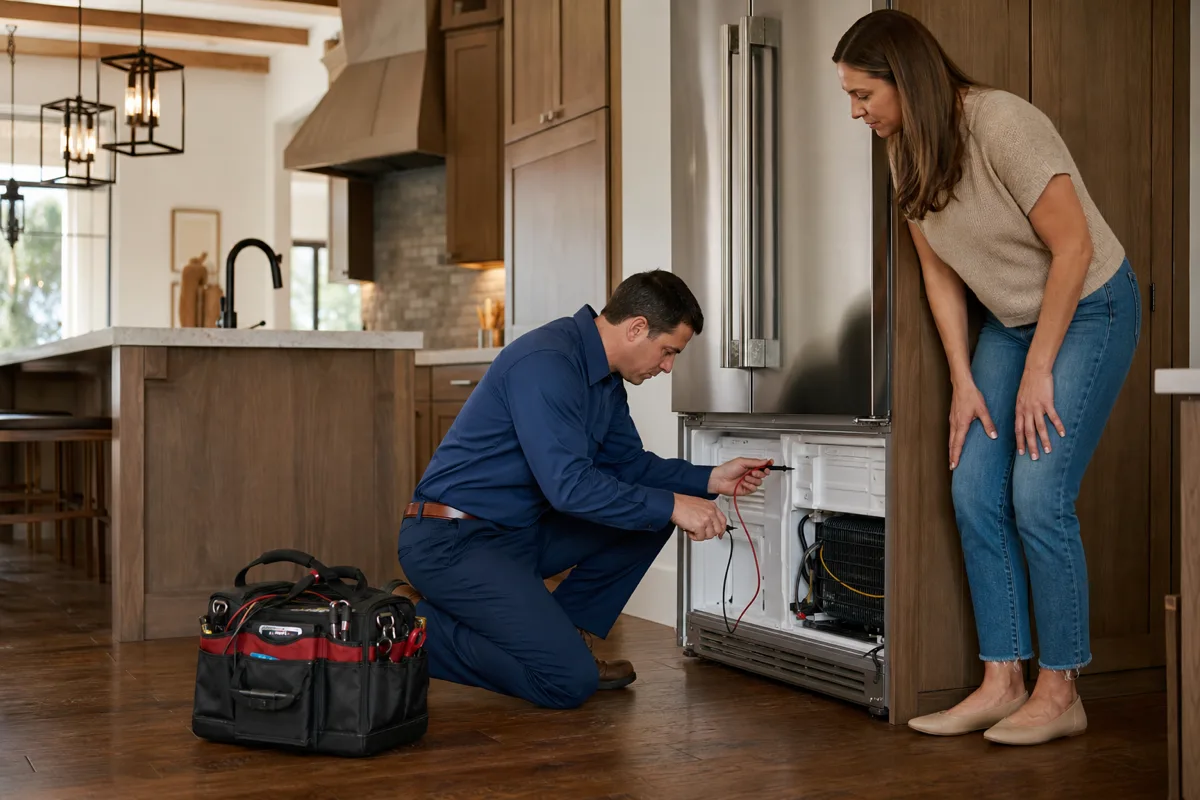
Appliance repair is one of the most accessible paths to owning a profitable home service business in Texas. Startup costs are low, no general contractor license is required, and demand is consistent — Texas households run dishwashers, refrigerators, washers, dryers, and ranges that break down on a regular schedule. A skilled appliance tech with a reliable van and strong Google presence can build a $100,000–$200,000+ revenue business as a solo operator.
This guide covers how to start, price, and grow an appliance repair business in Texas.
Why Appliance Repair Works in Texas
No licensing required (for most work): Texas does not require a general appliance repair license for working on electrical household appliances (refrigerators, washers, dryers, dishwashers, ovens). Gas appliance repair (ranges, dryers with gas connections) technically requires adherence to gas safety codes — consult the Texas Department of Licensing and Regulation for current requirements and confirm with your local city/county.
Low startup costs: A quality service van, a set of hand tools and diagnostic equipment, and a basic parts inventory can get you started for $5,000–$15,000, plus vehicle cost. This is dramatically lower than HVAC, plumbing, or electrical startups.
Recurring demand: Appliances fail regularly across every income level and every Texas household. The average home has 7–10 major appliances; many fail within 7–15 years of purchase.
Good margins: Parts markup of 30–50% plus diagnostic and labor fees create strong gross margins per job.
Growing demand: As new appliance prices have risen, more homeowners are choosing repair over replacement — expanding the addressable market for skilled techs.
Texas Appliance Repair Pricing
Service call / diagnostic fee: $65–$120 for the first visit including diagnosis. Charge this regardless of whether the client proceeds with repair — it covers your drive time and expertise. Never waive it.
Repair labor: $95–$175/hour depending on your Texas market. Most residential appliance repairs are priced as flat fees based on job type rather than tracked hourly.
Common repair flat fees in Texas:
- Refrigerator not cooling (compressor diagnosis, refrigerant if needed): $200–$450
- Washer not spinning (lid switch or motor replacement): $150–$280
- Dryer not heating (element or thermostat replacement): $120–$250
- Dishwasher not draining (pump or control board): $150–$300
- Oven not heating (element, igniter, or control board): $150–$300
Parts markup: Price parts at 30–50% above your cost. Clients expect parts to cost more than the retail price — you’re also providing the warranty on parts used. Avoid ordering parts at retail (Amazon, etc.) for repair jobs; source from appliance parts distributors at professional discount.
Training and Certification
Formal appliance repair training is available and worth pursuing:
EPA Section 608 Certification: Required if you service refrigerators, window ACs, or any appliance containing refrigerants. This is federal law. Obtain before servicing any refrigerant-containing equipment.
Manufacturer training: Major brands (Whirlpool, Samsung, LG, GE) offer technician training programs. Factory-certified techs can access manufacturer’s authorized service network, which generates client referrals and factory-warranty jobs.
Appliance Service Institute: Offers training materials and certification pathways for independent appliance repair technicians.
YouTube and industry resources: The appliance repair community has extensive free training resources online. iFixit, ApplianceBlog, and brand-specific forums cover diagnostic procedures for most major appliances.
Getting Your First Appliance Repair Clients in Texas
Google Business Profile: Essential. Homeowners search “appliance repair near me” when an appliance breaks — usually urgently. GBP with strong reviews is the primary client acquisition channel for most solo appliance techs. Get 20+ reviews as quickly as possible.
Home warranty company panels: Home warranty companies (AHS, First American, Select Home Warranty) frequently need local appliance repair vendors. Rates per job are lower than private clients, but volume is consistent and fills schedule gaps. Apply once you have proper insurance and documentation.
Property management companies: Property managers with 20–100 rental units have ongoing appliance repair needs. A single property management relationship can provide steady weekly repair calls. Offer preferred scheduling and response time in exchange for reliable volume.
Nextdoor and Facebook Groups: Hyper-local platforms generate appliance repair referrals in Texas. Join local neighborhood groups and respond helpfully when residents post about broken appliances.
Parts Management and Van Stocking
First-trip completion rate is critical — every return trip for parts costs you a full service call’s worth of drive time. Stock your van with the most commonly needed parts for the brands you service most:
- Dryer heating elements (universal and OEM for dominant brands in your market)
- Igniter assemblies for gas ranges
- Common door switches and lid switches
- Capacitors for HVAC-adjacent appliances
- Basic control boards for your most-serviced brands
Track your parts usage monthly and adjust your van stock to reflect actual repair patterns.
Ready to grow your appliance repair business? Join House Escort and keep 100% of your earnings while connecting with Texas homeowners who need reliable repair techs.
More business guides:
Frequently Asked Questions
Do I need a license to start an appliance repair business in Texas?
Texas does not require a general appliance repair license for working on electrical household appliances. However, you must hold an EPA Section 608 certification to service any appliance containing refrigerants (refrigerators, window ACs). Gas appliance work (ranges, dryers) requires adherence to gas safety codes — consult TDLR for current Texas requirements. Proper business registration and general liability insurance are essential regardless of licensing.
How much can I make as a solo appliance repair tech in Texas?
A productive solo appliance repair technician in a Texas metro area can complete 5–10 service calls per day and generate $400–$900+ in daily revenue. Annual gross revenue of $100,000–$200,000 is achievable for a well-run solo operation with strong Google reviews and consistent scheduling. Net profit after expenses (van, insurance, parts, software) typically runs 40–55%.
How do I get on a home warranty company panel in Texas?
Contact major home warranty companies directly (American Home Shield, First American Home Warranty, Select Home Warranty) through their vendor enrollment portals or phone. Requirements typically include: business registration, general liability insurance ($1M+), EPA 608 certification, and a brief application. Approval timelines vary by company and region. Rates are lower than private work but volume is consistent.
What appliances are most commonly repaired in Texas?
In Texas, the most frequent repair calls are for: refrigerators (not cooling, ice maker problems), washers and dryers (all brands), dishwashers (not cleaning, not draining), ranges and ovens (not heating, igniter issues), and garbage disposals. Samsung and LG refrigerators generate high repair volume in Texas due to ice maker design issues that are well-documented in the industry.
Should I specialize in specific brands or service all appliances?
As a new operator, accepting all major residential brands builds volume fastest. As you grow, specializing in high-end brands (Sub-Zero, Wolf, Miele, Fisher & Paykel) can command higher service fees and access a less price-sensitive client segment. Manufacturer factory authorization is a meaningful differentiator in the premium appliance segment.