How to File a Hail Damage Roof Claim in Texas
House Escort Team
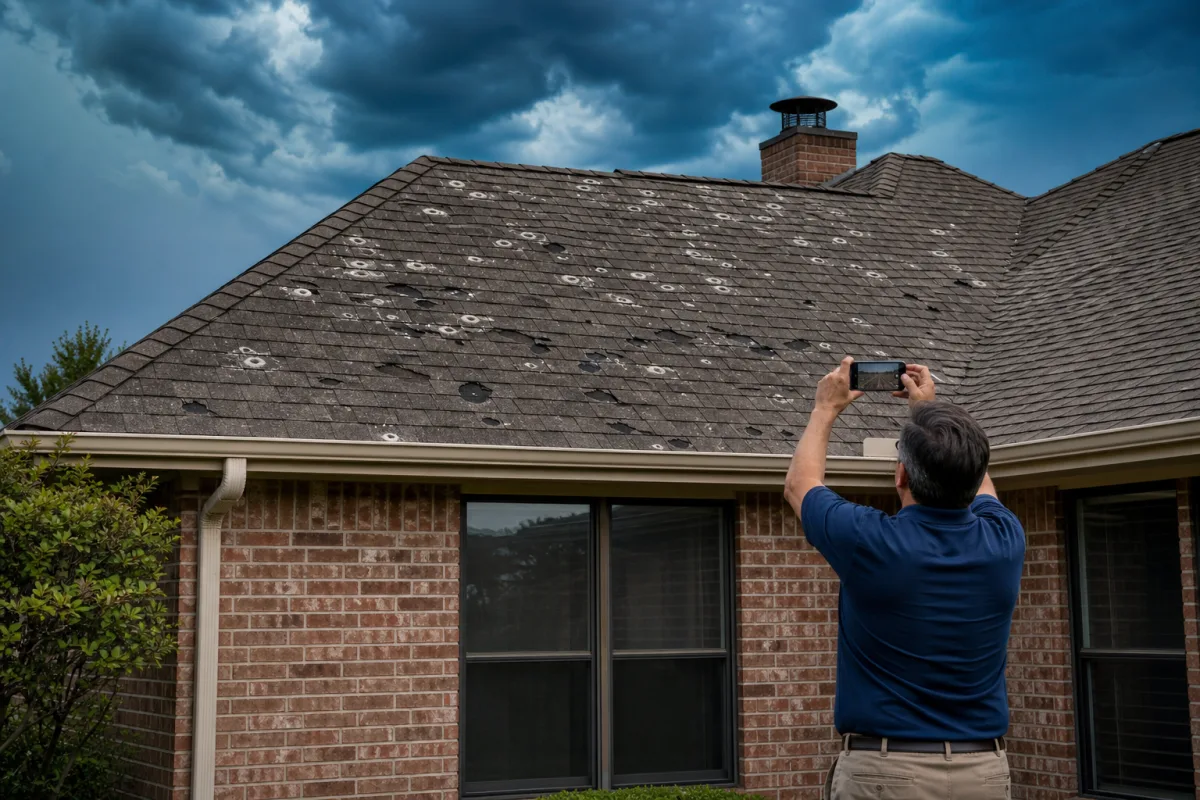
Texas leads the nation in hail damage claims, with major storms affecting Dallas-Fort Worth, Austin, San Antonio, and Houston metro areas multiple times each year. When hail strikes, knowing how to properly document damage and navigate the insurance claims process can make the difference between a fair settlement and a denied claim.
This guide covers the complete process for Texas homeowners filing hail damage roof claims, from initial documentation through working with adjusters and selecting the right roofing contractor.
Documenting Hail Damage Properly
The foundation of any successful claim is thorough documentation. Insurance companies require clear evidence that hail caused the damage during a specific storm event.
Essential documentation steps:
- Take dated photos of the roof from multiple angles, including close-ups of damaged shingles
- Note the date and approximate time of the hail event
- Record hail size if possible (golf ball size or larger is more likely to cause significant damage)
- Photograph any interior leaks or water stains that appear after the storm
- Keep records of weather reports confirming hail in your area
Many homeowners hire a public adjuster or work with a reputable roofing contractor who can provide professional documentation including drone photos and detailed damage reports.
Understanding ACV vs RCV Coverage
Texas homeowners policies typically offer two types of coverage for roof damage:
Actual Cash Value (ACV) pays the depreciated value of your roof at the time of loss. An older roof with significant wear may receive a much lower payout.
Replacement Cost Value (RCV) pays to replace your roof with new materials of similar quality without depreciation. Most newer policies include RCV for roof claims, but it is important to verify your specific policy language.
RCV policies usually require you to actually complete repairs within a certain timeframe to receive the full amount. Work with your insurance company to understand the exact terms of your coverage.
Working with Insurance Adjusters
After filing a claim, your insurance company will send an adjuster to inspect the damage. This inspection is a critical step in the process.
Tips for the adjuster visit:
- Be present during the inspection if possible
- Ask the adjuster to explain what they are looking for and note any areas they flag
- Request a copy of the adjuster’s report and photos
- Do not sign any documents agreeing to the damage assessment until you have reviewed everything
If you disagree with the adjuster’s findings, you have the right to request a second inspection or hire a public adjuster to advocate on your behalf.
Texas HB 2102 and Contractor Solicitation Rules
Texas House Bill 2102, passed to protect homeowners from aggressive storm chaser tactics, places strict limits on how roofing contractors can solicit business after a storm.
Key provisions include:
- Contractors cannot offer rebates or kickbacks to homeowners for filing claims
- Door-to-door solicitation is restricted in certain situations
- Contracts signed within 72 hours of a storm may have special cancellation rights
Homeowners should be wary of contractors who pressure them to sign immediately or make promises about what insurance will cover. Reputable roofers focus on accurate assessments rather than guarantees of claim approval.
Choosing a Roofer vs. Storm Chaser
After a major hail event, out-of-town “storm chaser” contractors often flood affected neighborhoods. While some are legitimate, many lack local accountability and may disappear after collecting insurance proceeds.
Red flags to watch for:
- Pressure to sign contracts before you have spoken with your insurance company
- Offers to waive your deductible
- Lack of a permanent local address or Texas contractor license
- Requests that you sign over insurance proceeds directly to them
Instead, choose a licensed Texas roofing contractor with a physical presence in your community, strong local reviews, and experience working with major insurance carriers in your area. Many homeowners start their search with resources like fence repair vs replace in Texas to understand contractor selection principles that apply across trades.
Typical Insurance Timeline
Most Texas hail claims follow a general timeline, though individual cases vary:
- Day 0: Storm event and initial damage documentation
- Day 1-7: File claim with insurance company
- Day 7-21: Adjuster inspection and initial report
- Day 21-45: Claim decision and settlement offer
- Day 45-90: Contractor selection, permitting, and repair work
If your claim is denied or the settlement seems insufficient, you have the right to appeal or involve a public adjuster. Texas law provides specific deadlines for filing disputes, so act promptly.
What Happens If Your Claim Is Denied
Claim denials happen for various reasons including insufficient documentation, policy exclusions, or disputes about whether damage was caused by hail versus wear and tear.
Options after a denial:
- Request a written explanation of the denial
- Provide additional documentation or request a second inspection
- Consult with a public adjuster or attorney familiar with Texas insurance law
- Consider an appraisal process if your policy includes one
Working with a reputable local roofer who understands insurance processes can help you avoid common pitfalls that lead to denials.
Protecting Your Home After Hail Damage
While waiting for your claim to process, take reasonable steps to prevent further damage. Temporary tarping or repairs may be covered under your policy. Keep all receipts for any emergency mitigation work.
Hail damage claims are stressful, but understanding the process and working with licensed, local professionals helps ensure you receive a fair outcome and quality repairs that protect your home for years to come.
Frequently Asked Questions
How do I know if my roof has hail damage? Look for granule loss on shingles, cracked or dented shingles, and damage to vents, skylights, or gutters. A professional roof inspection provides definitive answers.
Can I choose my own roofer or must I use the insurance company’s recommendation? You have the right to choose your own contractor. Insurance companies may suggest preferred vendors, but you are not obligated to use them.
What is the difference between a public adjuster and a roofing contractor? Public adjusters represent you in negotiating with the insurance company. Roofing contractors perform the actual repairs. Some situations benefit from both.
How long do I have to file a hail damage claim in Texas? Most policies require prompt notification, typically within 30-90 days, though some allow up to one year. Check your specific policy.
Will filing a claim increase my insurance premiums? Filing a claim can affect future rates depending on your insurer and claims history. Discuss potential impacts with your insurance agent before filing.