Fence Repair vs Replace: Texas Homeowner Guide
House Escort Team
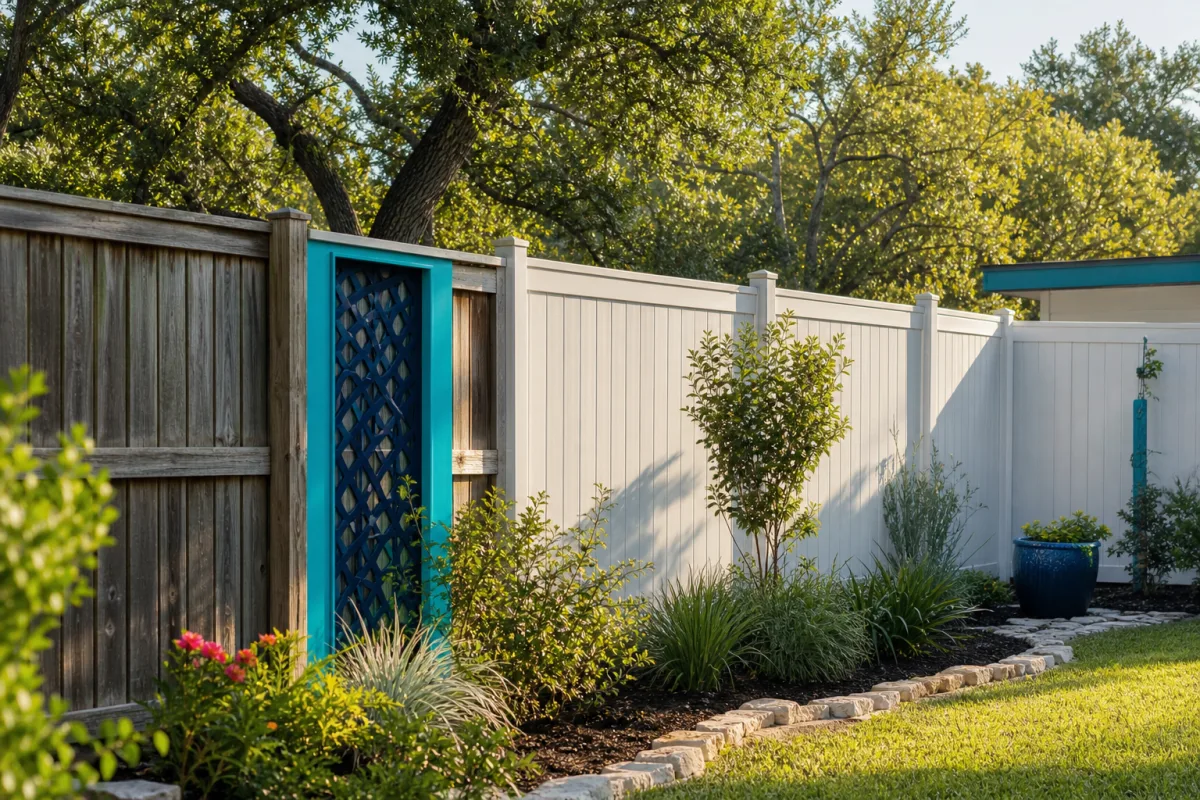
Texas homeowners face unique fence challenges from expansive clay soils, intense UV exposure, occasional hail storms, and strict HOA guidelines. Deciding whether to repair or replace a fence requires evaluating damage type, material lifespan, total cost, and long-term neighborhood standards.
A leaning fence in Houston may stem from soil movement rather than material failure. A storm-damaged section in Dallas might qualify for insurance coverage. Understanding these variables prevents wasting money on temporary fixes or over-investing in unnecessary full replacements.
Common Fence Damage Types in Texas
Rot and Wood Decay Ground contact posts absorb moisture in Texas humidity and clay soils. Cedar and pressure-treated pine typically last 10-15 years before rot sets in at the base. Early detection allows post replacement without touching the rest of the fence.
Storm and Wind Damage Texas experiences severe thunderstorms, straight-line winds, and occasional hurricanes along the coast. Panels can crack, posts can snap, or entire sections can blow over. Insurance often covers sudden storm damage but not gradual deterioration.
Leaning or Shifting Posts Expansive clay soils in Central and North Texas expand and contract with moisture changes, pushing posts out of plumb. This creates a cascading effect where adjacent panels loosen. Repair involves resetting posts with proper concrete footings or switching to steel posts.
UV and Weather Cracking Vinyl fences resist rot but can become brittle after 15-20 years of Texas sun exposure. Cracks usually appear first on the top rail or around screw holes. Steel fences handle UV well but may show surface rust where powder coating fails.
Cost Comparison: Repair vs Full Replacement
Repair costs for a typical 6-foot privacy fence section range from $200 to $800 per affected area according to regional contractor data. This includes one or two new posts, panel replacement, and hardware. Spot repairs make sense when less than 20% of the fence shows damage and the remaining structure remains sound.
Full replacement for a 150 linear foot fence typically falls between $1,500 and $4,500+ depending on material and gate requirements. Wood remains the most affordable upfront option. Vinyl costs 30-50% more but lasts twice as long. Steel and aluminum command premium pricing justified by 30+ year lifespans and minimal maintenance.
Homeowners should also consider the electrical rewiring costs that sometimes coincide with fence work when underground utilities run near property lines.
Material Lifespans in Texas Climate
- Wood (Cedar, Pine, Cypress): 10-15 years with proper sealing. Requires annual staining or painting in Texas sun. Prone to termite damage in Gulf Coast regions.
- Vinyl: 20-30 years. Resists rot, insects, and fading. More brittle in extreme cold snaps but handles Houston humidity exceptionally well.
- Steel/Aluminum: 30+ years. Powder-coated finishes resist corrosion. Higher initial cost offset by zero painting and superior wind resistance.
- Chain Link: 15-25 years. Galvanized or vinyl-coated options suit side yards and pools. Lower visual appeal but excellent security and airflow.
Texas HOA Fence Rules and Compliance
Many Texas neighborhoods enforce strict fence standards through architectural review committees. Common requirements include:
- Maximum height (typically 6-8 feet for rear and side yards)
- Approved materials and colors (often limited to wood, vinyl, or wrought iron)
- Setback distances from property lines
- Gate style and hardware specifications
- Prohibition of chain link in front or visible areas
Before any repair or replacement, review your HOA covenants and submit plans if required. Non-compliant fences can result in fines or forced removal. Professional fence contractors familiar with local HOAs streamline this process.
When Homeowners Insurance Covers Fence Work
Texas insurance policies generally cover sudden and accidental damage from wind, hail, fire, or vehicle impact. Gradual wear, rot, or poor maintenance falls under homeowner responsibility.
Document damage with photos immediately after a storm. Contact your insurer before hiring contractors. Some policies include “ordinance or law” coverage that pays to bring the fence up to current code during replacement.
Fence claims often carry deductibles of $500-$2,500. For minor damage under the deductible, paying out of pocket for targeted repairs usually costs less than filing a claim that raises future premiums.
Finding a Reputable Texas Fence Contractor
Verify licensing through TDLR or local municipalities. Ask for proof of liability insurance and workers’ compensation. Request recent references from Texas neighborhoods similar to yours.
Obtain three written estimates that itemize materials, labor, permits, and cleanup. Avoid contractors who pressure for large upfront deposits. Reputable pros typically require one-third down with balance due on completion.
House Escort helps homeowners connect with licensed fence specialists who understand Texas soil conditions, HOA processes, and material performance in local climates.
Timing Your Fence Project in Texas
Spring and fall offer the best weather windows. Summer heat makes outdoor work difficult for crews and can affect concrete curing times. Winter projects work well in South Texas but face delays in Dallas and Austin during freezes.
Schedule around irrigation systems and planned landscaping. Coordinate with pool resurfacing projects if your fence borders a pool deck to minimize yard disruption.
Frequently Asked Questions
Can I repair just the damaged sections and match the rest?
Yes, when the existing fence remains structurally sound. Skilled contractors can sister new posts next to old ones or replace individual panels while maintaining alignment. Full replacement becomes necessary when multiple sections show rot or when you want to upgrade materials.
Does replacing my fence increase home value?
A well-maintained, code-compliant fence adds curb appeal and security. In Texas suburbs, a new vinyl or steel fence often returns 50-70% of its cost at resale according to regional real estate data. Wood fences require ongoing maintenance that buyers factor into offers.
What permits does Texas require for fence work?
Most cities require permits for fences over a certain height or in front yards. HOAs add their own approval layer. Your contractor should pull permits and schedule inspections. Unpermitted work can create title issues during home sales.
How do I choose between wood and vinyl for Texas?
Wood offers lower upfront cost and classic appearance but demands regular maintenance. Vinyl provides set-it-and-forget-it durability with higher initial investment. Consider your long-term ownership plans and willingness to stain or paint every few years.
Will a new fence solve drainage or erosion problems?
Fences can incorporate grading and drainage planning. Discuss water flow with your contractor before installation. Proper footings and French drains around posts prevent future leaning caused by soil erosion common in Texas flash floods.
Word count: approximately 1,380