Signs You Need a New Roof: Full Guide
House Escort Team
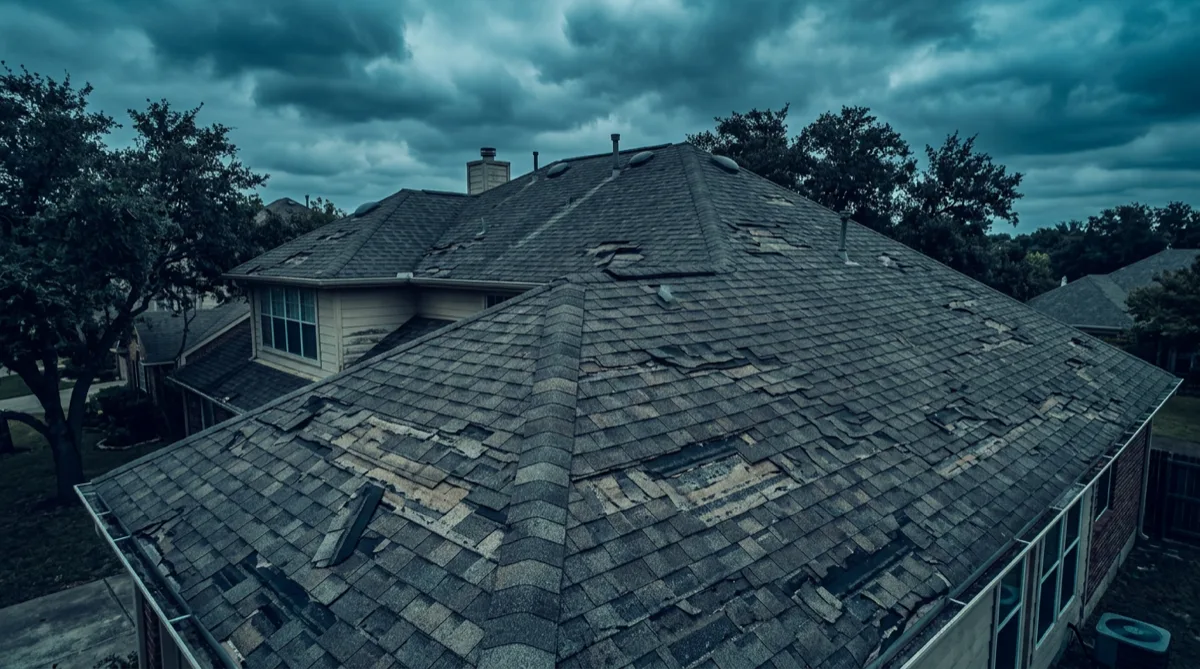
Signs You Need a New Roof: Full Guide
Your roof is the most expensive exterior system on your home — and one of the easiest to ignore until it’s too late. By the time water is dripping into your living room, you may already be facing rotted decking, damaged insulation, and mold remediation on top of the replacement cost.
Learning the signs you need a new roof lets you make the call on your terms instead of in the middle of a storm. Here are the nine most reliable warning signs, what they mean, and how to decide between a repair and a full replacement.
Your Roof Is 20+ Years Old
Age is the single most reliable indicator. According to the National Roofing Contractors Association (NRCA), most asphalt shingle roofs last 20–25 years. Metal roofs run 40–70 years. Wood shake, 20–30 years.
If your roof is approaching or past those thresholds, budget for replacement even if it looks okay from the street. The underlayment and decking often fail before the shingles show obvious surface damage.
Texas note: UV exposure, extreme summer heat, and hail storms accelerate shingle aging significantly. A 15-year-old roof in Houston can be in worse shape than a 20-year-old roof in a milder climate.
Shingles Are Curling, Cupping, or Missing Granules
Walk the perimeter of your home and look up. Healthy shingles lie flat. Trouble signs include:
- Cupping — edges curl upward, indicating age-related shrinkage or moisture imbalance
- Clawing — edges stay flat but the center buckles, often from improper installation or poor ventilation
- Bald spots — granules worn away, exposing the dark asphalt mat beneath
Granules shield the asphalt layer from UV degradation. Once they’re gone, the shingle’s service life is measured in months, not years. Check your gutters — heavy granule accumulation after rain is a clear warning sign, especially on a roof that’s 10+ years old.
Sagging Roof Deck
A roofline that visibly bows or sags is a structural emergency. This indicates:
- Rotted decking from long-term moisture intrusion
- Failed rafters beneath the sheathing
- Excessive weight from water-logged insulation or previous shingle layering
Don’t get just a roofer’s quote on a sagging roof — get a structural assessment. Framing repairs may be needed before re-roofing, which affects the total cost significantly.
Daylight Through the Attic Boards
On a sunny day, go into your attic and turn off the lights. If you see daylight streaming through the roof boards, you have active structural penetration. Also look for:
- Water stains on rafters or insulation (past leak paths)
- Dark streaks tracking moisture across the decking
- Wet or compressed insulation near the eaves
Any daylight in the attic means your next rain event is a water intrusion event. Get a professional inspection before then.
Interior Ceiling Stains
Brown rings or yellowish discoloration on ceilings — especially in upstairs rooms or below the attic — signal active or historical water intrusion. To assess whether the leak is ongoing:
- Mark the edges of the stain with a pencil
- Check the area after the next rain
- If the stain grows or you feel moisture, the leak is active
Water damage from roof leaks is among the most common homeowner insurance claims, but insurers frequently deny claims attributed to deferred maintenance rather than sudden damage events. Document the condition of your roof now, before filing.
Damaged or Missing Flashing
Flashing is the metal that seals transitions — around chimneys, skylights, vents, and roof valleys. Cracked, lifted, or missing flashing is one of the most common sources of leaks, and it’s often repairable without full replacement.
Check every penetration point. Look for:
- Rust streaks running down from chimney bases
- Lifted metal at vent boots or skylight frames
- Gaps where flashing pulls away from masonry
Flashing repairs handled early are a few hundred dollars. Ignored, they become the entry point for years of moisture damage.
Moss or Algae Growth
Algae (the dark black streaks common on Texas roofs) is primarily cosmetic but signals that shingles are retaining moisture. Moss is structural — it physically grows beneath shingles, lifting them and allowing water to enter.
Treatment with zinc strips or appropriate cleaning products can extend life on a younger roof. On a roof 15+ years old with significant moss coverage, treatment is usually a short-term patch before the inevitable replacement.
Rising Energy Bills
A failing roof — particularly one with poor ventilation or compromised decking — forces your HVAC system to work harder. Texas attics can exceed 160°F in summer. If your energy bills have crept up over two or three years without a clear explanation, roof ventilation failure or damaged insulation may be the cause.
Request an energy audit alongside your roofing inspection. The findings often reinforce each other.
Multiple Leak Repairs That Keep Coming Back
If you’ve had the same section repaired two or three times and water still finds a way in, the underlying decking or underlayment is compromised. Repeated patching on a failing roof is money thrown at a diminishing return. Once you’ve spent 30% of replacement cost on repairs, a full replacement is typically the smarter financial decision.
Repair vs. Replace: Decision Framework
| Situation | Repair | Replace |
|---|---|---|
| Isolated damage, roof under 15 years | ✓ | |
| Widespread shingle failure, 15–20 years old | ✓ | |
| Active leak, healthy shingles around it | ✓ | |
| Sagging deck or daylight visible | ✓ | |
| Storm damage on newer roof (insured) | ✓ | |
| Third repair on same leak location | ✓ | |
| Roof 20+ years, multiple issues | ✓ |
General threshold: if more than 30% of the roof surface needs work, full replacement typically beats repair on total cost.
Finding the Right Roofer
Spotting the warning signs is step one — finding a contractor you can trust is equally important. Read our guides on how to hire a reliable roofer and questions to ask a contractor before hiring before you invite bids.
For cost ranges in your area, see our roof replacement cost guide.
Find a vetted local roofer for free at houseescort.com — homeowners pay nothing to connect with qualified pros.
Frequently Asked Questions
How do I know if I need a new roof or just a repair?
If damage is isolated to one area and your roof is under 15 years old, targeted repair is usually sufficient. If you have widespread shingle failure, recurring leaks, sagging deck, or a roof over 20 years old, replacement is typically more cost-effective than continued patching.
How long does a roof replacement take in Texas?
Most residential replacements take 1–3 days depending on size, pitch, and material. Texas contractors often start early to avoid afternoon heat. Weather delays are common during spring storm season.
What causes black streaks on my roof?
Black streaks are caused by Gloeocapsa magma, a type of algae that feeds on limestone filler in asphalt shingles. It’s especially common in humid Gulf Coast climates. While primarily cosmetic, it indicates the shingles are retaining moisture — which shortens their lifespan over time.
Should I file an insurance claim for roof damage?
If damage resulted from a sudden event — hail, wind, or a fallen tree — document it thoroughly and file promptly. Normal wear and age-related deterioration is generally excluded from homeowner policies. Review your policy for actual cash value vs. replacement cost coverage before calling your adjuster.
What are storm chasers and how do I avoid them?
Storm chasers are out-of-state contractors who flood a market after major weather events, often offering fast work at attractive prices before disappearing when warranty issues arise. Always hire locally licensed contractors with a physical address in your market, verifiable reviews, and a written warranty on both materials and labor.