Roof Replacement Cost Guide for 2026
House Escort Team
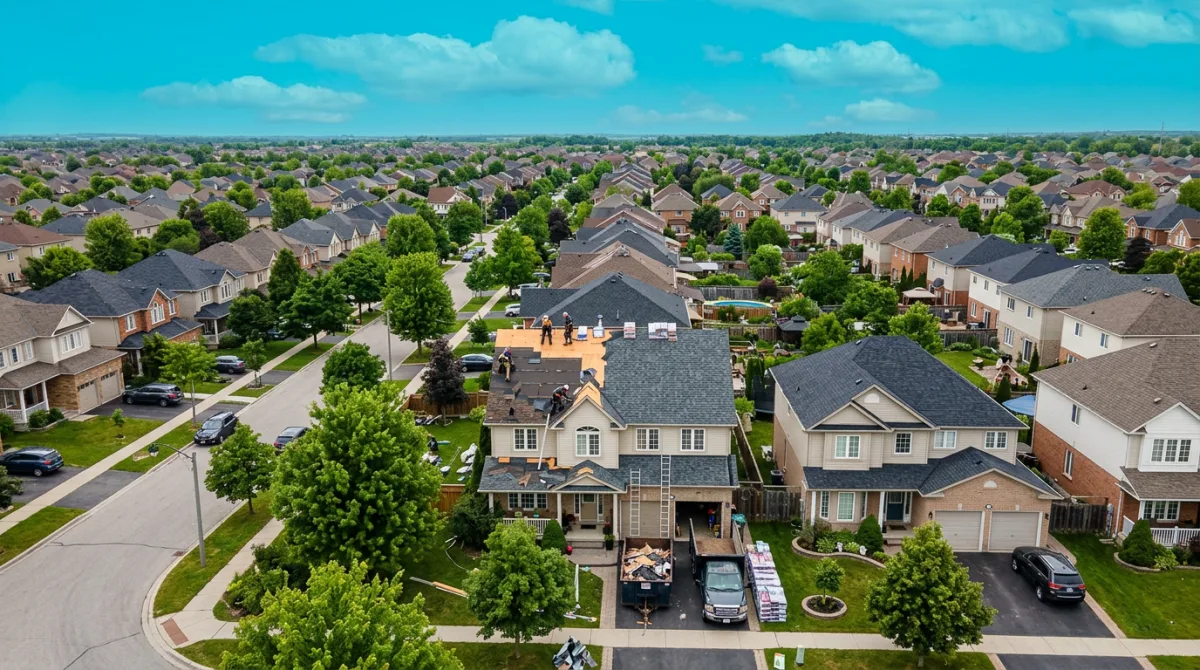
Roof Replacement Cost Guide for 2026
Replacing your roof is one of the biggest single expenses a homeowner faces. It’s also one of the most critical — a failing roof leads to water damage, mold, structural deterioration, and thousands of dollars in secondary repairs.
Understanding roof replacement cost in 2026 helps you budget accurately, compare contractor quotes with confidence, and avoid overpaying. This guide covers national averages, costs by material, regional pricing differences, and practical ways to keep your roofing project on budget.
National Average Roof Replacement Costs in 2026
The average cost to replace a roof on a standard single-family home (1,500–2,500 square feet of roof area) falls between $8,500 and $22,000 in 2026. The median sits around $13,000–$15,000 for asphalt shingles on a straightforward roof.
That’s a wide range because roof replacement costs depend on several variables:
- Roof size (measured in “squares” — 1 square = 100 sq ft)
- Material (asphalt, metal, tile, slate, wood)
- Roof pitch and complexity (steep roofs and multi-faceted designs cost more)
- Tear-off vs. overlay (removing the old roof adds $1,000–$3,000)
- Decking repairs (rotted or damaged plywood underneath adds $50–$100 per sheet)
- Location (labor rates and material costs vary significantly by region)
Cost by Roofing Material
Material choice is the biggest driver of your total roof replacement cost. Here’s what each option costs per square foot installed in 2026:
Asphalt Shingles (3-Tab and Architectural)
| Type | Cost Per Sq Ft | Cost for 2,000 Sq Ft Roof |
|---|---|---|
| 3-Tab shingles | $3.50–$5.50 | $7,000–$11,000 |
| Architectural shingles | $4.50–$7.00 | $9,000–$14,000 |
| Premium/designer shingles | $6.00–$9.00 | $12,000–$18,000 |
Asphalt shingles remain the most popular choice in America, covering roughly 75% of residential roofs. Architectural shingles offer better wind resistance, a more dimensional look, and longer warranties (30–50 years vs. 20–25 years for 3-tab) — making them the sweet spot for most homeowners.
Metal Roofing
| Type | Cost Per Sq Ft | Cost for 2,000 Sq Ft Roof |
|---|---|---|
| Standing seam steel | $7.00–$12.00 | $14,000–$24,000 |
| Corrugated metal | $5.00–$8.00 | $10,000–$16,000 |
| Metal shingles | $8.00–$14.00 | $16,000–$28,000 |
| Copper | $15.00–$25.00 | $30,000–$50,000 |
Metal roofing costs more upfront but lasts 40–70 years with minimal maintenance. It’s especially popular in Texas and the Southeast due to superior wind and hail resistance. The long-term cost of ownership is often lower than asphalt when you factor in lifespan and reduced maintenance.
Tile Roofing
| Type | Cost Per Sq Ft | Cost for 2,000 Sq Ft Roof |
|---|---|---|
| Concrete tile | $7.00–$12.00 | $14,000–$24,000 |
| Clay tile | $10.00–$18.00 | $20,000–$36,000 |
| Synthetic tile | $8.00–$14.00 | $16,000–$28,000 |
Tile roofing is common in the Southwest and Florida, with lifespans of 50–100+ years. The weight of tile requires adequate structural support — an additional cost if your home’s framing needs reinforcement.
Wood Shakes
| Type | Cost Per Sq Ft | Cost for 2,000 Sq Ft Roof |
|---|---|---|
| Cedar shakes | $6.00–$11.00 | $12,000–$22,000 |
| Cedar shingles | $5.00–$9.00 | $10,000–$18,000 |
Wood shakes offer natural beauty but require more maintenance and may not be permitted in areas with wildfire risk. Lifespan: 25–40 years with proper care.
Regional Cost Differences
Where you live affects your roof replacement cost as much as material choice. Here’s how the major regions compare for a standard architectural shingle roof:
| Region | Average Cost (2,000 Sq Ft Roof) | Key Factors |
|---|---|---|
| Northeast | $12,000–$18,000 | Higher labor costs, shorter installation seasons |
| Southeast | $9,000–$14,000 | Competitive labor market, high demand post-hurricane seasons |
| Midwest | $9,000–$15,000 | Moderate costs, seasonal pricing fluctuations |
| Southwest | $10,000–$16,000 | Higher material costs for heat-rated products |
| Texas | $9,500–$15,000 | High hail frequency drives demand, competitive market |
| Pacific Northwest | $11,000–$16,000 | Higher labor costs, rain-season scheduling challenges |
| Alaska | $14,000–$22,000 | Short installation season, higher material/transport costs |
Texas homeowners should budget extra for impact-resistant shingles — many insurance companies offer premium discounts for Class 4 rated shingles, which can offset the upfront cost over time.
Signs Your Roof Needs Replacement
Not sure if you need a full replacement or just repairs? Here are the indicators that a replacement is the right move:
- Age. Asphalt shingle roofs over 20 years old are approaching end of life. If you’re seeing issues and the roof is 15+ years old, replacement often makes more financial sense than repeated repairs.
- Widespread shingle damage. Curling, cracking, buckling, or missing shingles across large sections — not just a few isolated spots.
- Granule loss. Check your gutters. Heavy granule accumulation means your shingles are deteriorating and losing their weatherproofing.
- Sagging. Any visible sagging in the roofline indicates structural issues that require immediate attention.
- Daylight through the roof deck. If you can see light from your attic through the roof boards, moisture is getting through too.
- Recurring leaks. One leak might be a simple repair. Multiple leaks or recurring leaks in patched areas suggest systemic failure.
For a comprehensive home maintenance approach to catching roof issues early, check out our guide on home maintenance tasks that prevent costly repairs.
How to Save on Roof Replacement
A new roof is a major investment, but there are legitimate ways to reduce costs without sacrificing quality:
Get multiple quotes. Three to four estimates from licensed roofers give you a clear picture of the market rate. Wide variation in quotes often indicates different scopes of work — ask each contractor to clarify exactly what’s included.
Time your project strategically. Late fall and winter are the slowest seasons for roofers in most regions. Off-peak scheduling can save 5–15% on labor costs. Avoid scheduling immediately after major storm events when demand (and prices) spike.
Choose the right material for your climate and budget. The Department of Energy’s roofing guidance can help you evaluate energy-efficient options. Don’t over-specify. In many regions, high-quality architectural shingles deliver excellent performance at a fraction of the cost of premium materials. Reserve metal or tile for situations where the longer lifespan justifies the premium.
Check insurance coverage. If your roof is damaged by a covered event (hail, wind, fallen tree), your homeowner’s insurance may cover part or all of the replacement minus your deductible. Document damage thoroughly and file claims promptly.
Ask about manufacturer rebates. Major shingle manufacturers occasionally run promotions through certified installers. Your roofer may have access to rebates or upgraded warranty programs.
Don’t skip the tear-off. Overlaying new shingles on old ones saves $1,000–$3,000 upfront but can void warranties, hide damage, and shorten the new roof’s lifespan. In most cases, a full tear-off is worth the investment.
Hiring the Right Roofer
Your roofer’s quality matters as much as the materials they install. A poorly installed premium roof will fail faster than a well-installed standard roof.
What to look for in a roofer:
- Licensed and insured (general liability + workers’ comp)
- Established local presence — not a storm-chasing crew that disappears after the job
- Manufacturer certifications (GAF Master Elite, CertainTeed SELECT, Owens Corning Preferred)
- Detailed written estimate with material specifications
- Clear warranty terms — both manufacturer and workmanship
- Strong online reviews with recent projects
For a thorough vetting process, our guide on how to hire a reliable roofer walks through every step from initial contact to contract signing.
What to Expect During Roof Replacement
Understanding the process helps you prepare your home and set realistic expectations:
- Pre-installation inspection. Your roofer inspects the existing roof and identifies the full scope of work.
- Material delivery. Materials arrive 1–2 days before installation. Expect a pallet of shingles, rolls of underlayment, and flashing in your driveway.
- Tear-off. Crews remove existing shingles and inspect the decking for damage. This is the noisiest day — plan to be out of the house if possible.
- Decking repairs. Damaged plywood or OSB is replaced. Budget $50–$100 per sheet.
- Underlayment and flashing. Waterproof barriers are installed over the decking, with metal flashing at valleys, vents, and penetrations.
- Shingle installation. Shingles are laid from the eaves up with proper overlap and nailing patterns.
- Cleanup and inspection. Crews sweep the area for nails with a magnetic roller and perform a final inspection.
A standard residential roof replacement takes 1–3 days, depending on size and complexity.
Frequently Asked Questions
How long does a roof replacement take?
Most residential roof replacements take 1–3 days for asphalt shingles. Metal roofing takes 3–5 days, and tile can take a week or more. Weather delays, complex roof designs, and extensive decking repairs can extend the timeline.
Can I stay in my home during roof replacement?
Yes, but expect significant noise during tear-off and installation. The work primarily affects the exterior, so your home remains habitable. Plan for pets and young children to be elsewhere during the noisiest phases.
How often should a roof be replaced?
Asphalt shingle roofs last 20–30 years. Metal roofs last 40–70 years. Tile and slate can last 50–100+ years. Actual lifespan depends on material quality, installation, climate exposure, and maintenance habits.
Does a new roof increase home value?
A new roof typically recoups 60–70% of its cost in added home value. More importantly, it eliminates a major negotiation point during a home sale and gives buyers confidence in the property’s condition.
Should I repair or replace my aging roof?
If repairs would cost more than 30% of a full replacement, or if your roof is within 5 years of its expected lifespan, replacement is usually the better investment. Repeated repairs on an old roof often cost more in the long run than a single replacement.
Find a trusted roofer near you → houseescort.com