Painter Crew Management: Run a Productive Paint Team
House Escort Team
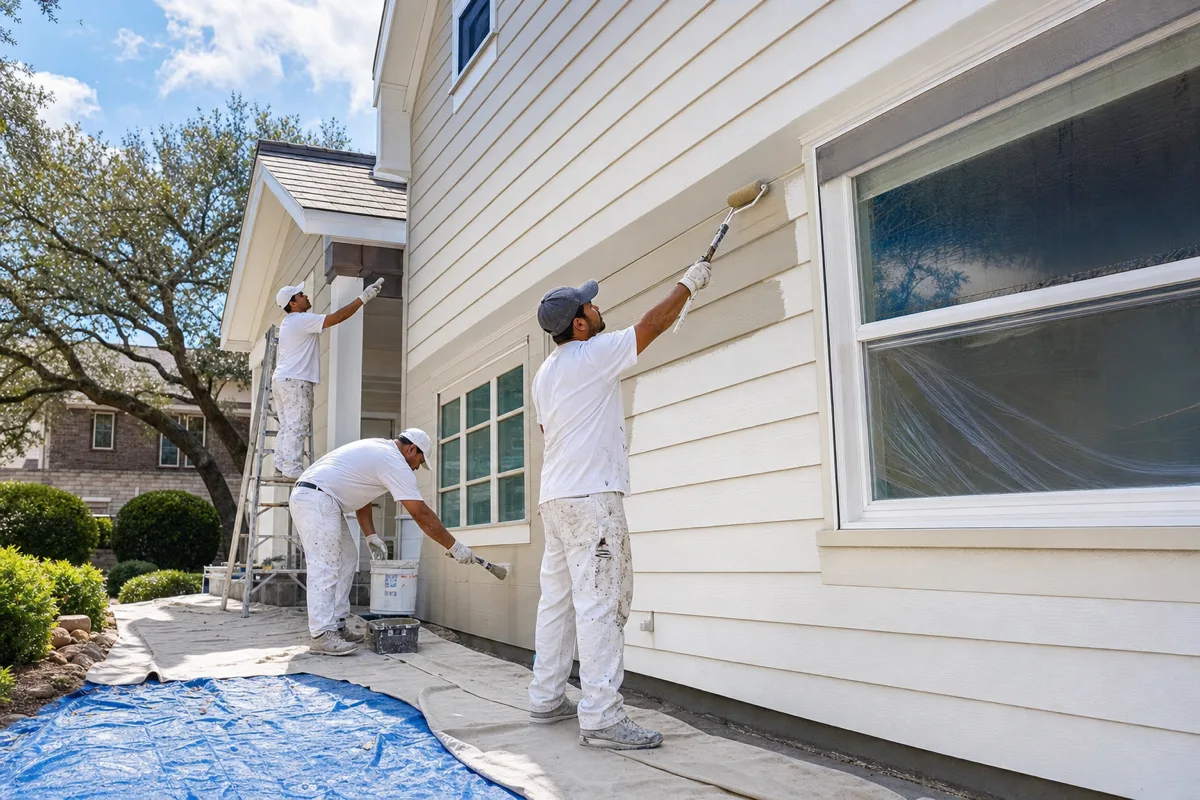
Running a painting crew is fundamentally different from working as a solo painter. As a solo operator, quality and speed are simple — you control both. With a crew, you’re managing a team of people with varying skill levels, attitudes, and habits, while simultaneously estimating jobs, managing client expectations, and handling the business side. Done well, a well-run painting crew is one of the most profitable service businesses in Texas. Done poorly, it’s a constant source of rework, callbacks, and employee turnover.
This guide covers how to build and manage a painting crew in Texas — from hiring and pay structures to quality control and productivity systems.
Crew Composition for Texas Painting
Solo painter: Handles smaller jobs (single rooms, accent walls, cabinet painting) efficiently. Maximum revenue is limited to roughly $800–$1,500/day for typical residential work.
2-person crew (lead + helper): The minimum viable unit for most exterior residential painting. One person cutting in; one rolling. Can complete a standard single-story exterior in one to two days. Revenue range: $1,500–$3,000/day.
3–4 person crew: The sweet spot for residential interior and exterior painting in Texas. Two to three painters working with one prep/cleanup person can complete a standard interior in one to two days. Revenue range: $2,500–$5,000/day depending on scope.
Specialty crews: Cabinet painting (slower, more detail-intensive) may require smaller crews of 1–2 highly skilled painters. Staining and decorative finish work requires specialist skill.
Hiring Painters for Your Texas Crew
Finding reliable painters in Texas is one of the most consistent challenges for painting contractors. Strategies that work:
Hire attitude, train skill: A worker who shows up on time, doesn’t complain, and cares about doing good work can be trained to paint. Someone with years of experience but a bad attitude is a liability.
Start workers as helpers: New hires begin on prep, masking, and cleanup — you can observe their work ethic before giving them a roller or brush.
Referrals from existing crew: Your best workers know other reliable people. Offer referral bonuses for hires who stay 90+ days.
Job postings: Indeed, Facebook Jobs, and LinkedIn (for leads and project managers) generate applicants. Be specific — “residential painting crew” attracts more qualified applicants than generic “painter.”
Language and communication: In Texas’s painting labor market, bilingual crews (English/Spanish) are common and effective. If you don’t speak Spanish, consider hiring a bilingual lead or foreman who can bridge communication with crew members.
Pay Structures for Texas Painting Crews
Hourly ($18–$30/hour depending on skill level):
- Entry helpers: $18–$22/hour
- Production painters: $22–$28/hour
- Foreman/lead: $28–$35/hour
Hourly pay is simpler and required for W-2 employees. It protects workers on jobs that run long.
Piece rate (per room, per square foot): Common for experienced crews on repetitive work (apartment complexes, rental turns). Incentivizes speed but requires quality oversight. Piece rates vary significantly by market and scope.
Performance bonuses: Many Texas painting operations pay a base hourly rate with a weekly or job completion bonus when the job is completed on time and passes quality inspection. This aligns crew incentives with business outcomes.
Quality Control Systems That Prevent Callbacks
Callbacks — return trips to fix missed spots, drips, or masking errors — are the most expensive thing that can happen in a painting business. They kill your margin and your reputation. Prevention requires systems:
Pre-job prep checklist: Every job starts with documented prep — surfaces sanded, holes patched, caulk applied, masking complete before paint is applied. Rushed prep creates poor results regardless of paint quality.
Mid-job quality check: The crew foreman does a quality walk before moving from walls to trim or before cleanup begins. Catching issues during the job is far less expensive than coming back after the client has moved furniture back.
Client walk-through at completion: Walk every completed job with the client before leaving. Document client sign-off. This creates a natural moment to address concerns immediately rather than receiving an angry call 24 hours later.
Punch list: For larger jobs, create a punch list of open items and communicate expected completion timeline. Clients respond much better to proactive communication than to following up with you on unfinished items.
Scheduling Efficiency for Texas Painting Crews
Texas’s weather creates scheduling complexity: exterior jobs can be rained out with little warning, particularly during Houston and Dallas-area spring storm season. Strategies:
- Keep an interior backlog of jobs to pivot to when weather cancels exterior work
- Check weather 48 hours ahead and communicate proactively with clients about potential rescheduling
- Avoid booking exterior-only days in May–June and September–October without a weather contingency plan
- Build 20% scheduling buffer — exterior painting in Texas realistically loses 1 in 5 days to weather or temperature extremes
Grow your Texas painting business and keep 100% of your earnings. Join House Escort to connect with Texas homeowners looking for professional painters.
More contractor resources:
Frequently Asked Questions
How many painters do I need for a typical Texas residential job?
A 2–4 person crew is the standard for most Texas residential painting jobs. Two painters handle a standard single-story exterior or a 3-bedroom interior; three to four painters with good coordination complete these jobs in one day. Larger homes, multi-story exteriors, or jobs with significant prep work benefit from four or more crew members.
What should I pay painting crew members in Texas?
Entry-level helpers in Texas earn $18–$22/hour. Production painters with 1–3 years experience earn $22–$28/hour. Experienced lead painters and foremen earn $28–$35/hour. Performance bonuses for on-time, quality completion are common in productive Texas painting operations.
How do I prevent callbacks in my Texas painting business?
The most effective callback prevention is a rigorous prep checklist, a mid-job quality walk by the foreman before completing final coats, and a client walk-through at project completion. Most callbacks result from rushed prep (patching, sanding, caulking) rather than poor application. Slowing down prep saves time and money in the long run.
How do I handle weather cancellations for exterior painting in Texas?
Build an interior job backlog to pivot to when weather cancels exterior work. Check weather 48 hours ahead and communicate proactively with clients. Build 15–20% scheduling buffer into your exterior calendar, particularly during spring storm season (May–June in Houston and Dallas). Build weather clause language into your contracts so clients understand outdoor work is weather-dependent.
Should I pay painting crews hourly or by piece rate?
Hourly pay is safer legally (required for W-2 employees) and provides income stability that improves retention. Piece rate incentivizes speed but can compromise quality without strong oversight. A hybrid approach — base hourly plus completion bonus when job quality standards are met — aligns crew incentives with business outcomes without the risks of pure piece-rate compensation.