Mold Remediation Cost in Texas: 2026 Guide
House Escort Team
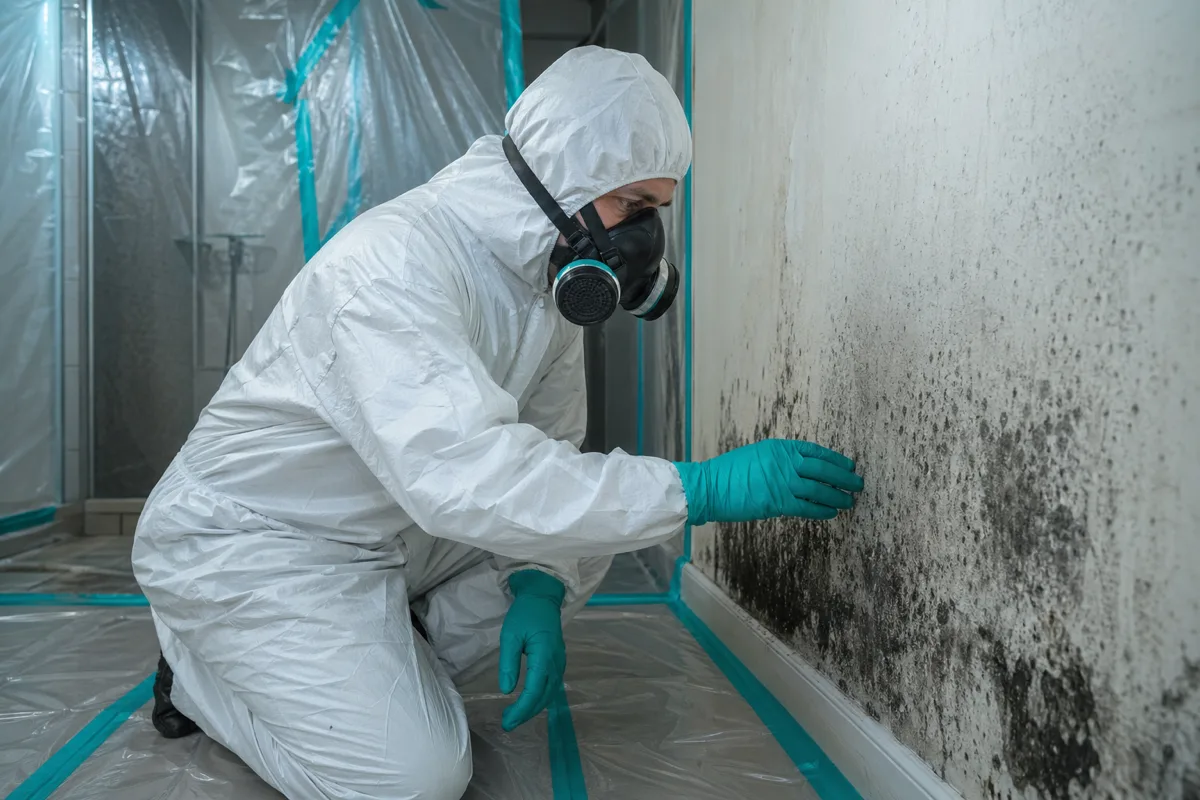
Texas’s humidity — particularly in Houston, the Gulf Coast, and East Texas — makes it one of the highest-risk regions in the country for household mold growth. A slow leak behind a bathroom wall, an AC condensation pan that overflows, or water intrusion after a storm can all create the conditions mold needs to establish and spread.
Mold remediation costs vary significantly based on how far the problem has spread. Understanding the pricing before you hire helps you ask the right questions and avoid both underreacting and overpaying.
Mold Remediation Cost by Extent
| Problem Scope | Typical Cost |
|---|---|
| Small area (<10 sq ft), single surface | $500–$1,500 |
| Moderate (10–50 sq ft), single room | $1,500–$4,000 |
| Significant (50–100 sq ft) or multiple rooms | $4,000–$8,000 |
| Extensive (>100 sq ft) or structural involvement | $8,000–$20,000+ |
| HVAC system mold (duct cleaning + treatment) | $2,000–$6,000 |
| Crawl space or attic mold | $2,500–$10,000 |
| Whole-home severe contamination | $15,000–$30,000+ |
Most homeowners dealing with a single bathroom or laundry area pay $1,500–$4,000. The cases that push into the $10,000+ range typically involve structural damage, large areas of contaminated drywall/framing, or mold that spread through HVAC ducts.
Mold Testing Costs
Before remediation, many homeowners get a mold inspection and/or air quality test:
| Service | Typical Cost |
|---|---|
| Visual inspection (licensed inspector) | $200–$500 |
| Air quality test (spore count sampling) | $300–$700 |
| Surface sampling (swab/tape test) | $30–$75 per sample |
| Full inspection + testing + lab analysis | $400–$900 |
Should you test first? If visible mold is present, most remediators say testing before remediation is optional — you know there’s a problem. Post-remediation clearance testing ($200–$400) verifies the work was effective and provides documentation for insurance or sale purposes. Testing is most valuable when: the source isn’t obvious, you’re investigating health symptoms, or you’re buying a home.
Texas-Specific Mold Factors
Houston and the Gulf Coast
Houston’s average relative humidity of 75-80% makes it one of the most mold-conducive climates in the U.S. Key risk factors in Houston homes:
- AC systems running continuously: Condensation drain pans can overflow or clog, creating moisture in air handlers and ducts
- Slab foundations: Ground moisture can migrate into first-floor spaces
- Hurricane and storm flooding: Even minor water intrusion from storms can start mold growth within 24-72 hours
Houston remediators tend to price at the higher end of Texas ranges due to demand and the complexity of humidity-related cases.
Texas Freeze Events
The February 2021 freeze caused widespread burst pipes, and the water damage from those events — some of which wasn’t fully dried out before homes were reoccupied — has resulted in ongoing mold claims in subsequent years. If your home experienced freeze damage, any persistent musty odors or discoloration on walls/ceilings warrants an inspection.
What Mold Remediation Includes
Professional mold remediation typically includes:
- Containment — plastic sheeting and negative air pressure to prevent mold spores from spreading during work
- Personal protective equipment (PPE) — respirators, Tyvek suits, gloves
- Removal of contaminated materials — drywall, insulation, and flooring that can’t be cleaned are removed
- HEPA vacuuming — surfaces are vacuumed with HEPA-filtered equipment before cleaning
- Antifungal treatment — surfaces are treated with EPA-registered antifungal agents
- Disposal — contaminated materials are bagged and disposed of per regulations
- Post-remediation verification (sometimes included, sometimes extra) — visual inspection or air testing to confirm clearance
What it doesn’t include: Structural repairs (drywall reinstallation, painting), plumbing repair of the source leak, or HVAC duct replacement. These are often done by separate contractors after remediation is complete.
Texas Mold Contractor Licensing
Texas has specific mold contractor licensing requirements administered by the Texas Department of Licensing and Regulation (TDLR). You should verify that any mold remediator you hire holds a current:
- Mold Assessment Consultant (MAC) license (for the inspector/assessor)
- Mold Remediation Contractor (MRC) license (for the remediation company)
Verify licenses at tdlr.texas.gov. Unlicensed mold work in Texas is illegal and can create issues with insurance claims and property disclosure.
Does Insurance Cover Mold Remediation?
Texas homeowner’s insurance coverage for mold is complex:
- Sudden water damage (burst pipe, appliance malfunction) → usually covered, including resulting mold if the claim is filed promptly
- Gradual leak (slow drip over months) → typically not covered — gradual damage is considered maintenance failure
- Flooding → not covered by standard homeowner’s insurance; requires separate flood insurance (NFIP or private)
- Texas mold endorsements → many Texas insurers now cap mold coverage at $5,000–$10,000, even when the claim is valid
Always call your insurance company before beginning remediation if there’s any possibility of coverage. Ask specifically: “Is mold remediation resulting from this water event covered under my policy, and is there a cap?”
How to Choose a Mold Remediator
- Verify TDLR licensing for both the assessor and remediator
- Get itemized quotes — scope of work, areas covered, what’s included and excluded
- Ask about post-remediation testing — does it come with the job?
- Check Google reviews specifically for mold jobs
- Avoid the “free inspection” that quotes removal on the same visit — assessment and remediation should be independent
House Escort connects you with licensed mold remediation contractors in Texas. Find a vetted pro through houseescort.com.
See our guide on water damage restoration cost in Texas for related costs on water damage events that often precede mold growth.
Frequently Asked Questions
How much does mold remediation cost in Houston?
In Houston, mold remediation typically costs $2,000–$6,000 for a single-room or bathroom situation, and $6,000–$15,000+ for larger affected areas. Houston pricing runs 15-25% above the Texas average due to high demand and the complexity of humidity-related mold cases. Post-Hurricane Harvey, mold remediation capacity and pricing increased significantly and has remained elevated.
How do I know if I need professional mold remediation vs. DIY cleaning?
The EPA guideline is that mold covering less than 10 square feet can be addressed by a careful homeowner using proper protective equipment (N95 respirator, gloves, goggles) and EPA-registered antifungal cleaners. Anything larger, anything involving HVAC systems, or any mold where you can’t identify and fix the moisture source should be handled by a licensed professional. Mold in drywall (not surface mold) typically requires professional removal.
Will mold come back after remediation?
Mold will return if the moisture source isn’t fixed. Remediation removes existing mold but cannot prevent future growth if conditions remain favorable (moisture + organic material). After remediation, fix the source (repair the leak, improve ventilation, address condensation), then monitor. A properly remediated area with the moisture source eliminated has no more mold risk than any other area of your home.
How long does mold remediation take?
A small to moderate mold remediation project (single room, <50 sq ft) typically takes 1-3 days. Larger projects involving structural drywall removal, HVAC treatment, or crawl space work can take 1-2 weeks. You may need to temporarily vacate during remediation, particularly if the mold is extensive or you have respiratory sensitivities.
Does mold affect home value in Texas?
Active mold requires disclosure in a Texas home sale, and visible mold or evidence of remediation can significantly impact buyer confidence and offers. However, a properly remediated home with documentation (clearance testing, contractor records, fixed moisture source) can be sold without significant discount — the documentation demonstrates the problem was professionally resolved. Undisclosed mold, discovered during inspection, typically results in renegotiation, repair demands, or failed transactions.