Water Damage Restoration Cost in Texas
House Escort Team
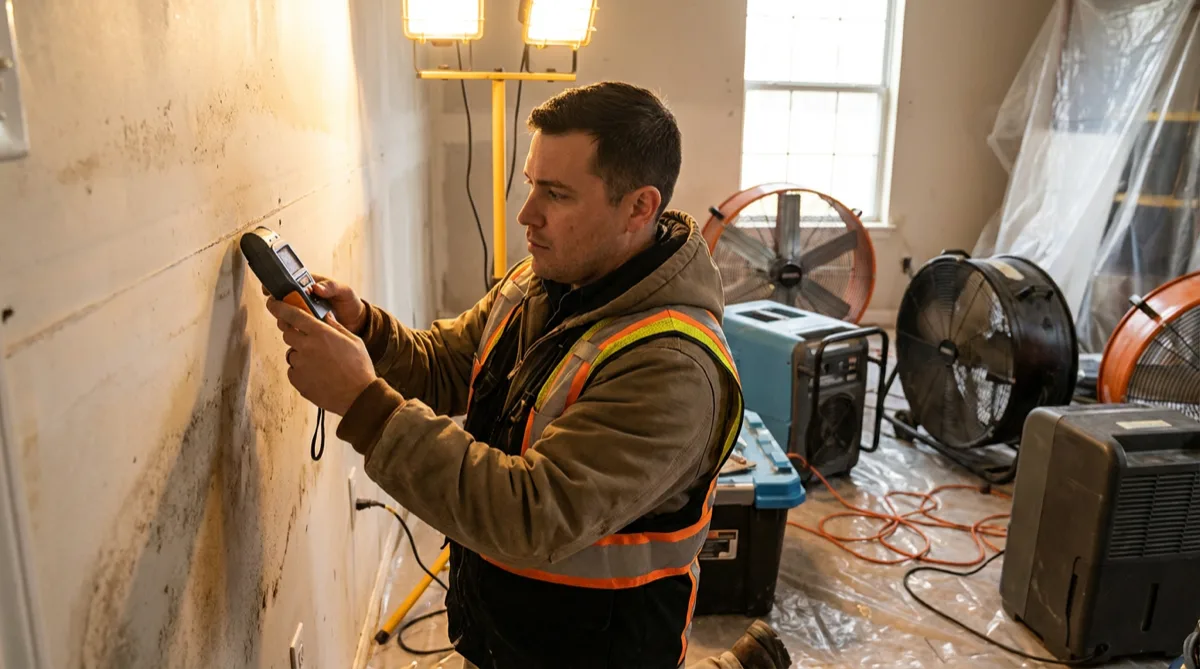
Water damage is one of the most stressful and expensive home repair events a Texas homeowner can face. Whether it’s a burst pipe in winter, a roof leak during a Houston storm, a slab leak underneath your foundation, or appliance failure, the cost of restoration varies widely based on how bad the damage is, how long it sat untreated, and what materials need to be replaced.
This guide gives you realistic Texas pricing across damage categories and explains how to navigate insurance, hiring, and the mitigation vs. restoration timeline.
Average Water Damage Restoration Costs in Texas
Water damage work falls into two phases: mitigation (stopping further damage and drying out) and restoration (repairing and rebuilding what was damaged). Both typically occur, often billed separately.
Mitigation Costs
Mitigation is the emergency phase — water extraction, structural drying with industrial dehumidifiers and air movers, antimicrobial treatment to prevent mold.
| Damage Scope | Average Texas Cost |
|---|---|
| Minor (one room, caught early) | $500–$2,000 |
| Moderate (2-3 rooms, 24–72 hrs wet) | $2,000–$6,000 |
| Significant (multiple areas, 3+ days) | $6,000–$15,000 |
| Severe (flooding, category 3 contamination) | $15,000–$40,000+ |
Mitigation companies typically charge by square footage of affected area plus equipment rental fees. Industrial dehumidifiers rent for $120–$200/day; an air mover runs $50–$100/day. A standard mitigation job with 3–5 pieces of equipment running 3–5 days can easily reach $3,000–$8,000 before any actual repairs begin.
Restoration Costs
After drying is complete, the damaged materials are replaced: drywall, insulation, flooring, cabinetry, trim.
| Repair Type | Average Texas Cost |
|---|---|
| Drywall replacement (per room) | $500–$2,500 |
| Flooring replacement (hardwood, per 200 sq ft) | $2,000–$5,000 |
| Carpet replacement (1,500 sq ft home) | $2,000–$5,000 |
| Insulation replacement (attic or walls) | $1,500–$5,000 |
| Cabinetry replacement (kitchen base cabinets) | $3,000–$10,000+ |
| Mold remediation (if required, per room) | $1,000–$5,000 |
Combined Total Estimates by Category
- Small pipe leak, one bathroom, caught quickly: $1,500–$5,000 total
- Washing machine overflow, two rooms: $3,000–$10,000
- Roof leak, master bedroom, 48 hours: $5,000–$15,000
- Slab leak under kitchen, with flooring: $8,000–$25,000
- Category 3 flooding (sewage backup, storm): $15,000–$60,000+
For slab leak repair costs specifically, see our Slab Leak Repair Cost in Texas guide.
What Drives Cost Variation in Texas
How long the water sat: The single biggest cost driver. Water caught within 24 hours usually means drying only. Water sitting 3–7 days may require mold remediation, structural material replacement, and significantly more drying time.
Water category:
- Category 1 (clean water): Burst supply pipe, appliance overflow. Cheapest to mitigate.
- Category 2 (gray water): Dishwasher overflow, washing machine drain, toilet bowl without waste. Requires more antimicrobial treatment.
- Category 3 (black water): Sewage backup, rising floodwater, standing water for days. Most expensive; full protective gear for technicians, complete demolition of porous materials.
Materials affected: Tile and concrete are relatively cheap to dry and restore. Hardwood flooring, custom cabinetry, plaster walls, and finished basements are significantly more expensive to restore.
Houston vs. other Texas cities: Labor costs in Houston run higher than smaller Texas markets due to demand concentration and the scale of the industrial workforce. Austin is also elevated; San Antonio and Corpus Christi tend to run lower.
How Homeowners Insurance Works
Most standard homeowners insurance covers sudden and accidental water damage (burst pipe, appliance failure, roof leak from a storm). It generally does NOT cover:
- Flooding (rising water from outside) — requires separate flood insurance
- Gradual leaks that could have been detected (a slow drip under the sink that became a mold problem)
- Slab leaks — may be covered or excluded depending on your specific policy; read carefully
If you have a claim:
- Call your insurance company before hiring anyone — they may require you to use a preferred vendor or get their adjuster involved first
- Document everything: photos and video of damage before any work begins
- Keep records of all mitigation equipment, invoices, and communications
- Understand your deductible — many Texas homeowners post-Winter-Uri raised their deductibles; confirm yours before filing a claim that might not exceed the threshold
Hiring a Water Damage Contractor in Texas
What to look for:
- IICRC Certification: The Institute of Inspection, Cleaning and Restoration Certification is the industry standard. Look for IICRC-certified firms — they follow the S500 Water Damage Restoration Standard.
- 24/7 availability: Legitimate mitigation companies respond around the clock — water damage doesn’t wait for business hours
- Written scope of work: Before work begins, you should receive a written estimate with line items, not a verbal quote
- Independent vs. insurance-preferred: Insurance preferred vendors aren’t always bad, but they work for the insurer’s interests, not exclusively yours. Getting your own independent assessment first gives you a benchmark.
Find water damage restoration professionals and other home service contractors through House Escort — free for homeowners, vetted professionals.
See our Permit Requirements for Home Renovations in Texas guide if restoration work requires permitting in your city.
Frequently Asked Questions
Does homeowners insurance cover water damage in Texas?
Standard homeowners insurance covers sudden and accidental water damage — burst pipes, appliance overflow, roof damage from storms. It does not cover flooding (rising water requires NFIP or private flood insurance), gradual leaks, or damage from lack of maintenance. Review your specific policy’s water coverage language; Texas policies vary. If you’re in a flood zone, separate flood insurance is essential.
How long does water damage restoration take in Texas?
The drying phase typically takes 3–5 days for a standard mitigation job (one to two affected rooms). Reconstruction after drying depends on the scope — drywall repair might take 1–2 days; full kitchen or flooring replacement can take 2–4 weeks with material procurement. Total timeline from incident to fully restored home ranges from 1 week (minor) to 2–3 months (severe structural damage).
Is mold remediation included in water damage restoration?
Not always — it depends on whether mold has established growth. If water damage is addressed within 24–48 hours, mold typically hasn’t formed. If water sat longer, or if a hidden leak went undetected for weeks, mold remediation is a separate scope of work. Mold testing (for confirmation of presence and species) and remediation are typically billed separately from water damage work.
What’s the difference between mitigation and restoration?
Mitigation is emergency containment and drying — stopping further damage and removing excess moisture from structures. It’s the immediate response. Restoration is the rebuild — replacing drywall, flooring, insulation, and other materials that were removed or damaged. Mitigation is typically billed at completion; restoration may involve multiple invoices as material phases complete.
How do I find a reliable water damage contractor in Texas?
Look for IICRC-certified firms, verified contractor licensing, and reviews on Google or Yelp. Get at least two estimates for non-emergency restoration work. For emergency mitigation, the most important factor is response time — call multiple companies and use whoever arrives fastest. Platforms like House Escort list vetted home service professionals by location.