Insulation Cost in Texas: Full-Home Guide
House Escort Team
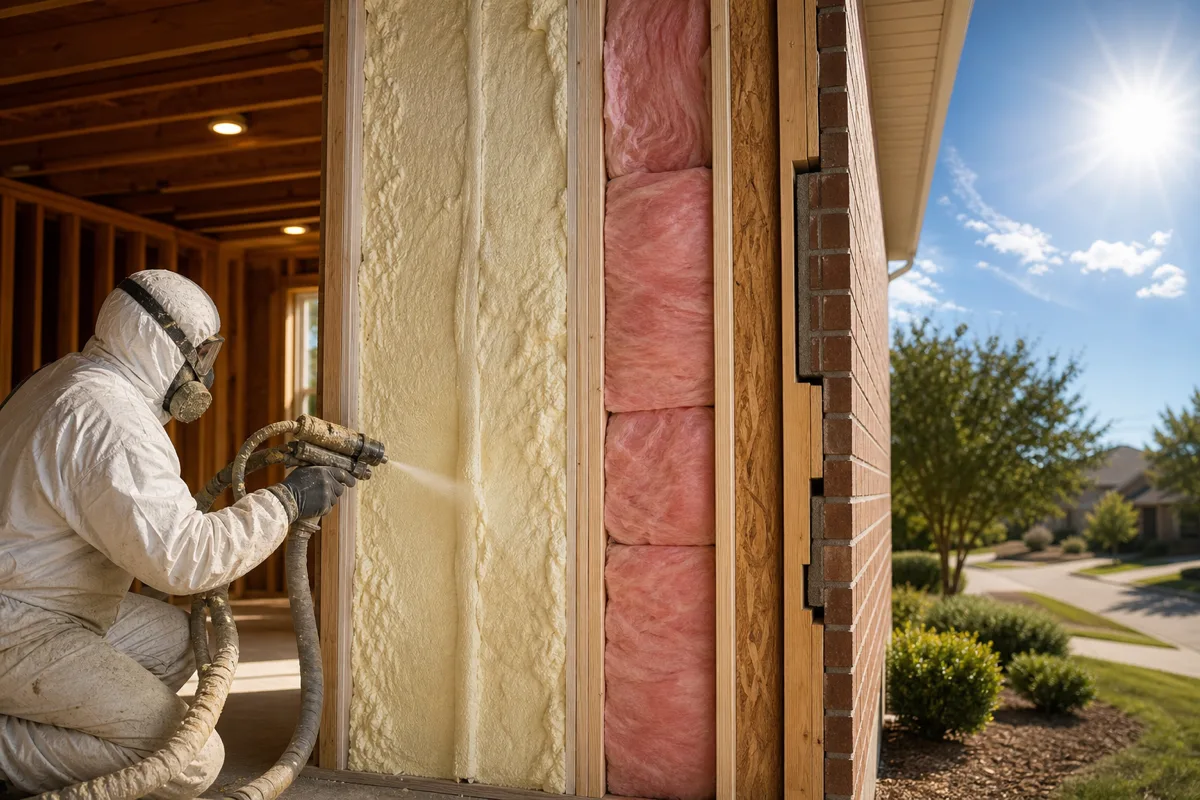
Texas summers are relentless. When your utility bills spike past $300 a month in July, poor insulation is often the culprit. Whether you’re buying an older home, finishing a renovation, or just tired of paying too much to cool a leaky house, understanding insulation costs across your whole home — not just the attic — can help you make a smart investment.
This guide breaks down what homeowners in Texas typically pay for insulation upgrades, which materials work best in the Texas climate, and how to find a qualified installer.
Why Insulation Matters More in Texas
Texas sits in a hot-humid or hot-dry climate zone (IECC Climate Zones 2 and 3), which means your insulation is primarily fighting heat gain rather than cold-weather heat loss. The Department of Energy recommends R-38 to R-60 insulation values for Texas attics — far above what many older Texas homes actually have.
Beyond attic insulation, walls, crawlspaces, and rim joists are common energy leak points. A full-home insulation upgrade addresses all of them together.
Insulation Types: What’s Right for Texas?
Blown-In (Loose-Fill) Insulation
Blown-in fiberglass or cellulose is the most common upgrade for existing Texas homes. It fills irregularly shaped spaces without disturbing finished walls.
- Cellulose: Eco-friendly, made from recycled paper. R-value around 3.2–3.8 per inch. Good air-sealing properties.
- Fiberglass loose-fill: Easier to install, resistant to mold and moisture. R-value around 2.2–2.7 per inch.
Typical cost: Attic blown-in insulation runs roughly $1,500–$3,500 for an average Texas home, depending on square footage and current R-value.
Spray Foam Insulation
Spray foam (open-cell or closed-cell) creates an air barrier as well as a thermal barrier — making it the premium choice for new builds and complete gut renovations.
- Open-cell foam: Softer, less dense, about R-3.7 per inch. Great for interior walls and ceilings.
- Closed-cell foam: Dense, moisture-resistant, R-6 to R-7 per inch. Ideal for crawlspaces, rim joists, and exterior walls in flood-prone Texas areas.
Typical cost: Spray foam is significantly more expensive — expect $2,000–$6,000+ for a full-home application depending on scope. Closed-cell foam for a crawlspace alone can run $1,200–$2,500.
Batt Insulation
Fiberglass or mineral wool batts are standard for new-construction walls. Retrofitting existing walls with batts requires opening the drywall, making it less practical for most Texas homeowners unless doing a full remodel.
Typical cost: Batt insulation for a new addition or remodel runs $0.30–$0.60 per square foot installed.
Where to Insulate: Full-Home Breakdown
Attic
The attic is the biggest opportunity. A poorly insulated attic in a Texas home can account for 25–40% of your cooling load. Blown-in cellulose or fiberglass is most common here.
Cost range: $1,200–$4,000 depending on attic square footage and existing insulation.
See our detailed breakdown at /resources/attic-insulation-cost-texas/.
Exterior Walls
Most Texas homes built before the 1990s have minimal wall insulation. Drill-and-fill techniques inject blown-in foam or cellulose into existing wall cavities without full demo.
Cost range: $1.50–$3.50 per square foot for drill-and-fill on existing walls.
Crawlspace
Encapsulating and insulating a crawlspace is one of the highest-ROI upgrades in humid parts of Texas (Houston, East Texas). Closed-cell spray foam on the crawlspace floor and rim joists controls moisture, prevents mold, and reduces cooling loads.
Cost range: $3,000–$8,000 for full crawlspace encapsulation and insulation.
Basement (Less Common in Texas)
True basements are rare in Texas due to expansive clay soils, but slab-on-grade homes still benefit from perimeter insulation and attic improvements. If your home has a partial basement or storm cellar, spray foam on the walls is the best option.
Rim Joists and Band Joists
Often overlooked, these areas where the house frame meets the foundation are notorious air leak points. Closed-cell spray foam here is a targeted, affordable upgrade.
Cost range: $400–$1,200 for rim joist sealing.
Texas Energy Code Requirements
The 2021 IECC (which Texas has largely adopted) requires:
- Attic: R-38 minimum in Climate Zone 2, R-49 in Zone 3
- Walls: R-13 + R-5 continuous insulation in most zones
- Foundation/Crawlspace: R-10 minimum
If you’re pulling a permit for a renovation, your insulation must meet code. Many older Texas homes fall far short of these minimums.
How Much Can You Save on Utility Bills?
Upgrading from R-11 to R-38 attic insulation in a 2,000 sq ft Texas home can reduce cooling costs by 15–25%, translating to $200–$600 annually in savings depending on your utility rates. Full-home insulation upgrades — attic plus walls plus crawlspace — can push savings to 30–40%.
Payback periods vary: attic blown-in typically pays back in 3–7 years. Spray foam for full walls may take 10–15 years but adds measurable home value and comfort.
Texas Utility Rebates to Know
Several Texas utilities offer rebates for insulation upgrades:
- Oncor (DFW): Rebates for attic insulation upgrades
- CPS Energy (San Antonio): Energy efficiency rebates for insulation
- AEP Texas: Weatherization rebate programs
- Centerpoint Energy (Houston): Rebates on qualifying upgrades
Always check your utility provider’s current rebate portal before scheduling work.
How to Vet an Insulation Contractor
Insulation is not licensed as a standalone trade in Texas, but a qualified contractor should:
- Carry liability insurance and workers’ comp — confirm both with a certificate before work starts
- Provide a written scope — what R-value you’ll end up with, where foam will be sprayed, what’s being air-sealed
- Use a blower-door test — before and after to quantify air leakage reduction
- Be certified by BPI or RESNET — optional but a strong signal of quality for energy retrofit work
You should also ask if they’ll handle any code permits required by your municipality. If they discourage permits, walk away.
For help finding a qualified HVAC and insulation pro, check our guide on how to hire a reliable HVAC technician.
Getting Quotes on House Escort
House Escort connects Texas homeowners with insulation contractors who show their license, insurance, and real customer reviews — no bait-and-switch. Post your project for free and receive competitive quotes from vetted pros in your area.
Find an insulation contractor near you →
Frequently Asked Questions
How much does it cost to insulate a whole house in Texas? A full-home insulation upgrade — attic, walls, and crawlspace — typically runs $5,000–$15,000 in Texas depending on home size, insulation type, and existing conditions. Attic-only projects start around $1,200–$4,000.
Is spray foam worth it in Texas? Closed-cell spray foam is highly effective in Texas, especially for crawlspaces, rim joists, and exterior walls. It’s more expensive upfront than blown-in, but the air-sealing and moisture control benefits are significant in humid climates like Houston and East Texas.
What insulation R-value do I need in Texas? Texas Climate Zone 2 requires R-38 minimum in the attic; Zone 3 requires R-49. Most older Texas homes have R-11 to R-19 and benefit significantly from upgrades to code minimums.
Do I need a permit for insulation work in Texas? Attic insulation replacement typically does not require a permit. However, if work involves spray foam on structural elements, encapsulating a crawlspace, or is part of a permitted renovation, a permit may be required. Always ask your contractor and check with your local building department.
Can insulation reduce my AC unit size? Improving insulation can reduce your home’s cooling load, which may allow for a smaller, more efficient AC unit at the time of replacement. An HVAC load calculation (Manual J) after insulation upgrades will confirm whether your current equipment is properly sized.