Attic Insulation Cost in Texas: 2026 Guide
House Escort Team
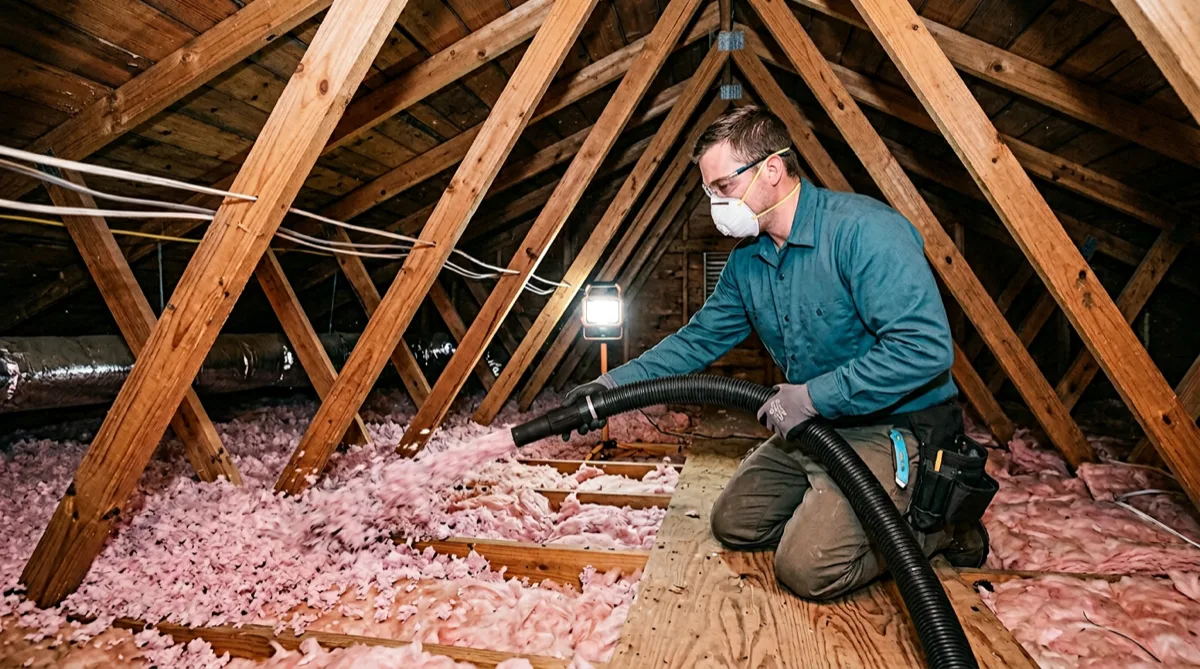
Attic insulation is one of the highest-return home improvements available to Texas homeowners — and one of the most overlooked. In a climate where summer cooling bills can exceed $300–$400 per month, upgrading underperforming attic insulation frequently cuts energy costs by 15–25%.
This guide covers what attic insulation upgrades cost in Texas, which type of insulation performs best in the heat, and what to watch for when hiring an installer.
Average Attic Insulation Cost in Texas
Most Texas homeowners pay $1,500–$4,500 for a full attic insulation upgrade, with the average falling around $2,500–$3,000 for a standard 1,500–2,000 sq ft home.
Price varies based on:
- Attic square footage: More space = more material and labor
- Insulation type: Blown-in fiberglass vs. cellulose vs. spray foam have different material costs
- Existing insulation removal: If your old insulation is contaminated, moldy, or pest-damaged, removal adds $500–$1,500
- R-value target: Texas attics should hit R-38 to R-60; if starting from R-11, you need more material
- Attic accessibility: Tight crawl spaces, steep pitches, or HVAC equipment in the attic increase labor
Rough cost ranges by job type:
| Job Type | Typical Range |
|---|---|
| Blown-in fiberglass topping (existing insulation in good condition) | $800–$1,800 |
| Full cellulose replacement | $1,500–$3,500 |
| Spray foam air sealing + blown-in combination | $2,000–$5,000 |
| Remove and replace (contaminated old insulation) | $2,500–$6,000+ |
Which Insulation Is Best for Texas Attics?
Texas heat creates specific demands that differ from colder climates. Here’s how the main options compare:
Blown-In Fiberglass
The most common choice for Texas attic insulation upgrades. Benefits:
- Lower material cost than alternatives
- Good R-value per inch (R-2.2 to R-2.7)
- Quick installation — most jobs completed in a day
- Fire resistant and doesn’t settle as much as cellulose
Best for: Homes with existing insulation that just needs topping up to modern R-value standards.
Blown-In Cellulose
Made from recycled paper treated with borate. Slightly higher R-value than fiberglass per inch, and better air infiltration resistance.
- R-value: R-3.2 to R-3.8 per inch
- Settles over time (installers account for this in initial depth)
- Heavier than fiberglass — verify joist load capacity in older homes
Best for: Older Texas homes where air sealing is as important as R-value.
Spray Foam (at the Roofline)
Spray foam applied at the roofline — rather than the attic floor — creates a “conditioned attic” where the attic space itself is inside the thermal envelope. This keeps HVAC equipment and ductwork in conditioned space, which can dramatically improve system efficiency.
- Significantly higher cost: $3,000–$8,000+ for most Texas homes
- Best ROI when HVAC ducts run through the attic
- Requires proper ventilation planning with a qualified contractor
Best for: Homes with attic HVAC equipment or ductwork, and homeowners planning to stay long-term.
Texas-Specific Considerations
Current R-value requirements: Texas’s energy code (IECC 2021, adopted in most jurisdictions) requires R-38 minimum in most Texas climate zones, with R-49 to R-60 recommended for maximum efficiency. Many older Texas homes have R-11 to R-19 — a significant gap that directly impacts summer cooling bills.
Radiant barriers: Texas homes often benefit from radiant barrier foil installed on the underside of roof decking in combination with conventional insulation. Radiant barriers reduce radiant heat transfer from the roof surface to the attic — relevant in a climate where attic temperatures can reach 140°F+. Radiant barrier installation typically adds $500–$1,200 to an insulation project.
Air sealing first: Before adding more insulation, an effective Texas attic upgrade includes sealing air leaks around recessed lights, electrical penetrations, attic hatches, and HVAC chases. Air sealing can add $300–$800 to the project but often has more impact than simply adding insulation depth.
Pest damage: Texas attics, particularly in coastal regions, are susceptible to rodent activity that contaminates existing insulation. If you see signs of pest activity in your attic, budget for removal of contaminated material before adding new insulation.
How to Hire an Attic Insulation Contractor in Texas
Getting quotes from multiple contractors is standard practice, but not all insulation quotes compare the same work:
- Verify R-value targets: Your quote should specify the final R-value, not just the type or depth of material
- Confirm air sealing is included: Ask whether the quote includes air sealing before installation
- Check licensing: Texas doesn’t require a specific insulation contractor license, but general contractor licensing and liability insurance should be verified
- Ask about existing insulation: Get a clear answer on whether old insulation is being removed, topped up, or left as-is
- Understand the warranty: Ask about manufacturer warranties on materials and labor guarantees on workmanship
Finding verified, insured insulation contractors in your Texas zip code is straightforward on House Escort — every listed pro has verified credentials and reviews from local homeowners.
Find Insulation Contractors Near You →
Frequently Asked Questions
How much does attic insulation cost in Texas?
Most Texas homeowners pay $1,500–$4,500 for an attic insulation upgrade. Smaller top-up jobs on existing insulation in good condition can run $800–$1,800. Full removal and replacement with spray foam at the roofline can exceed $6,000. The main cost drivers are attic size, insulation type, whether removal is needed, and your target R-value.
What R-value should my Texas attic have?
Texas energy codes require a minimum of R-38 in most climate zones, with R-49 to R-60 recommended for maximum efficiency. Many older Texas homes have R-11 to R-19 — upgrading to R-38 or higher typically reduces cooling costs by 15–25%.
Is blown-in or spray foam insulation better for Texas attics?
Blown-in fiberglass or cellulose is the cost-effective choice for most Texas homes. Spray foam at the roofline costs more but is the best option when HVAC equipment or ductwork runs through the attic — keeping those systems in conditioned space dramatically improves efficiency. Consult a qualified contractor to determine which approach fits your home.
How long does attic insulation installation take in Texas?
Most blown-in insulation jobs for a standard Texas home (1,500–2,500 sq ft attic) are completed in one day. Full removal and replacement takes longer — typically 1–2 days. Spray foam roofline jobs may take 2–3 days including curing time.
Does Texas offer rebates for attic insulation upgrades?
Oncor, CenterPoint Energy, and other Texas utilities offer energy efficiency rebates for qualifying attic insulation upgrades. CPS Energy and Austin Energy also have rebate programs. Check your utility company’s website or ask your contractor about available incentives before starting your project.