Houston Flood Risk Guide for Home Buyers
House Escort Team
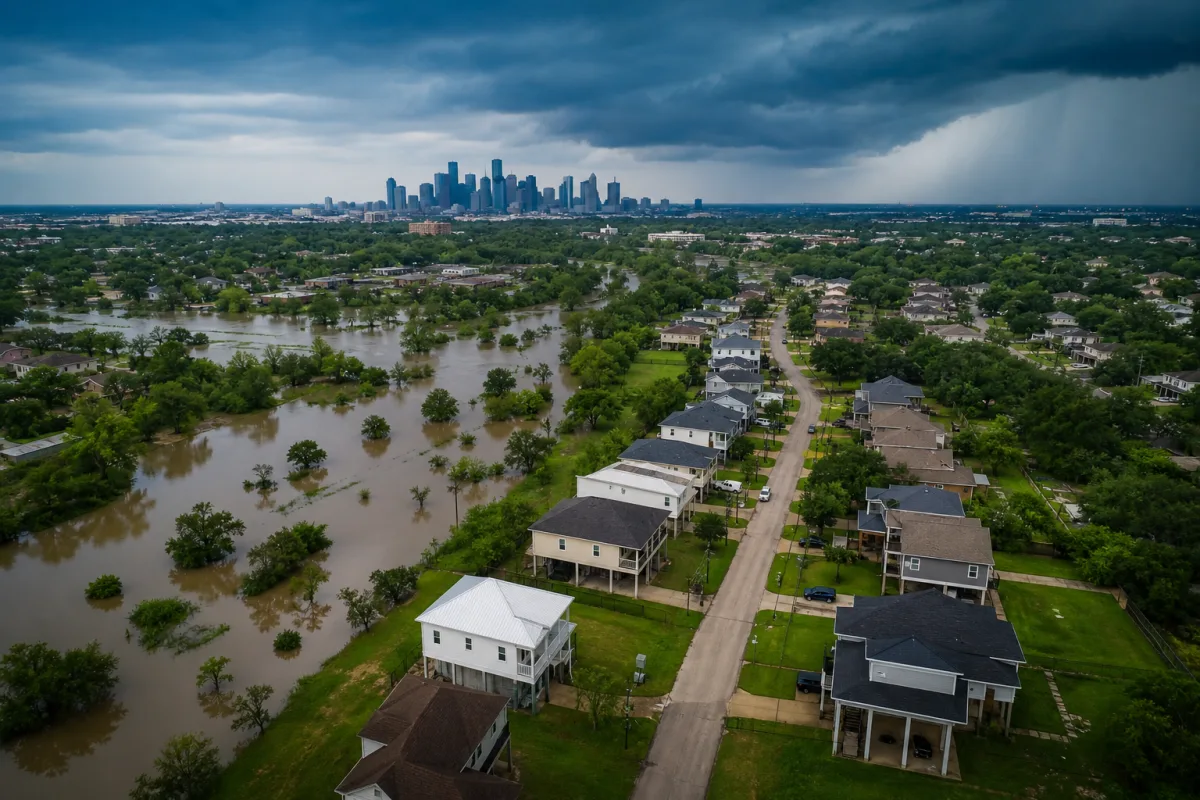
Houston’s relationship with flooding defines the home buying experience in Harris County. Hurricane Harvey in 2017 brought unprecedented rainfall and revealed vulnerabilities across neighborhoods previously considered safe. Today, informed buyers investigate flood risk with the same diligence once reserved for title searches and inspections.
Understanding flood zones, insurance requirements, and long-term property implications protects buyers from financial surprises and health hazards. The right questions during due diligence uncover issues that standard inspections might miss.
Harris County Flood Zones Explained
FEMA designates flood zones based on statistical likelihood of flooding. Zone AE represents areas with a one percent annual chance of flooding, also called the 100-year floodplain. These zones carry mandatory flood insurance requirements for federally backed mortgages. Base flood elevations are established, guiding construction and insurance rates.
Zone X indicates areas outside the 100-year floodplain but still within the 500-year zone in some designations. Zone X500 specifically denotes areas with a 0.2 percent annual chance of flooding. While flood insurance is not federally required in X zones, lenders may still mandate coverage, and flooding remains possible during extreme events.
Harris County’s flat topography and extensive bayou system create complex flood patterns. Neighborhoods miles from the coast or major waterways can still experience significant flooding when drainage systems overwhelm. Recent map updates have reclassified many properties into higher-risk zones, affecting insurance costs and buyer perceptions.
Buyers should obtain current flood zone determinations from multiple sources. FEMA maps provide baseline information, but local drainage studies and recent flooding history offer additional context. Properties near bayous, ditches, or with poor street drainage warrant extra scrutiny regardless of official zone designation.
Checking FEMA Flood Maps and Local Resources
The FEMA Flood Map Service Center provides official flood zone information for any address. Enter the property address to view the effective flood map panel and determine zone classification. Note the map effective date, as updates occur periodically and can significantly impact insurance requirements.
Harris County Flood Warning System and the City of Houston’s flood plain management office offer additional resources. These local agencies maintain current data on drainage improvements, buyout programs, and areas with known flooding issues not fully reflected on FEMA maps. Recent flooding events often precede map updates by years.
Elevation certificates provide precise elevation data relative to base flood elevation. Properties with finished floor elevations above the base flood elevation may qualify for reduced insurance rates or removal from mandatory coverage requirements. Sellers should provide existing certificates; if unavailable, buyers can commission new ones during inspection periods.
Flood Insurance Costs and Coverage Considerations
Flood insurance costs in Houston vary dramatically based on zone, elevation, construction type, and coverage limits. Annual premiums for standard coverage often range from eight hundred to three thousand dollars or more for higher-risk properties. Homes in AE zones with below-base-flood-elevation finished floors face the highest rates.
The National Flood Insurance Program offers building and contents coverage with specific limits. Many homeowners purchase supplemental private flood insurance for higher coverage amounts or additional living expenses. Review policy details carefully, as NFIP coverage excludes certain property types and has specific waiting periods for new policies.
Harvey demonstrated that flooding extends beyond designated floodplains. Homes outside mapped zones still experienced significant water damage. Buyers should consider flood insurance even when not required, particularly if the property shows any signs of previous water intrusion or poor drainage.
Harvey’s Lasting Impact on Property Values and Neighborhoods
Hurricane Harvey caused an estimated $125 billion in damage across the Houston region. Property values in heavily flooded neighborhoods declined significantly in the immediate aftermath. Some areas recovered as drainage improvements and buyout programs progressed, while others continue to struggle with stigma and repeated flooding.
Buyers should research Harvey-specific flooding history for any property under consideration. The Houston Chronicle and local news archives document neighborhood-level flooding. Harris County property records indicate whether a home participated in buyout programs or received flood damage assistance.
Repeated flooding affects more than property values. Chronic moisture creates mold risks, foundation movement, and long-term structural concerns. Homes that flooded during Harvey and subsequent events may have hidden damage that manifests years later. Thorough inspections by professionals experienced in flood-damaged properties are essential.
Foundation Issues from Repeated Flooding
Houston’s clay soils expand and contract with moisture changes. Repeated flooding accelerates foundation movement, causing cracks, settlement, and structural distress. The Texas foundation crack types guide details common crack patterns and their implications for structural integrity.
Flood events saturate soils beneath foundations, reducing bearing capacity and causing differential settlement. Subsequent drying cycles cause soil shrinkage and additional movement. This cycle repeats with each flood event, compounding damage over time.
Buyers should request foundation evaluations from licensed structural engineers familiar with Houston conditions. Standard home inspections may not identify subtle foundation issues. Engineer reports provide detailed assessments and repair recommendations that inform purchase decisions and negotiations.
MUD Disclosure Requirements and What They Mean
Municipal Utility Districts (MUDs) provide water, sewer, and drainage services in many Houston suburbs. Texas law requires sellers to disclose MUD participation and provide financial information about the district. MUDs issue bonds to fund infrastructure, and property owners pay taxes to service this debt.
MUD tax rates vary significantly between districts. High debt loads or frequent bond issuances can result in elevated tax rates that affect affordability. Buyers should review MUD financial statements and understand how drainage infrastructure investments affect flood risk and long-term costs.
Some MUDs have implemented drainage improvement programs following Harvey. These investments may reduce flood risk but increase tax burdens. Conversely, underfunded districts may have inadequate drainage infrastructure that increases flooding probability. MUD disclosures provide critical context for flood risk assessment.
Questions to Ask Home Inspectors About Drainage
Standard home inspections evaluate drainage, but buyers should specifically request detailed drainage assessments in Houston. Ask inspectors to evaluate lot grading, gutter and downspout functionality, French drain presence and condition, and evidence of previous water intrusion in crawl spaces or basements.
Inspectors should document water stains, mold growth, and foundation cracks that may indicate chronic moisture issues. Request photos and written descriptions of drainage deficiencies. These findings support negotiations and inform post-purchase improvement plans.
Consider hiring a separate drainage specialist or civil engineer for properties in high-risk areas. These professionals assess drainage patterns beyond the immediate lot, evaluating street drainage, nearby bayou conditions, and upstream development impacts that affect flood risk.
Elevation Certificates and Their Importance
Elevation certificates document a structure’s elevation relative to the base flood elevation. Lenders require these certificates for properties in AE zones to determine insurance rates. Certificates also support applications for map amendments or revisions that can remove properties from flood zones.
Sellers should provide existing elevation certificates. If unavailable, buyers can commission new certificates during due diligence periods. The cost is modest compared to the potential insurance savings or flood zone removal benefits. Certificates must be prepared by licensed surveyors or engineers.
Properties with below-base-flood-elevation finished floors face higher insurance costs and may require mitigation. Elevation or floodproofing options exist but involve significant expense. Understanding elevation status before purchase prevents costly surprises.
Finding Contractors to Assess Flood Damage
Buyers who identify flood-related concerns need qualified contractors for detailed assessments and repair estimates. The Texas roof hail damage claim guide provides relevant information on working with contractors for insurance claims, applicable to flood damage as well.
Seek contractors experienced in flood restoration and Houston-specific conditions. Verify licensing, insurance, and references from previous flood remediation projects. Obtain multiple estimates for any identified issues before finalizing purchase decisions.
House Escort connects Houston-area homeowners with pre-vetted contractors experienced in flood damage assessment and remediation. This network helps buyers quickly obtain reliable evaluations during time-sensitive purchase processes.
Frequently Asked Questions
How can I check if a specific Houston address flooded during Harvey?
Local news archives, the Houston Chronicle’s Harvey flooding maps, and Harris County property records provide address-level flooding information. Some real estate listing platforms now include flood history data. Always verify multiple sources, as self-reported information may be incomplete.
Is flood insurance required if my property is in Zone X?
FEMA does not mandate flood insurance in X zones, but lenders may still require coverage. Even without lender requirements, consider flood insurance given Houston’s flooding history outside mapped zones. Private insurers offer options beyond NFIP coverage.
What should I do if the seller refuses to provide an elevation certificate?
Commission your own certificate during the inspection period. The cost is reasonable, and the information is essential for insurance planning and purchase decisions. Include certificate procurement as a contingency in your offer if the seller cannot provide one.
How do MUD taxes affect my total housing costs?
MUD taxes appear on your annual property tax bill and can add hundreds or thousands of dollars annually depending on the district. Review MUD financial disclosures before making offers. High MUD taxes may offset lower purchase prices in some developments.
Can I remove a property from the flood zone after purchase?
Properties may qualify for map amendments or revisions if elevation data supports removal. Work with a licensed surveyor or engineer to pursue a Letter of Map Amendment (LOMA) or Letter of Map Revision (LOMR). Success depends on accurate elevation data and current map conditions.