Signs Your Texas Water Heater Needs Replacement
House Escort Team
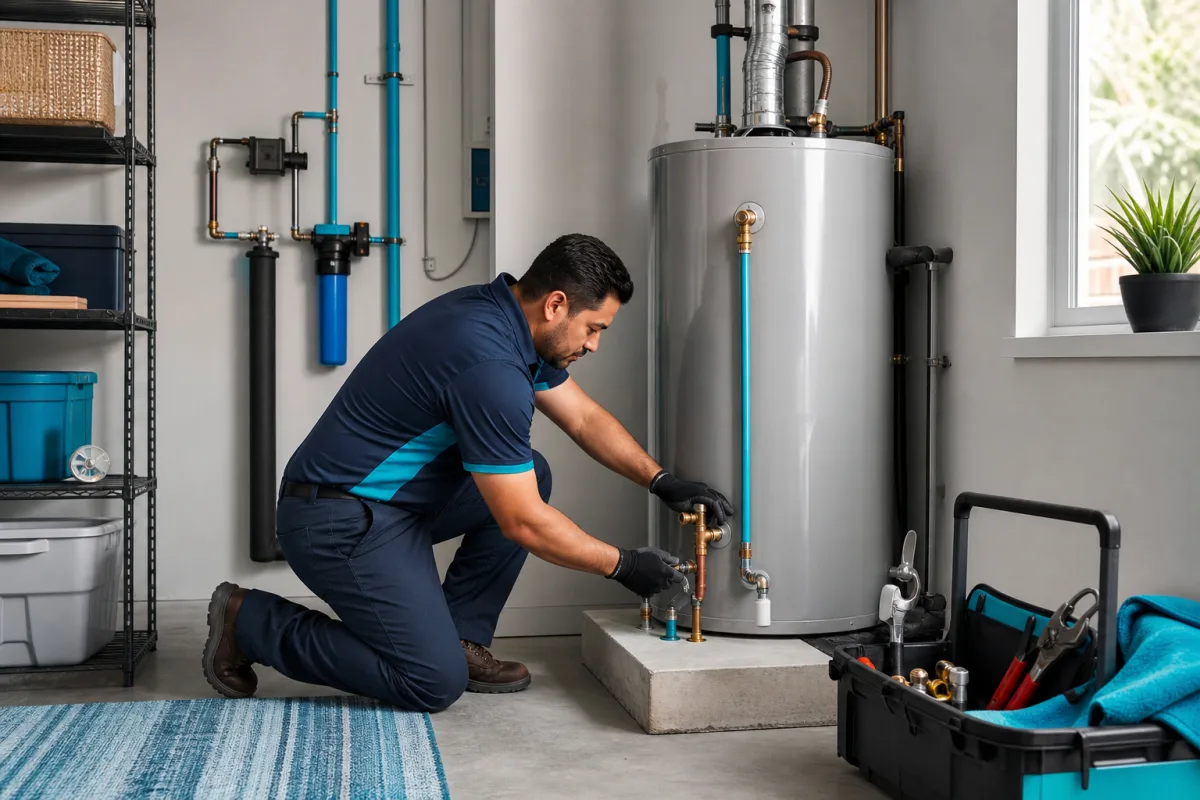
Texas homeowners rely on hot water for showers, laundry, and dishes every day. When the water heater begins to fail, the signs are usually clear if you know what to watch for. Ignoring early warnings often leads to sudden cold showers, water damage, or emergency replacement at premium prices. This guide helps you recognize when replacement makes sense and how to choose the right system for Texas conditions.
Age Is the Primary Indicator
Most traditional tank water heaters last 10 to 15 years in Texas. Tankless units often reach 15 to 20 years with proper maintenance. If your unit is approaching or exceeding these ranges, replacement planning should begin even if it still produces hot water. Older units lose efficiency and develop internal corrosion that eventually causes leaks.
Check the manufacture date on the data plate attached to the tank or access panel. Subtract the year from the current date. Units older than 12 years in hard-water areas of Texas warrant closer inspection during annual service visits.
Rusty or Cloudy Water
Discolored water coming from hot taps is a classic sign of tank corrosion. As the anode rod sacrifices itself to protect the steel tank, rust particles accumulate in the water. If flushing the tank does not clear the color, the tank interior is likely deteriorating.
Cloudy or milky hot water can also indicate sediment buildup or failing dip tubes. Both conditions reduce efficiency and point toward replacement rather than continued repair.
Rumbling, Popping, or Knocking Sounds
Sediment from Texas hard water settles at the bottom of the tank and bakes onto the heating elements or burner. When water heats, steam bubbles through the crust create rumbling or popping sounds. Persistent noise after a full flush usually means the tank has significant scale and reduced capacity.
Knocking or banging can signal loose heating elements or expanding pipes. A licensed plumber can diagnose whether the issue is repairable or requires full replacement.
Inconsistent or Insufficient Hot Water
If showers run cold before everyone finishes, or the dishwasher leaves spots because water never reaches proper temperature, the tank may no longer hold its rated capacity. Sediment reduces usable volume, and failing heating elements cannot keep up with demand.
Tankless systems can also show inconsistency when scale builds on heat exchangers or when multiple fixtures demand hot water simultaneously. Professional sizing ensures the unit matches household needs.
Visible Corrosion or Leaks
Any water around the base of a tank heater or moisture on connections deserves immediate attention. Small leaks often precede catastrophic failure. Corrosion around the top or bottom seams indicates the tank wall is thinning.
Tankless units rarely leak but can show white mineral buildup around fittings in hard-water regions. Annual descaling prevents most issues, but neglected units may require heat exchanger replacement that approaches the cost of a new system.
Rising Energy Bills
A water heater that once used modest energy but now contributes to higher utility costs signals declining efficiency. Scale on heating surfaces forces the burner or elements to run longer. Older tanks also lose more heat through degraded insulation.
Compare your current bills to the same months two or three years ago. A 15-20% increase in water heating costs without changes in household size or habits often traces back to the water heater.
Tank vs Tankless Cost Comparison in Texas
Traditional tank units installed typically range from $800 to $1,500 depending on size, fuel type, and labor. Tankless systems cost $2,000 to $4,500 installed because they require larger gas lines, venting, and sometimes electrical upgrades.
Tankless units deliver endless hot water and occupy less space, making them attractive for remodels. However, they cost more upfront and may need water softening in areas with very hard water to protect the heat exchanger.
Many Texas homeowners choose high-efficiency tank models with 12-16 year warranties as a balanced middle ground. A licensed plumber can calculate payback periods based on your usage patterns and local utility rates.
Texas Hard Water Impact on Anode Rods
Much of Texas has moderately hard to very hard water. The minerals accelerate anode rod consumption and tank corrosion. Homeowners in Dallas, Houston, Austin, and San Antonio should inspect or replace anode rods every 3-5 years rather than waiting for failure.
A plumber can perform this service during routine maintenance and advise whether a powered anode or water softener would extend equipment life.
Finding a Licensed Texas Plumber
Always verify that any plumber holds a current license through the Texas State Board of Plumbing Examiners. Licensed pros carry insurance, understand local codes, and can pull permits when required. Unlicensed work risks voided warranties and insurance claims.
Ask for references from recent water heater replacements and confirm the company carries liability coverage. Written estimates should detail equipment brand, model, warranty, and labor terms.
For more guidance on hiring trades, see our resource on how to hire an arborist which shares similar vetting principles applicable to plumbers.
Learn the early warning signs of foundation issues that sometimes accompany plumbing leaks in our guide to Texas foundation crack types.
Frequently Asked Questions
How often should I flush my water heater in Texas?
Most manufacturers recommend annual flushing. In hard-water areas, twice-yearly flushing helps remove sediment before it bakes onto heating surfaces. A plumber can perform the service and inspect the anode rod at the same time.
Can I replace a water heater myself in Texas?
Texas law requires a licensed plumber for any work that involves gas lines, permits, or alterations to the potable water system. Homeowners may replace electric point-of-use units in some jurisdictions, but most tank and tankless replacements need professional installation to maintain code compliance and warranty coverage.
Does a tankless water heater make sense for a large Texas family?
Large households with simultaneous hot water demand often benefit from tankless systems or multiple units. A plumber performs a fixture count and flow-rate calculation to determine the correct size. Oversized units waste money; undersized units disappoint during peak use.
What is the typical lifespan of a water heater in Texas?
Tank models average 10-12 years in hard-water regions. Tankless units frequently reach 15-20 years when descaled annually. Proper maintenance and water treatment significantly extend service life in any climate.
Should I repair or replace an older water heater?
If the unit is within warranty and the repair cost is less than 50% of replacement, repair may make sense. Beyond warranty or with multiple issues, replacement usually provides better long-term value and avoids repeated service calls.
House Escort connects Texas homeowners with licensed, insured plumbers who specialize in water heater replacement. Get matched with pros in your area who understand local codes and hard-water challenges.