Texas Whole-Home Generator Buying Guide
House Escort Team
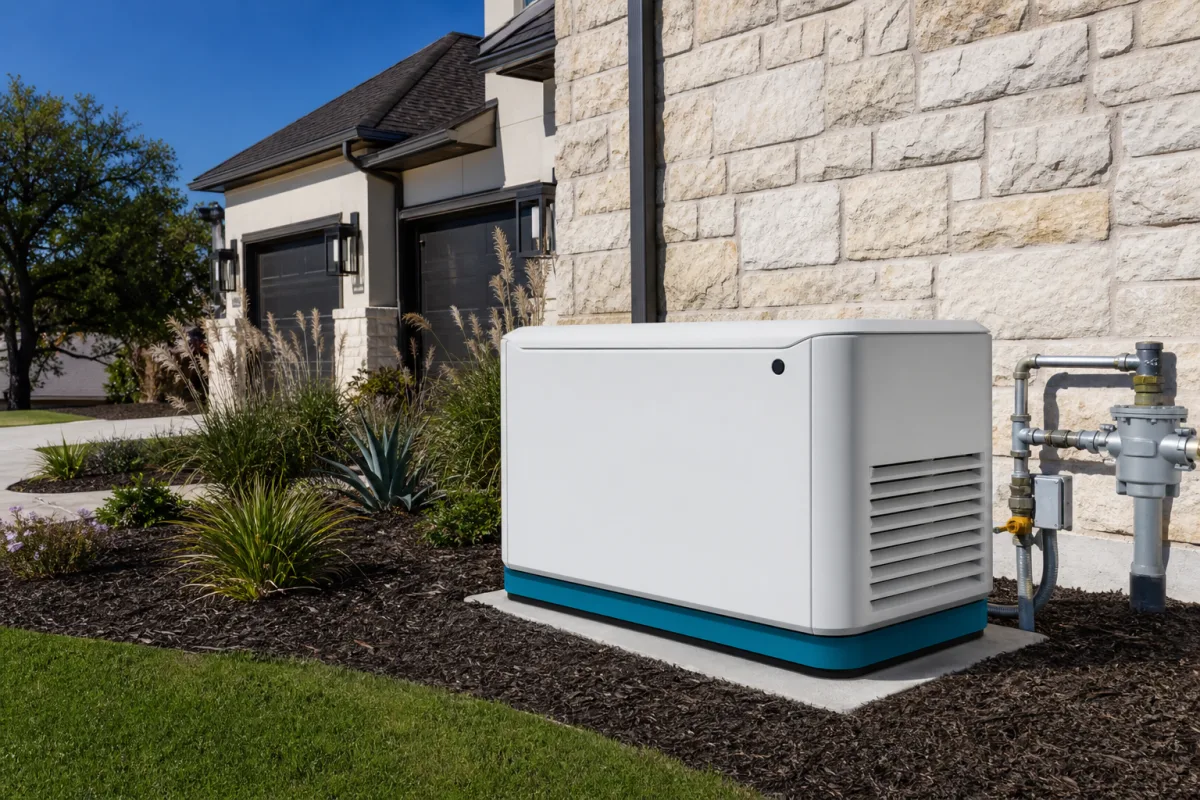
Texas homeowners learned hard lessons during Winter Storm Uri in 2021. Extended power outages left millions without electricity for days in freezing conditions. Many turned to portable generators, but fuel shortages, improper use, and carbon monoxide risks highlighted the need for better permanent solutions. Grid reliability remains a concern across ERCOT territory, prompting thousands of Texas residents to invest in whole-home standby generators.
A whole-home generator provides automatic backup power during outages. Unlike portable units that require manual setup and fuel management, standby systems start within seconds of detecting a power loss. They connect directly to your home’s electrical panel and can run on natural gas or propane for extended periods without refueling.
Portable vs Standby Generators for Texas Homes
Portable generators offer lower upfront costs and flexibility. You can move them between properties or store them when not needed. However, they require manual operation, extension cords, and constant fuel monitoring. During multi-day outages common after Texas ice storms or hurricanes, portable units often prove insufficient for whole-home needs.
Standby generators install permanently outside your home. They connect through an automatic transfer switch that detects outages and activates the unit without homeowner intervention. Most models feature weatherproof enclosures rated for Texas heat, humidity, and occasional hail. Professional installation ensures code compliance and safe operation during emergencies.
Texas homeowners prioritizing convenience and reliability increasingly choose standby units. The automatic startup eliminates the dangerous task of refueling in storms or extreme weather. Enclosed units also reduce noise compared to portable models running on extension cords.
Determining the Right Generator Size for Your Home
Proper sizing prevents underpowered systems or unnecessary expense. Undersized generators strain during high-demand periods and may fail to start essential appliances. Oversized units cost more upfront and consume more fuel than necessary.
A 10kW generator typically powers essential circuits: refrigerator, freezer, lighting, a few outlets, and a window AC unit or furnace fan. This size suits smaller homes or those seeking minimal backup for critical systems only. Many Texas families use 10-14kW units for essentials during shorter outages.
Whole-home coverage usually requires 20-22kW or larger. This capacity runs central air conditioning, well pumps, electric water heaters, and most household appliances simultaneously. Larger homes with multiple AC units, pools, or electric vehicle chargers may need 30kW or more. A licensed electrician performs a load calculation to determine exact requirements based on your panel and usage patterns.
Texas summers demand significant cooling capacity. A generator that handles winter heating loads may struggle with summer AC demands. Professional assessment accounts for your specific equipment and climate zone.
Fuel Type Options: Natural Gas, Propane, and Dual-Fuel
Natural gas connections provide the most convenient fuel source for standby generators in urban and suburban Texas. Most utility companies offer reliable supply, and the generator draws directly from your existing gas line. No refueling or tank monitoring required. Natural gas units typically cost less to operate than propane equivalents.
Propane offers independence from utility infrastructure. Rural Texas properties without natural gas access rely on propane tanks. Modern propane generators achieve similar efficiency to natural gas models. Tank sizing depends on expected runtime and local delivery schedules. Many homeowners install larger tanks to ensure multi-week capacity during hurricane season or winter storms.
Dual-fuel generators provide flexibility. These units run on either natural gas or propane, allowing homeowners to switch based on availability or price. During widespread outages affecting natural gas infrastructure, propane capability ensures continued operation. Dual-fuel models cost slightly more but offer valuable redundancy for Texas conditions.
Understanding Installed Costs and Value
Whole-home standby generator installations in Texas range from entry-level 10kW systems to premium 22kW+ units with advanced features. Costs include the generator, automatic transfer switch, electrical work, gas line connections, concrete pad, and permitting. Professional installation by licensed electricians and plumbers ensures safety and warranty compliance.
Homeowners should budget for ongoing maintenance as well. Annual service includes oil changes, filter replacements, battery testing, and load bank verification. Manufacturers recommend exercising the unit monthly to ensure readiness. Proper maintenance extends equipment life and preserves warranty coverage.
Value extends beyond convenience. A properly sized standby generator protects food in freezers, prevents pipe damage from frozen lines, maintains medical equipment operation, and provides security lighting during outages. For Texas families with elderly members or medical needs, backup power becomes essential rather than optional.
Permits, Codes, and Licensed Electrician Requirements
Texas requires permits for permanent generator installations. Local municipalities enforce electrical, mechanical, and fuel gas codes. Homeowners must obtain permits before work begins. Unpermitted installations risk fines, insurance claim denials, and safety hazards.
Licensed electricians handle the electrical connection, transfer switch installation, and panel modifications. Texas law requires TDLR licensing for electrical work. Attempting DIY electrical connections voids warranties and creates serious shock or fire risks. Gas line connections require licensed plumbers or gas fitters in most jurisdictions.
The automatic transfer switch represents a critical safety component. It prevents backfeeding into the utility grid, which endangers linemen working on power lines. Only UL-listed transfer switches installed by professionals meet code requirements. Many Texas cities now mandate specific transfer switch features for new installations.
Homeowners in HOAs should review covenants before purchasing. Some communities restrict generator placement, noise levels, or screening requirements. Early communication with the HOA prevents costly relocation after installation.
Top Generator Brands and Maintenance Best Practices
Leading manufacturers offer Texas-specific models with enhanced cooling, corrosion resistance, and hurricane-rated enclosures. Generac, Kohler, and Cummins dominate the residential market with extensive dealer networks across the state. Local dealers provide faster service and parts availability compared to online-only options.
Maintenance schedules vary by manufacturer but generally include monthly exercise cycles, quarterly visual inspections, and annual professional service. Texas heat accelerates oil breakdown and battery degradation. Homeowners in Houston, Dallas, or Austin benefit from twice-yearly service visits during extreme summer conditions.
Keep records of all maintenance for warranty claims. Most manufacturers require documented annual service by authorized dealers. Neglecting maintenance voids coverage and reduces equipment lifespan significantly.
Connecting Generator Installation to Related Home Improvements
Generator installation often coincides with electrical panel upgrades or rewiring projects. Older Texas homes with 100-amp service may need 200-amp upgrades to accommodate generator capacity. The electrical rewiring cost guide provides detailed information on panel and wiring improvements that complement generator projects.
Permitting requirements overlap with other home improvement work. The DFW home improvement permit guide outlines the process for electrical, plumbing, and mechanical permits across North Texas municipalities. Homeowners planning multiple projects benefit from coordinating permits and inspections.
Frequently Asked Questions
How long can a standby generator run continuously?
Natural gas and propane units can run indefinitely with continuous fuel supply. Manufacturers recommend 200-500 hours between oil changes depending on load and temperature. Texas summer conditions may require more frequent oil changes due to higher operating temperatures.
Will my generator power my entire home including central AC?
Properly sized 20-22kW units typically handle whole-home loads including central AC in average Texas homes. Larger homes or those with multiple systems may require 30kW+ units. A professional load calculation determines exact capacity needs before purchase.
Do I need a concrete pad for generator installation?
Most standby generators require a level concrete pad for stability and vibration reduction. Local codes specify pad dimensions, thickness, and reinforcement. Some newer models offer composite pads that meet code requirements without traditional concrete work.
How noisy are whole-home generators?
Modern standby generators operate at 60-70 decibels measured at 23 feet, comparable to normal conversation. Sound attenuates with distance and barriers. Texas cities enforce noise ordinances that may restrict generator operation during certain hours. Enclosures and strategic placement minimize neighbor complaints.
Can I install a generator myself to save money?
Texas law requires licensed electricians for all permanent electrical connections. DIY installation voids manufacturer warranties, violates electrical codes, and creates serious safety hazards. Professional installation ensures proper transfer switch function, gas line integrity, and permit compliance.