Termite Treatment Cost in Texas: 2026 Guide
House Escort Team
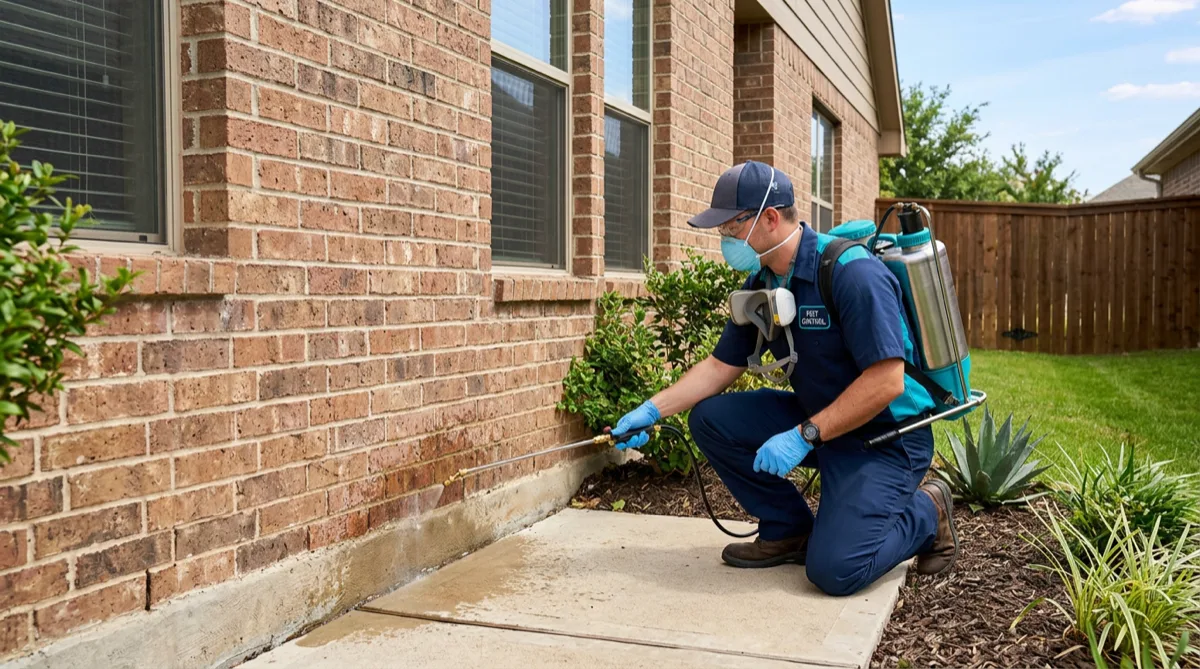
Termite Treatment Cost in Texas: What You’ll Actually Pay
Texas is one of the highest-risk states for termite infestations in the country. Subterranean termites — particularly Eastern Subterranean termites (Reticulitermes flavipes) and Formosan termites (Coptotermes formosanus) — are active across the state, with the highest pressure in East Texas, Houston, San Antonio, and coastal areas where warm temperatures and moisture create ideal conditions.
According to the University of Texas AgriLife Extension, termites cause more structural damage to homes in Texas each year than fire, flooding, and wind combined. Understanding treatment options and costs is essential for Texas homeowners.
Average Termite Treatment Cost in Texas (2026)
Treatment costs vary significantly by method, home size, and infestation severity:
| Treatment Type | Average Cost (2,000 sq ft home) | Duration |
|---|---|---|
| Liquid barrier (Termidor) | $800–$1,500 | 5–10 years |
| Bait station system | $1,200–$2,500 + annual monitoring | 1-year contract + annual |
| Fumigation (drywood only) | $1,500–$4,000 | One-time; re-treat if re-infested |
| Spot treatment (minor) | $300–$700 | Variable |
| Annual monitoring plan | $200–$400/year | Ongoing |
For a typical 2,000 sq ft home in Houston or San Antonio with a subterranean termite infestation, expect to pay $800–$2,000 for the initial treatment, plus $200–$400/year for ongoing monitoring and warranty coverage.
Texas Termite Species: Subterranean vs. Drywood
Knowing which termite species you’re dealing with affects the treatment approach:
Eastern Subterranean termites (most common): Live underground, build mud tubes to access wood above. Active across all of Texas. Treatment: liquid barrier (termiticide injection around foundation) or bait station monitoring systems. Liquid Termidor (fipronil) and Altriset are the most effective products; treatments last 5–10 years.
Formosan Subterranean termites (Gulf Coast, Houston area): More aggressive, larger colonies, faster structural damage than Eastern Subterranean. Same liquid and bait treatment methods apply, but Formosan infestations require more intensive treatment protocols. Houston has among the highest Formosan pressure in the country.
Drywood termites (South Texas, coastal areas): Live inside the wood they eat — no soil contact or mud tubes. Treatment: tent fumigation (whole-structure) or localized heat/spot treatments. Less common in Central and North Texas.
Liquid Barrier vs. Bait System: The Main Choice
Most Texas subterranean termite treatments use one of two approaches:
Liquid termiticide barrier (Termidor):
- Termiticide (fipronil or similar) is injected into the soil around the foundation perimeter to create a treated zone
- Termites pick up the active ingredient and spread it through the colony via contact (“transfer effect”)
- Most effective product available; kills colonies, not just individual termites
- Lasts 5–10 years in most Texas conditions; single treatment vs. annual fees
- Better for active infestations where fast colony elimination is the goal
Bait station system (Sentricon, Advance):
- Bait stations installed around the perimeter every 10–15 feet; monitored every 2–3 months
- Termites find bait, bring it back to colony, spread the active ingredient
- Slower to eliminate colonies than liquid treatment
- Annual contract required for monitoring; stations need ongoing service
- Better for prevention or lower-pressure infestation situations
Most pest control professionals recommend liquid Termidor for active infestations. The annual cost of bait monitoring ($200–$400) adds up over 10 years to more than a liquid treatment — and liquid treatment is faster and typically more effective.
Red Flags for Termite Activity
Look for these signs before getting an inspection:
- Mud tubes on foundation walls, crawl space joists, or concrete blocks — these are the subterranean termite’s highway between soil and wood
- Damaged wood that sounds hollow when tapped, or wood with a honeycomb interior visible through cracks or breaks
- Discarded wings (swarm debris) near windows, doors, or light fixtures — subterranean and drywood termites both swarm seasonally
- Termite droppings (frass) — small, pellet-like granules near wood; specific to drywood termites
- Tightening doors or windows — structural damage can shift framing enough to misalign openings
If you see any of these signs, schedule a professional inspection promptly. Termite damage is not covered by standard homeowners insurance — every month of delay is additional unreimbursed structural damage.
Getting an Accurate Termite Treatment Quote
Start with a licensed inspector. Texas pest control companies performing termite inspections and treatments must be licensed by the Texas Department of Agriculture (TDA). Verify license status at texasagriculture.gov before hiring.
Get 2-3 quotes. Treatment pricing varies. Get quotes from at least two licensed companies for the same scope and compare:
- Treatment method proposed
- Active ingredient (Termidor/fipronil preferred for subterranean)
- Linear footage of treatment area
- Warranty terms: what’s covered, for how long, and what triggers retreatment at no charge
Ask about the warranty retreatment clause. Most termite treatments come with a 1-5 year warranty that includes free retreatment if termites return within the warranty period. Understand what “return” means in the warranty: does it cover new swarms entering from outside, or only re-infestation of the original colony?
Inspect before you buy a home. A Wood Destroying Insect (WDI) report — the official termite inspection document in Texas — should be part of any home purchase inspection, especially in Houston, San Antonio, East Texas, and coastal markets. WDI reports cost $75–$150 and can reveal existing infestations or prior treatment history.
Find a licensed pest control professional in your Texas city through House Escort — homeowners use it for free.
Find a pest control pro near you → houseescort.com
Frequently Asked Questions
How much does termite treatment cost in Houston?
Termite treatment in Houston for a 2,000 sq ft home typically costs $800–$2,000 for a liquid Termidor treatment, or $1,200–$2,500 for a bait station system (plus $250–$400 annual monitoring). Houston has high Formosan termite pressure, which can require more intensive treatment protocols than other Texas cities. Always get at least 2 quotes from TDA-licensed companies.
What is the difference between liquid termite treatment and bait stations?
Liquid treatment injects termiticide (typically Termidor/fipronil) into the soil around the foundation, creating a long-lasting chemical barrier. Bait stations use slower-acting bait that termites carry back to the colony. Liquid Termidor is generally more effective for active infestations — it kills colonies faster and lasts 5–10 years without annual fees. Bait systems require ongoing annual contracts but are less invasive.
Does homeowners insurance cover termite damage in Texas?
Standard homeowners insurance does not cover termite damage in Texas. Termite damage is classified as a “gradual deterioration” or pest infestation — categories explicitly excluded from most policies. This makes prevention and annual monitoring even more important: you bear the full cost of any structural damage. Some companies offer termite warranties or separate termite insurance endorsements, but these are uncommon.
How long does a termite treatment last in Texas?
Liquid termiticide treatments (Termidor/fipronil) last 5–10 years in Texas’s soil conditions before the chemical concentration degrades below effective levels. Texas’s heat and rain accelerate degradation compared to cooler climates. Bait station systems provide protection as long as monitoring contracts are maintained and active bait is present. Most treatments include a warranty period (1–5 years) with free retreatment if termites return.
How can I tell if I have subterranean or drywood termites?
Subterranean termites build mud tubes — small, narrow tubes of soil and wood particles running along foundations, concrete, and wood surfaces. They require soil contact. Drywood termites live entirely within the wood they consume, leaving frass (pellet-like droppings) near infested areas and no mud tubes. Treatment approaches differ significantly: subterranean termites respond to soil barriers and bait; drywood termites typically require fumigation or heat treatment.