Sewer Line Repair Cost in Texas
House Escort Team
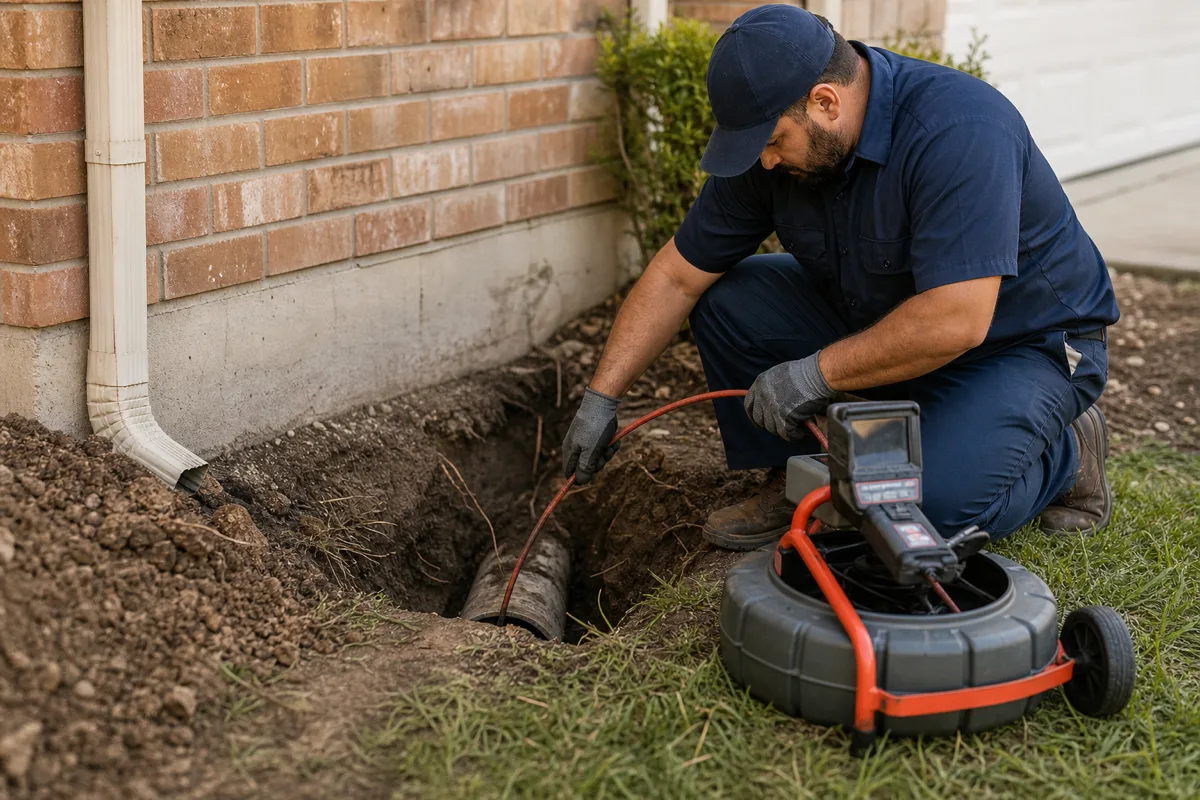
Sewer line problems are among the most stressful — and expensive — home repairs a Texas homeowner can face. They’re hidden underground, they often announce themselves with the worst possible symptoms (sewage backups, yard odors), and the cost range is enormous depending on what’s wrong.
Here’s what Texas homeowners should know about sewer line repair and replacement costs.
Sewer Line Repair Cost in Texas: Overview
Spot repair (1–2 ft section): $1,500–$3,000 Partial line repair (section replacement): $3,000–$6,000 Full line replacement (traditional trenching): $6,000–$15,000+ Trenchless sewer repair (pipe lining/bursting): $4,000–$12,000 Camera inspection: $200–$400
Costs vary significantly by depth, access, soil conditions, length of line, and method used. Texas’s expansive clay soils and old cast iron pipes in older neighborhoods are key drivers of sewer problems here.
Common Sewer Line Problems in Texas
Root intrusion: Texas has abundant trees — live oaks, elms, pecans — with root systems that seek water. Clay joints in older sewer lines are particularly vulnerable. Roots cause partial blockages that worsen over time into complete obstructions.
Cast iron pipe corrosion: Older Texas homes (particularly pre-1970s) often have cast iron sewer lines that corrode, scale up, and eventually collapse. This is prevalent in Dallas, Fort Worth, Houston, and San Antonio neighborhoods with older housing stock.
Bellied pipe (sag): Texas’s expansive clay soils shift seasonally, causing pipes to develop low spots (“bellies”) where waste accumulates. Bellies cause slow drains and recurring backups.
Joint separation: Ground movement causes pipe joints to separate, creating gaps where roots enter and waste leaks into the surrounding soil.
Collapsed pipe: Severely deteriorated or crushed sections require excavation and replacement.
Trenchless vs. Traditional Sewer Repair
Traditional trenching involves excavating a trench along the sewer line to expose and replace the pipe. Disrupts landscaping, driveways, and potentially interior flooring. Lower equipment cost but higher labor and restoration cost.
Trenchless pipe lining (CIPP — Cured in Place Pipe): A flexible liner is inserted into the existing pipe and cured to form a new pipe within the old one. No excavation required. Works well for pipes with root intrusion, corrosion, and some joint issues but doesn’t work for collapsed sections.
Pipe bursting: A head is pulled through the existing pipe, fracturing it outward while simultaneously pulling new HDPE pipe through. Works well for older clay and cast iron pipes. Trenchless. Requires access at both ends.
When trenchless isn’t an option: Severely collapsed sections, bellied pipe (the liner has nothing to seal against in a sag), and certain access constraints require traditional excavation.
Texas Soil Factors
Texas’s highly expansive clay soils (particularly in the Dallas-Fort Worth Metroplex and Central Texas) create above-average sewer line risk. These clays shrink dramatically during drought (causing pipe movement and joint separation) and expand when wet (creating pressure on pipe walls). The National Association of Home Builders identifies Texas among the highest-risk states for foundation and sewer line movement due to expansive soils.
Sewer Camera Inspection: Get One Before You Buy a House
A sewer camera inspection — where a camera is run through the sewer line to inspect its interior — is a critical add-on for home buyers in Texas, especially for older homes. For $200–$400, you learn:
- Root intrusion extent
- Pipe material (cast iron signals higher future repair risk)
- Existing damage or bellies
- Approximate remaining useful life
Many Texas buyers in older Dallas, Houston, and San Antonio neighborhoods have negotiated repair credits or walked away from deals based on camera inspection findings.
Find qualified Texas plumbing and sewer repair contractors at House Escort.
Also see: Texas water heater replacement signs for other major plumbing system considerations.
FAQ
How do I know if I have a sewer line problem in Texas?
Warning signs include: recurring drain backups in multiple fixtures simultaneously, sewage odors in your yard or near the home’s foundation, unusually lush/green patches of grass over the sewer line (feeding on leaking waste nutrients), or slow drains throughout the house that don’t respond to standard drain cleaning. Any of these warrant a camera inspection.
Does homeowner’s insurance cover sewer line repair in Texas?
Standard Texas homeowner’s policies (HO-3) typically do NOT cover sewer line repair or replacement. Sewer line issues are generally classified as maintenance or wear and tear, which is excluded. Some policies offer optional sewer line endorsements (riders) for an additional premium — check your policy. Separate service line insurance (from companies like American Family or Home Warranty providers) is available.
How long does sewer line replacement take in Texas?
Traditional trench-and-replace sewer line replacement typically takes 1–3 days for the plumbing work. Trenchless pipe lining or bursting can often be completed in 1 day. Restoration of landscaping, driveways, or interior flooring (if the line runs under the slab) is separate and may take additional days.
What is the lifespan of different sewer pipe materials?
Cast iron pipes: 50–100 years (common in pre-1970 Texas homes, many now at or past end of life). Clay tile pipes: 50–60 years (frequently root-invaded). PVC: 100+ years (modern standard). ABS: 50–70 years. If your Texas home was built before 1980, a camera inspection tells you what you’re working with.
Can tree roots really destroy a sewer line in Texas?
Yes — root intrusion is one of the most common sewer line failure modes in Texas. Texas’s large native and ornamental trees (live oak, pecan, elm, hackberry) have extensive root systems that detect moisture from sewer pipe joint leaks. Roots grow through joints, expand over years, and can cause complete blockages. Regular camera inspections (every 5–7 years for older homes with trees near the sewer line) catch root intrusion early before it causes full blockage.