How Texas Roofers Stay Busy in Slow Season
House Escort Team
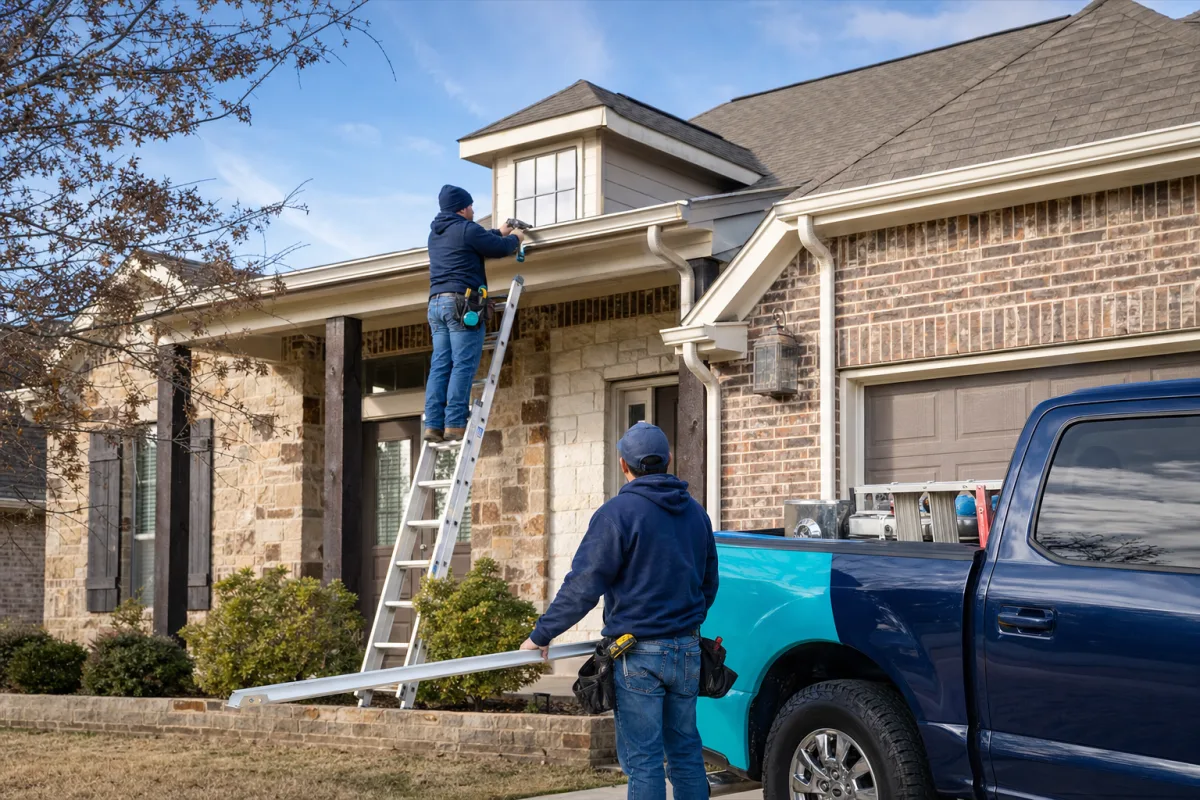
Texas roofing companies experience pronounced seasonality. Peak demand follows spring hail storms and summer wind events, while November through February often brings slower periods. Smart contractors treat the off-season as an opportunity to diversify revenue, strengthen operations, and position for the next busy cycle.
Rather than laying off crews or accepting low-margin repair work, successful Texas roofers build maintenance programs, expand into complementary trades, and leverage platforms like House Escort for consistent lead flow during traditionally quiet months.
Diversify Into Gutters, Siding, and Repairs
Gutter cleaning, repair, and replacement remain in demand year-round in Texas. Fall leaf drop and spring pollen create recurring service needs. Adding gutter installation to your offerings captures work when roof replacements slow.
Siding repairs and replacements also generate steady revenue. Texas sun, hail, and occasional freezes damage fiber cement, wood, and vinyl siding. Crews already skilled at exterior work can pivot to siding projects with minimal additional training.
Small roof repairs, skylight replacements, and attic insulation upgrades fill calendar gaps. These jobs require the same licensing and insurance as full replacements but often face less competition during slow months.
Many Texas roofers report that gutter and siding work together can represent 25-35% of annual revenue when actively marketed. The National Roofing Contractors Association (NRCA) encourages members to develop these adjacent service lines for business stability.
Launch Maintenance Contract Programs
Recurring maintenance contracts provide predictable monthly revenue. Offer homeowners annual or semi-annual roof inspections, debris removal, sealant checks, and minor repair allowances for a fixed fee.
Texas HOAs and commercial property managers particularly value predictable maintenance budgets. Position your contracts as insurance against emergency leaks during heavy spring rains.
Structure contracts with clear scope, response time guarantees, and discounted repair rates. Use digital scheduling tools to batch inspections by neighborhood, reducing windshield time and increasing daily capacity.
Homeowners who sign maintenance agreements often become your strongest referral sources when they eventually need replacement work.
Market Aggressively During Downtime
Slow season offers the perfect window for marketing that busy roofers neglect. Update your Google Business Profile with fresh photos of completed projects. Record video case studies of recent gutter or siding work.
Run targeted Google and Facebook ads promoting “winter maintenance specials” or “pre-spring inspections.” Texas homeowners respond to value messaging when they see less roof activity in their neighborhoods.
Door-to-door canvassing works better in mild Texas winters than during 100-degree summers. Train sales teams on maintenance contract pitches rather than full replacement urgency.
Email your existing customer database with seasonal tips and contract offers. Past customers already trust your workmanship and represent the highest-conversion audience.
Build a Referral Pipeline
The strongest off-season lead source remains referrals from real estate agents, property managers, and insurance adjusters. Invest relationship time during slow months.
Host a lunch-and-learn for local agents about common Texas roof issues that surface during home inspections. Provide them with one-page checklists they can share with clients.
Partner with property management companies that oversee rental portfolios across Houston, Austin, Dallas, and San Antonio. These firms need reliable roofers for tenant turnover repairs and capital improvement projects.
Join local chambers and BNI chapters. Consistent networking during the slow season positions you as the go-to roofer when spring storms arrive and homeowners search urgently.
Invest in Crew Training and Equipment
Winter provides ideal conditions for manufacturer training on new roofing systems, safety certifications, and sales skills. Send lead technicians to NRCA or GAF training events without losing peak-season production.
Use downtime for equipment maintenance. Inspect trucks, trailers, compressors, and safety gear. Replace worn fall protection before busy season demand spikes prices and lead times.
Review job costing data from the previous year. Identify which services delivered the best margins and which required too much rework. Adjust pricing and processes before the next rush.
Cross-train crews on gutter and siding installation so every team can handle multiple project types. This flexibility prevents layoffs when roof work dips.
Leverage House Escort for Steady Off-Season Leads
House Escort delivers homeowner requests directly to licensed pros without per-lead fees. During slow months, the platform’s steady flow of maintenance, gutter, and repair jobs helps Texas roofers maintain crew utilization and cash flow.
Many contractors report that House Escort fills 15-25% of their slow-season capacity with jobs they would otherwise miss. The subscription model aligns incentives: you keep 100% of project revenue while the platform focuses on homeowner matching.
List your full service menu including gutters, siding, and maintenance so the platform routes relevant requests your way. Update your profile with winter availability and response time commitments.
Financial Planning for Seasonal Cash Flow
Build a reserve fund during peak months to cover payroll and overhead during slower periods. Aim for three months of operating expenses in a dedicated account.
Review your line of credit and insurance renewals during the slow season when you have time for paperwork. Lock in favorable rates before spring demand increases.
Consider equipment financing or leasing options that spread payments across the year rather than concentrating them during peak production.
Frequently Asked Questions
How much revenue should come from non-roof work?
Established Texas roofing companies typically aim for 20-40% of annual revenue from gutters, siding, and maintenance. This diversification protects against weather-dependent roof replacement cycles.
Should I reduce crew size in winter?
Retaining core crews preserves institutional knowledge and avoids rehiring and retraining costs each spring. Use the time for training and cross-skilling so every worker contributes to diversified services.
What marketing works best in Texas winters?
Digital ads targeting “gutter cleaning near me” and “roof inspection” perform well. Direct mail to neighborhoods with aging roofs also generates steady response when homeowners see fewer competing offers.
How do I convince homeowners to sign maintenance contracts?
Emphasize prevention of emergency leaks during spring storms, priority scheduling, and locked-in pricing. Provide sample inspection reports showing issues caught early before they become expensive repairs.
Does House Escort work for roofers in smaller Texas towns?
Yes. The platform serves homeowners across Texas metro areas and surrounding suburbs. Roofers in College Station, Waco, Tyler, and Lubbock report consistent lead flow for both replacement and maintenance work.
List your business on House Escort →
Word count: approximately 1,310