How to Prepare Your House for Pest Control
House Escort Team
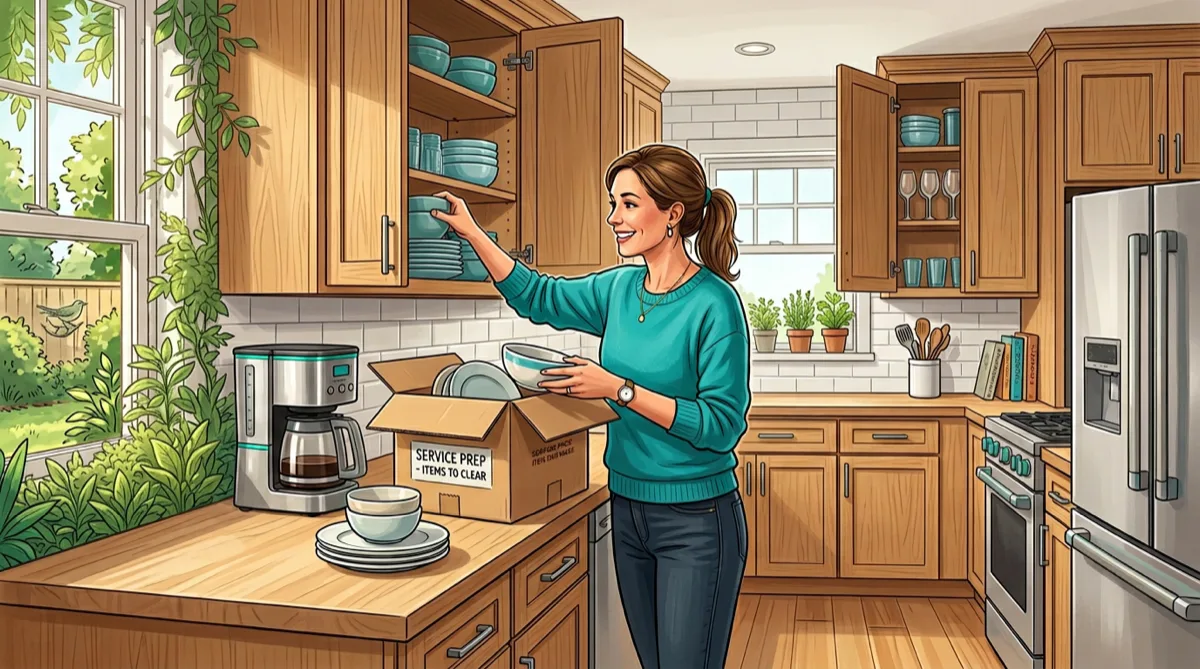
Pest control treatments are most effective — and safest for your family and pets — when the home is properly prepared before the technician arrives. Most pest control companies provide a preparation checklist, but many homeowners don’t read it carefully or don’t have time to act on it.
This guide gives you a practical room-by-room preparation checklist along with what to expect during and after treatment.
Why Preparation Matters
Proper preparation does three things:
-
Improves treatment effectiveness: Pest control products need direct access to surfaces and harborage areas. Cluttered counters, full cabinets, and inaccessible spaces reduce product penetration and coverage.
-
Protects your household: Removing or covering food, dishes, and pet items reduces exposure to treatment products. Vacating pets prevents direct product contact.
-
Protects the technician: Clear access to baseboards, cabinets, and wall voids reduces physical obstacles and ensures the technician can treat efficiently.
What you’re asked to do will vary based on the treatment type — general pest prevention, roach or ant treatment, bed bug treatment, and termite treatment all have different requirements. Your pest control company will give you specific instructions. This checklist covers general interior pest treatments, the most common type.
Kitchen Preparation
The kitchen requires the most preparation for interior pest treatments:
- Clear all countertops of food, small appliances, and any items that will be in the way of baseboards and under-cabinet areas
- Empty and open all lower cabinets — the technician will treat the interior of base cabinets, especially around the sink
- Remove items from under the sink and nearby lower cabinets
- Store all open food in sealed containers or the refrigerator
- Move the refrigerator and stove slightly away from the wall if possible, or be prepared to do so during the visit
- Cover or remove pet food bowls and water dishes
After treatment, don’t put items back in cabinets until the treatment has dried — typically 1–2 hours for standard water-based products.
Bathroom Preparation
- Clear items from under bathroom sinks
- Remove personal care products from countertops if treatment will reach counter areas
- Cover or store toothbrushes, soap, and personal items
Living Areas and Bedrooms
For general pest treatment:
- Clear baseboards of furniture that can be moved — pull sofas and beds a few inches from the wall
- Remove items stored under beds if they block baseboard access
- Pick up pet toys and pet bedding from floors
For bed bug treatment specifically, preparation is substantially more involved — your pest control company will provide detailed instructions that include laundering linens, emptying dressers, and typically bagging clothing.
Pets and Children
Pets: Remove all pets — including fish tanks if using fumigation or heavy spray — from the treatment area for the duration of the treatment and the drying period (typically 2–4 hours for water-based sprays, longer for oil-based products). Ask your pest control company specifically about their product’s requirements.
Bird cages: Birds are particularly sensitive to pesticide products. Remove or cover bird cages and ventilate the area before returning birds.
Fish tanks: For most spray treatments, covering the fish tank and turning off the air pump (which draws air into the water) for the treatment period is sufficient. For fumigation, full tank relocation may be necessary.
Children: Keep children out of treated areas until surfaces are dry. Most standard treatment products are safe for re-entry within 2–4 hours.
Before the Technician Arrives
Access points: Ensure the technician has access to your garage, crawlspace, or attic if treatment includes those areas. Move vehicles from the garage if needed.
Clutter: De-cluttering the perimeter of rooms is more important than deep cleaning. The goal is access, not aesthetics.
Communicate: Tell the technician about specific problem areas — where you’ve seen the most activity, any recent sightings, anything you know about entry points. This helps them focus treatment effectively.
During the Treatment
Most interior pest treatments take 30 minutes to 2 hours depending on home size and treatment scope. You’ll typically be asked to vacate the home during treatment. Use the time for errands.
Resist the urge to hover during the technician’s work. Your job was the preparation — theirs is the treatment.
After the Treatment
- Wait for dry time: Most water-based spray products require 1–4 hours of drying time before re-entry. Your technician will tell you the specific wait time.
- Ventilate: Open windows for 15–30 minutes after re-entry to air out any product odor.
- Don’t clean treated surfaces immediately: Products applied to baseboards and surfaces work for days to weeks. Mopping or wiping treated areas immediately removes the product before it can work. Ask your technician how long to wait before cleaning.
- Expect to see some pest activity for a few days: Treated insects often appear more active as they’re affected by product. This is normal and part of how the treatment works.
Finding a Reliable Pest Control Company in Texas
Texas has significant pest pressure — from cockroaches and fire ants to termites and seasonal rodents. A professional pest control company should:
- Be licensed with the Texas Department of Agriculture (required for all commercial pest control)
- Explain what products they use and their safety profile
- Provide a written preparation checklist before the visit
- Offer warranty or follow-up treatment if the issue persists
House Escort lists licensed, verified pest control professionals with reviews from homeowners in your area.
Find Pest Control Pros Near You →
Frequently Asked Questions
How far in advance should I prepare my house before pest control?
Most preparation can be done the morning of the treatment. For larger homes or more involved treatments (bed bugs, termites), start the day before. Your pest control company will tell you the preparation timeline in their confirmation instructions.
Do I need to leave my house during pest control treatment in Texas?
For most interior spray treatments, yes — the technician will ask you to vacate during application and for a drying period afterward (typically 1–4 hours). For exterior-only treatments, you may not need to leave the home. Confirm with your technician.
How long should I wait to clean after pest control treatment?
Wait at least 24–48 hours before mopping or wiping treated surfaces, especially baseboards and under-sink areas. Cleaning immediately removes product before it can work. Ask your technician specifically about the products used and their recommended waiting period.
Are pest control products safe for pets after they dry?
Most standard water-based pest control products are pet-safe once fully dried (typically 2–4 hours). Essential oil-based products are generally safer than synthetic pyrethroids. Always ask your pest control company to specify product safety information for pets, especially birds and cats, which can be more sensitive.
Why do I still see bugs after pest control treatment?
It’s common to see increased pest activity for 1–7 days after treatment as insects encounter product. This doesn’t mean the treatment failed — it often means it’s working. If activity continues beyond two weeks without decreasing, contact your pest control company for a follow-up inspection.