Accurate Estimating Guide for Texas Painting Contractors
House Escort Team
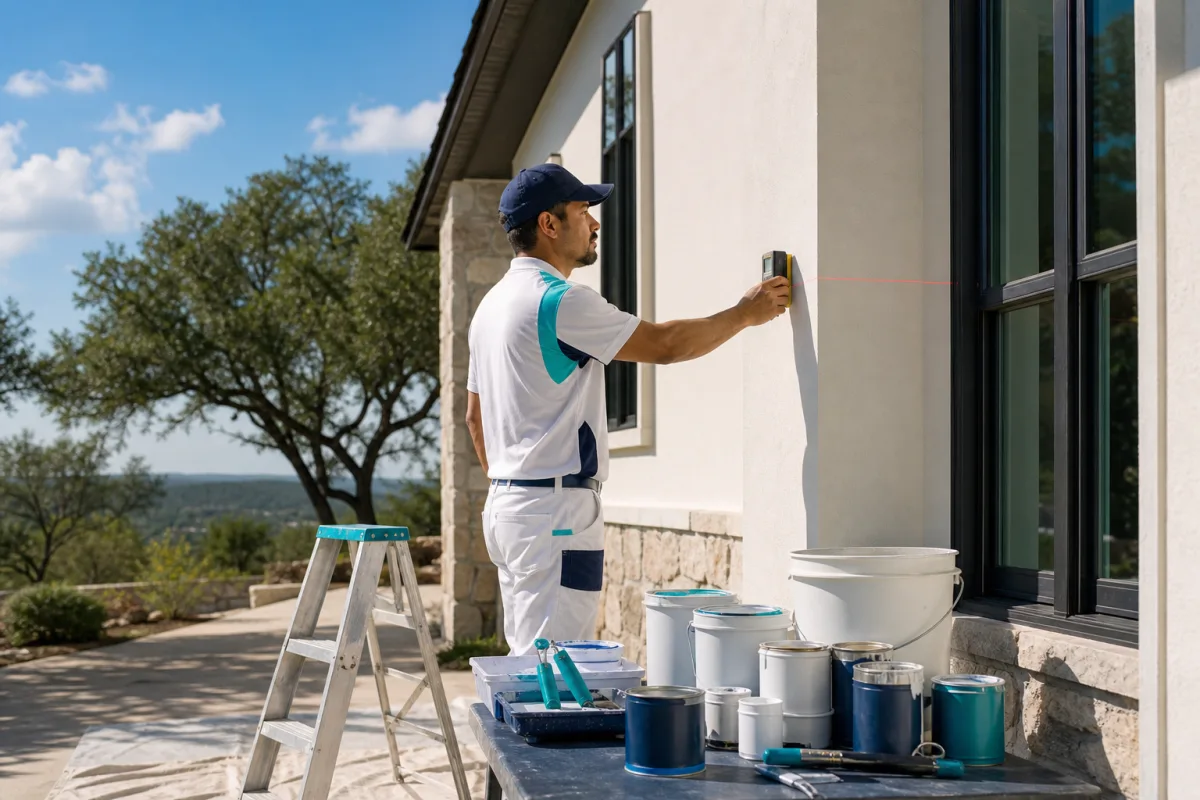
Accurate estimating separates profitable Texas painting contractors from those who struggle with thin margins or losing bids. Whether you use square footage pricing or detailed hour-based calculations, understanding material coverage, labor rates, and Texas-specific scheduling factors is essential for consistent profitability.
This guide provides practical frameworks Texas painting contractors use to create accurate, competitive proposals that protect margins while winning quality work.
Square Footage Method vs. Hour-Based Estimating
Most residential painting contractors use a hybrid approach combining square footage pricing for walls and ceilings with hour-based calculations for trim, doors, and specialty work.
Square footage method works well for large, open interior spaces and exterior walls. Measure wall area by length times height, subtract openings, then apply a price per square foot.
Hour-based estimating provides better accuracy for detailed work like crown molding, wainscoting, and multi-color schemes. Track your crew’s actual production rates over multiple jobs to build reliable benchmarks.
Many successful contractors develop standardized pricing sheets that blend both methods, allowing quick yet accurate quotes while accounting for job complexity.
Calculating Paint Coverage Accurately
Standard paint coverage is approximately 350-400 square feet per gallon for one coat on properly prepared surfaces. However, Texas conditions often require adjustments.
Factors affecting coverage in Texas:
- Porous surfaces like new drywall or stucco may absorb more paint
- Dark color changes typically require additional coats
- High humidity can affect drying and application thickness
- Exterior wood siding often needs more product than smooth surfaces
Always calculate for two coats on color changes and add 10-15% waste factor for trim and cut-in work. Never assume one gallon covers 400 square feet on every project.
Material Cost Markup Strategies
Texas painting contractors typically apply 40-50% markup on paint and materials to cover handling, waste, and profit. This markup should account for:
- Paint, primer, and specialty coatings
- Brushes, rollers, tape, and drop cloths
- Equipment rental or depreciation
- Delivery charges and material handling time
Some contractors use a lower markup on high-volume commodity paint and higher margins on specialty finishes or primers. Track your actual material costs against estimates to refine markup percentages over time.
Labor Rates by Project Type
Texas labor rates vary significantly by project type and location. Use these ranges as starting points and adjust based on your market and crew efficiency:
Interior painting: $1.50-$3.50 per square foot for standard wall and ceiling work. Higher rates apply for detailed trim work, textured ceilings, or multi-story homes.
Exterior painting: $1.75-$4.00 per square foot including preparation and caulking. Rates increase for two-story homes, extensive prep work, or specialty coatings.
Cabinet refinishing: Often priced per linear foot or per door rather than square footage due to the detailed nature of the work.
Drywall texture and repair: Separate line items that should reflect the skill level required and material costs.
Your actual labor cost per square foot depends on crew size, experience level, and equipment. Track hours per job type to develop your own production rates.
Texas Heat and Humidity Scheduling Considerations
Texas summers present unique challenges for exterior painting. High temperatures and humidity affect paint application, drying times, and final finish quality.
Best practices for Texas exterior work:
- Schedule exterior painting for early morning or late afternoon during summer months
- Avoid painting when surface temperatures exceed manufacturer recommendations (typically 90°F+)
- Factor in additional drying time between coats during humid periods
- Plan for potential weather delays during spring and fall storm seasons
Many Texas contractors shift more exterior work to fall, winter, and early spring when temperatures are more favorable. This scheduling strategy helps maintain quality and reduces callbacks.
Building Effective Proposal Templates
Consistent proposal templates improve accuracy and professionalism. Include these elements in every bid:
- Clear scope of work with surface preparation details
- Material specifications including brand and sheen
- Number of coats and color change notes
- Timeline and payment schedule
- Warranty information
- Change order procedures
Digital proposals with itemized pricing allow homeowners to understand exactly what they are paying for and make it easier to upsell additional services like drywall repair or carpentry work.
Common Estimating Mistakes That Kill Margin
Even experienced contractors fall into these traps:
Underestimating preparation time — Surface preparation often takes longer than actual painting. Always inspect thoroughly before quoting.
Ignoring access challenges — Two-story homes, vaulted ceilings, and tight spaces require more time and equipment than standard work.
Failing to account for color changes — Dark to light or light to dark changes almost always require additional coats and primer.
Not including contingency — Add 5-10% for unforeseen issues like hidden damage or additional prep discovered during the job.
Pricing too low to win bids — Consistently winning on price alone erodes margins and attracts difficult clients. Focus on value and quality instead.
Tracking Actual Costs for Continuous Improvement
The most accurate estimating comes from analyzing completed jobs. Track actual material usage, labor hours, and any change orders for every project. Compare these numbers against your estimates to identify patterns and refine your pricing over time.
Texas painting contractors who invest in accurate estimating systems enjoy healthier margins, fewer disputes, and the ability to scale their businesses with confidence.
Frequently Asked Questions
How do I handle change orders during a painting project? Document any scope changes in writing with client approval before proceeding. Include the additional cost and timeline impact.
What should I include in my warranty? Most Texas painters offer 1-2 year warranties on workmanship and pass through manufacturer warranties on paint. Be specific about what is covered.
How do I price for textured or popcorn ceilings? These surfaces require more time and material. Many contractors charge 50-100% more than standard ceiling work or price by the square foot with a minimum.
Should I offer financing options? Many Texas painting contractors partner with financing companies to offer payment plans, which can increase close rates on larger exterior projects.
How often should I update my pricing? Review and adjust pricing at least quarterly to account for material cost changes and market conditions in your specific Texas region.