HVAC Maintenance Checklist: Save Money All Year
House Escort Team
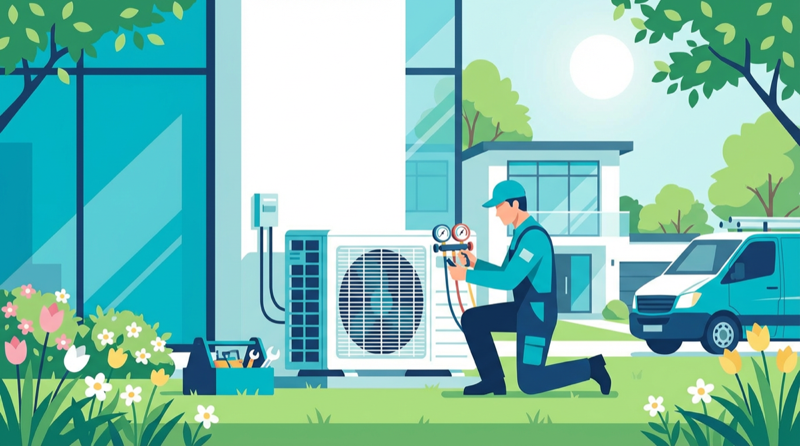
Your HVAC system is one of the hardest-working and most expensive pieces of equipment in your home. Replacing a central air conditioner or furnace can run anywhere from $5,000 to $12,000 or more, depending on the system and region. The good news is that consistent maintenance can extend the life of your equipment by years, cut your energy bills by up to 15%, and dramatically reduce the odds of a breakdown on the hottest or coldest day of the year.
This checklist breaks maintenance into four seasonal blocks so you always know what to do and when to do it.
Spring: Prepare Your Air Conditioning
Spring is the time to get your cooling system ready before the first heat wave hits. Waiting until you need the AC to discover it is broken means competing with every other homeowner in your area for a service appointment.
DIY Tasks
- Replace or clean air filters. This single step has the biggest impact on efficiency. A clogged filter restricts airflow, forces the system to work harder, and drives up energy costs. Check filters monthly and replace them every 60 to 90 days, or more often if you have pets.
- Clear debris from the outdoor condenser unit. Remove leaves, branches, grass clippings, and anything else within two feet of the unit. Trim back vegetation that has grown too close over the winter.
- Clean supply and return vents inside the home. Vacuum dust and pet hair from vent covers. Make sure furniture, curtains, and rugs are not blocking airflow.
- Test the thermostat. Switch to cooling mode and verify the system kicks on and reaches the set temperature. If you have a programmable thermostat, update schedules for warmer weather.
- Inspect visible ductwork for gaps or disconnections. Look in the attic, basement, and crawl spaces for ducts that have pulled apart at seams or show signs of damage.
Professional Tasks
- Schedule an annual AC tune-up. A qualified HVAC technician will check refrigerant levels, test electrical connections, clean the evaporator and condenser coils, lubricate moving parts, and calibrate the thermostat.
- Have ductwork inspected for leaks. The Department of Energy estimates that leaky ducts can reduce system efficiency by up to 30%.
Summer: Monitor and Optimize
With the AC running daily, summer is about monitoring performance and catching small problems before they become big ones.
- Check air filters monthly. During heavy-use months, filters clog faster.
- Monitor energy bills for unusual spikes. A sudden increase in cooling costs without a change in usage patterns can signal a failing component.
- Keep the condensate drain line clear. Pour a cup of distilled white vinegar through the drain line every few months to prevent algae buildup and clogs that can cause water damage.
- Do not close vents in unused rooms. This is a common myth. Closing vents increases pressure in the duct system and can damage the blower motor over time.
- Set ceiling fans to rotate counterclockwise. This creates a wind-chill effect that lets you raise the thermostat by 3 to 4 degrees without sacrificing comfort.
Fall: Prepare Your Heating System
Before temperatures drop, switch your attention from cooling to heating. Fall maintenance ensures your furnace, heat pump, or boiler is ready for the cold months ahead.
DIY Tasks
- Replace the air filter again. Start the heating season with a clean filter.
- Test the heating system before you need it. Switch the thermostat to heating mode and let the system run for at least 15 minutes. A brief burning smell on first startup is normal as dust burns off, but anything persistent warrants a professional inspection.
- Check carbon monoxide detectors. Replace batteries and test each unit. If your detectors are more than seven years old, replace them entirely.
- Seal drafts around windows and doors. Apply weatherstripping or caulk to gaps. This reduces the workload on your heating system and lowers energy bills.
- Reverse ceiling fan direction to clockwise. On a low setting, this pushes warm air that collects near the ceiling back down into the room.
Professional Tasks
- Schedule an annual furnace or heat pump inspection. A technician will check the heat exchanger for cracks (a carbon monoxide risk), test the ignition system, inspect the flue, and verify safe operation.
- Have the chimney and flue inspected and cleaned if you use a gas furnace or fireplace.
Winter: Protect and Prevent
During the coldest months, your focus shifts to protecting the system and preventing weather-related damage.
- Keep outdoor heat pump units clear of snow and ice. Brush off accumulation gently — do not chip at ice with sharp tools.
- Maintain a consistent thermostat setting. Drastic temperature swings force the system to work harder. Setting the thermostat to 68 degrees while home and 62 to 65 degrees while sleeping balances comfort and efficiency.
- Insulate exposed pipes in unheated areas. Frozen pipes can burst and cause thousands of dollars in water damage. Pipe insulation sleeves are inexpensive and easy to install.
- Never block vents with holiday decorations, furniture, or storage. Restricted airflow strains the system and creates uneven heating.
- Monitor humidity levels. Winter air tends to be dry. A whole-home humidifier or portable units help maintain 30% to 50% relative humidity, which improves comfort and protects wood floors and furniture.
How Often Should You Schedule Professional HVAC Service?
At minimum, have your system professionally serviced twice a year — once in spring for cooling and once in fall for heating. If your system is more than 10 years old, consider scheduling quarterly check-ins. Many HVAC companies offer maintenance plans that include priority scheduling, discounted repairs, and regular inspections at a fixed annual cost.
Signs Your HVAC System Needs Immediate Attention
Do not wait for the next scheduled service if you notice any of these warning signs:
- Unusual noises — banging, squealing, grinding, or rattling.
- Weak or inconsistent airflow from vents.
- Frequent cycling — the system turns on and off repeatedly without reaching the set temperature.
- Visible ice on refrigerant lines or the outdoor unit during cooling season.
- A spike in energy costs without a change in usage.
- Strange smells — musty odors may indicate mold in the ducts, while a rotten egg smell from a gas furnace requires immediate evacuation and a call to your gas company.
Find a Trusted HVAC Professional
Regular maintenance is only as good as the technician performing it. A certified, experienced HVAC pro will catch issues that DIY checks miss and keep your system running at peak efficiency.
Find HVAC professionals near you on House Escort. Compare profiles, read reviews from real homeowners, and connect directly with local pros — no lead fees, and professionals keep 100% of their earnings.
Frequently Asked Questions
How often should I have my HVAC system professionally serviced?
Schedule professional maintenance at least once per year — ideally twice, with a heating check in fall and a cooling check in spring. Annual service catches worn parts, dirty components, and efficiency issues before they cause breakdowns. Most HVAC failures happen because of deferred maintenance that a routine inspection would have caught.
What does a typical HVAC maintenance visit include?
A professional HVAC tune-up includes inspecting and cleaning the burner or heat exchanger, checking refrigerant levels, testing thermostat calibration, lubricating moving parts, inspecting ductwork for leaks, cleaning or replacing filters, and testing safety controls. The technician should provide a written report of findings and any recommended repairs.
How often should I change my HVAC filter?
Standard 1-inch filters should be replaced every 30 to 90 days depending on usage, pets, and indoor air quality. Thicker 4-inch or 5-inch media filters can last 6 to 12 months. A dirty filter restricts airflow, forces the system to work harder, increases energy costs, and can shorten the life of your equipment.
Can regular HVAC maintenance lower my energy bills?
Yes. A well-maintained HVAC system operates 15–25% more efficiently than a neglected one. Clean coils, proper refrigerant levels, sealed ductwork, and calibrated thermostats all contribute to lower energy consumption. The cost of annual maintenance is typically recovered through energy savings within the first year.
How do I find a qualified HVAC technician?
Look for technicians with EPA certification for refrigerant handling and NATE certification for technical competency. Check reviews from previous customers, verify insurance coverage, and ask about experience with your specific system type. Platforms like House Escort let you compare HVAC professionals by reviews, services, and qualifications in one place.