How to Hire a Reliable Roofer: Expert Tips
House Escort Team
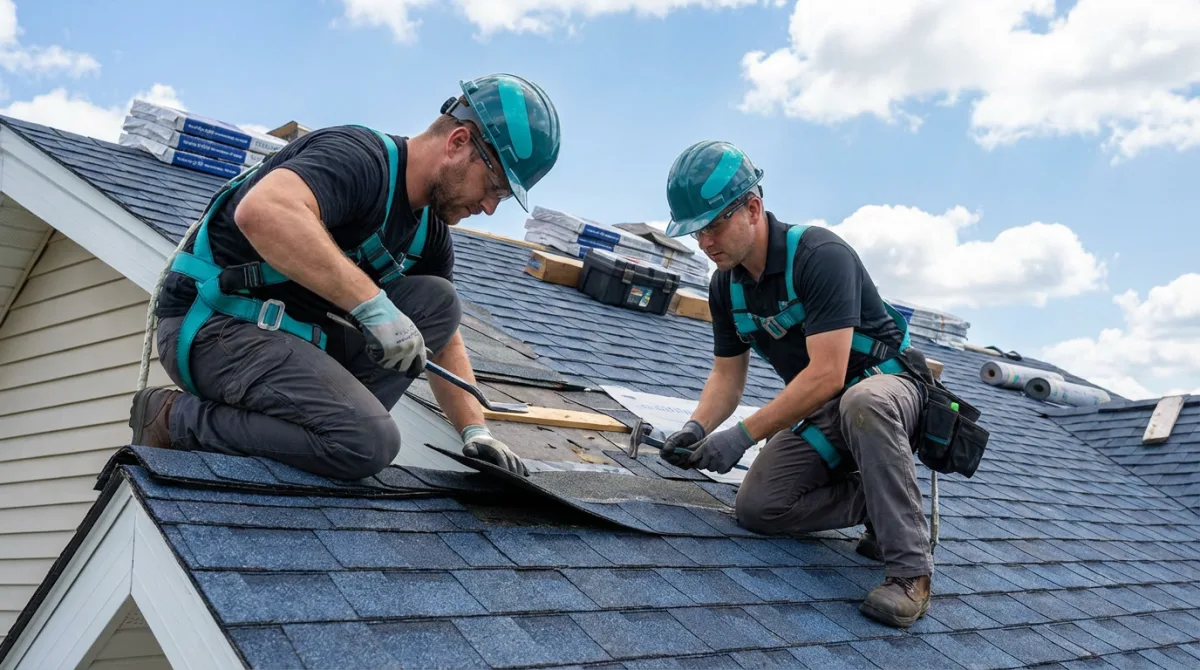
How to Hire a Reliable Roofer: Expert Tips
Knowing how to hire a reliable roofer can save you thousands of dollars and months of headaches. Your roof is the single most critical system protecting your home — and a bad roofing job doesn’t just waste money, it can lead to water damage, mold, and structural problems that snowball fast.
Whether you need a full roof replacement, storm damage repair, or routine maintenance, this guide walks you through every step of finding, vetting, and hiring a roofer you can trust.
Why Hiring the Right Roofer Matters
Roofing is one of the most common sources of contractor complaints in the United States. Storm chasers, unlicensed crews, and fly-by-night operations flood the market after every hail event or hurricane — especially in states like Texas, where severe weather is a regular occurrence.
A reliable roofer does more than nail down shingles. They assess the full condition of your roof deck, ensure proper ventilation, install flashing correctly, and stand behind their work with a meaningful warranty. The wrong roofer cuts corners you won’t see until the first heavy rain.
Step 1: Verify Licensing and Registration
Licensing requirements for roofers vary by state and sometimes by city. In Texas, there’s no state-level roofing license, but many cities — including Houston, Dallas, Austin, and San Antonio — require local registration or permits. In other states, roofers must hold a state contractor license.
What to check:
- Ask for their license or registration number and verify it with your city or state licensing board
- Confirm the business is registered with the Secretary of State
- Look for any complaints filed with the Better Business Bureau or your state attorney general’s office
A legitimate roofer will never hesitate to share their credentials. If they dodge the question or say “we don’t need a license,” walk away.
Step 2: Confirm Insurance Coverage
This is the most important step most homeowners skip. A roofer without proper insurance puts you at financial risk.
Require proof of:
- General liability insurance — Covers damage to your property during the job (e.g., a worker drops a tool through your skylight)
- Workers’ compensation insurance — Covers injuries to workers on your property. Without this, you could be liable if a roofer falls off your roof
Don’t just accept a certificate of insurance at face value. Call the insurance company directly to verify the policy is current and covers the scope of work being performed.
Roofing is inherently dangerous work. According to OSHA, falls from roofs account for a significant portion of construction fatalities each year. Workers’ comp isn’t optional — it’s essential.
Step 3: Understand the Difference Between Storm Damage and Maintenance
Not every roof problem is storm damage, and the distinction matters because it determines whether your homeowner’s insurance will cover the repair.
Storm damage includes:
- Hail impacts that crack or dislodge shingles
- Wind damage that lifts or tears off roofing material
- Fallen tree limbs that puncture the roof
- Ice dams that force water under shingles
Maintenance issues include:
- Normal wear and aging (curling, granule loss)
- Moss or algae growth
- Damaged flashing around vents or chimneys from age
- Clogged gutters causing water backup
A trustworthy roofer will give you an honest assessment. If your roof is 18 years old and naturally wearing out, a good roofer won’t coach you to file a fraudulent insurance claim — that’s a red flag and potentially illegal.
If you’re unsure whether an issue is maintenance-related, our guide on home maintenance tasks that prevent costly repairs can help you stay ahead of common problems.
Step 4: Get Multiple Estimates (At Least Three)
Never hire the first roofer who knocks on your door. Get at least three written estimates and compare them carefully.
A proper roofing estimate should include:
- Scope of work (tear-off vs. overlay, full replacement vs. partial repair)
- Materials specified by brand and product line
- Number of layers being removed (if applicable)
- Underlayment type
- Flashing details
- Ventilation assessment
- Cleanup and debris removal
- Timeline and start date
- Warranty terms (manufacturer warranty and workmanship warranty)
- Payment schedule
Watch for vague estimates. If a roofer gives you a number scribbled on the back of a business card with no breakdown, that’s not an estimate — it’s a guess. Detailed, itemized proposals are a sign of professionalism.
The lowest bid isn’t always the best value. In fact, a bid significantly lower than the others often means the roofer is cutting corners on materials, skipping proper preparation, or planning to use uninsured subcontractors.
Step 5: Check References and Reviews
Online reviews are your first line of research, but don’t stop there.
Review checklist:
- Check Google reviews (look for 4.5+ stars with 20+ reviews)
- Read Yelp and BBB profiles
- Look for patterns in negative reviews — one complaint is normal; five complaints about the same issue (leaks, no-shows, unfinished work) is a pattern
- Ask the roofer for 3-5 recent references and actually call them
- Ask references: “Would you hire them again?”
For a broader perspective on evaluating contractors across different trades, see our DIY vs. hire a pro guide.
Step 6: Watch for These Red Flags
Years of homeowner complaints paint a clear picture of what to avoid:
- Door-to-door solicitation after storms — Legitimate roofers don’t need to chase ambulances. Storm chasers travel from state to state, collect deposits, do subpar work, and disappear before you notice the problems.
- Asking for full payment upfront — A reasonable payment structure is 10-30% down, with the balance due upon completion and inspection. Never pay more than 50% before work begins.
- No written contract — Every detail should be in writing. Verbal promises are worthless when disputes arise.
- Pressure to sign immediately — “This price is only good today” is a high-pressure sales tactic, not a legitimate business practice. A fair quote should be valid for at least 30 days.
- No physical business address — A P.O. box or cell phone only might mean the company won’t be around if you have warranty issues.
- Offering to waive your insurance deductible — This is insurance fraud. Any roofer who offers this is someone you should avoid entirely.
What to Expect During and After the Job
Once you’ve hired your roofer, here’s what a professional job looks like:
Before work starts:
- The roofer should pull all required permits
- A project manager or lead installer should walk through the scope with you
- Delivery of materials should happen 1-2 days before the start date
During the job:
- Tarps protecting landscaping, siding, and HVAC units
- Organized material staging
- End-of-day cleanup
- Regular communication about progress and any discovered issues
After completion:
- Final walkthrough with you present
- All debris removed, including nails (a magnetic sweep of the yard is standard)
- Permit inspection completed
- Warranty documents provided (both manufacturer and workmanship)
- Final payment due after your satisfaction
How to Find Trusted Roofers in Your Area
The fastest path to a reliable roofer is starting with vetted professionals. House Escort connects homeowners with service pros who have been verified, reviewed, and rated by real customers in your area — no middlemen, no bidding wars.
Find a trusted pro near you → houseescort.com
Frequently Asked Questions
How do I know if my roof needs repair or full replacement?
If your roof is less than 15 years old and the damage is localized (a few missing shingles, minor flashing issues), a repair is usually sufficient. If it’s over 20 years old, has widespread granule loss, multiple leak points, or sagging decking, replacement is likely more cost-effective. A reputable roofer will give you an honest assessment — get a second opinion if the first recommendation is a full replacement on a newer roof.
Should I hire a roofer who offers to work with my insurance company?
It’s fine for a roofer to help you navigate the insurance claim process — many experienced roofers do this regularly and can be helpful. However, be cautious of any roofer who insists on handling all communication with your insurer without your involvement, or who asks you to sign an Assignment of Benefits (AOB) before you’ve gotten other estimates.
How long does a typical roof replacement take?
Most residential roof replacements take 1-3 days for a standard single-family home. Larger homes, complex roof lines, or full tear-offs with deck repairs can take up to a week. Weather delays are common, and a professional roofer will have a plan for securing your home overnight if work extends beyond one day.
What’s the difference between a manufacturer warranty and a workmanship warranty?
A manufacturer warranty covers defects in the roofing materials themselves (e.g., premature cracking or delamination). A workmanship warranty covers the installation — if a leak occurs because flashing was installed incorrectly, the workmanship warranty should cover the repair. Make sure you get both in writing, and ask how long each lasts. Top-tier material warranties can extend 25-50 years, while workmanship warranties typically range from 5-15 years.
When is the best time of year to replace a roof?
Late spring and early fall are generally the best times — temperatures are moderate, which helps shingle adhesive seal properly. In Texas, the best windows are March through May and September through November, avoiding the extreme summer heat. That said, emergency repairs shouldn’t wait for ideal weather. A temporary tarp and emergency patch can protect your home until conditions improve.