How to Hire a Reliable Painter: 6 Tips
House Escort Team
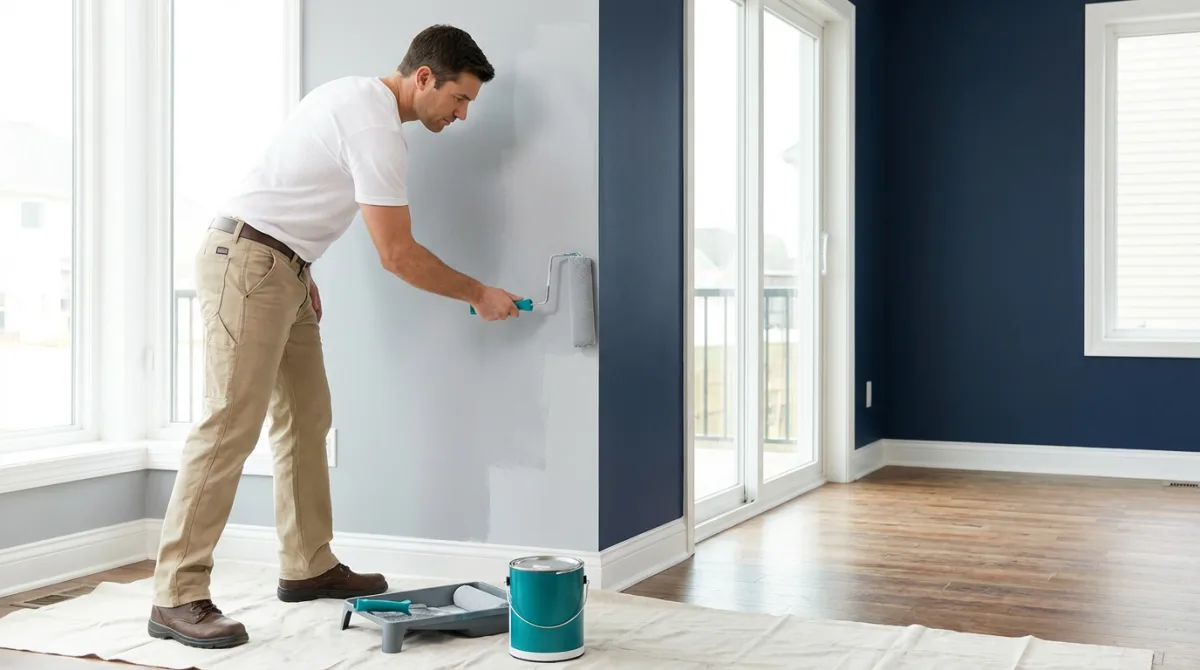
How to Hire a Reliable Painter: 6 Tips
Learning how to hire a reliable painter is the difference between a beautiful, lasting finish and a job that peels, drips, and costs you twice when you have to redo it. Painting looks simple from the outside, which is exactly why homeowners underestimate the gap between a skilled professional and someone who owns a roller.
Whether you’re painting the interior of your home, refreshing your exterior, or refinishing kitchen cabinets, these six tips will help you find a painter who delivers clean lines, proper preparation, and a result that lasts for years.
Tip 1: Get at Least Three Detailed Estimates
Never hire the first painter who gives you a number. Get a minimum of three written estimates, and pay close attention to what’s included — and what’s not.
What a Professional Estimate Should Include
- Scope of work: Exactly which rooms, surfaces, or areas will be painted
- Prep work details: Sanding, scraping, patching holes, caulking gaps, priming
- Paint specification: Brand, product line, finish (flat, eggshell, satin, semi-gloss), and number of coats
- Surface preparation for exteriors: Power washing, scraping loose paint, priming bare wood
- Protection measures: Drop cloths, tape, covering furniture and fixtures
- Timeline: Start date and expected completion
- Cleanup: Who handles cleanup and when
- Warranty: Workmanship guarantee and duration
Red Flags in Estimates
- Verbal-only quotes — If it’s not in writing, it doesn’t exist
- No mention of prep work — Prep is 60-70% of a quality paint job. A painter who skips it in the estimate will skip it on the wall.
- Significantly lower than other bids — If one estimate is 40% below the others, they’re either cutting corners on materials, skipping prep, or planning to surprise you with add-on charges
- No paint specification — “We’ll use good paint” isn’t a specification. You should know the exact brand and product.
Tip 2: Check References and Online Reviews
A painter’s past work is the best predictor of your future experience.
Online Research
- Google reviews — Look for painters with 4.5+ stars and at least 15-20 reviews. Read the detailed reviews, not just the star rating.
- Read the negative reviews — Everyone gets a bad review eventually. What matters is the pattern. Multiple complaints about the same issue (messy work, unfinished jobs, poor communication) reveal consistent problems.
- Photos in reviews — Some review platforms allow photo uploads. Client-submitted photos are more trustworthy than the painter’s own portfolio because they’re not curated.
Direct References
Ask the painter for 3-5 recent references (completed within the last 6 months) and actually call them. Ask:
- Was the job completed on time?
- Did the final price match the estimate?
- How was the prep work quality?
- Were they clean and professional in your home?
- Would you hire them again?
If a painter can’t or won’t provide references, move on. For tips on evaluating contractors across different trades, see our guide on how to hire a reliable electrician — the vetting principles apply universally.
Tip 3: Understand Paint Quality and What You’re Paying For
Not all paint is created equal, and the paint your contractor uses directly impacts how your home looks — and how long it stays looking that way.
Interior Paint Grades
Paint manufacturers typically offer good, better, and best product lines. The differences matter:
- Economy/contractor-grade — Thinner, lower pigment density, requires more coats for coverage, fades faster, less washable. Fine for rental property touch-ups; not ideal for your primary home.
- Mid-range — Good coverage, reasonable durability, decent washability. Solid choice for most interior applications.
- Premium — Higher pigment density (better one-coat coverage), superior washability, more resistant to fading and staining, smoother finish. Worth the investment for high-traffic areas, kitchens, bathrooms, and trim.
Finish Types
| Finish | Best For | Durability | Sheen |
|---|---|---|---|
| Flat/Matte | Ceilings, low-traffic rooms | Low | None |
| Eggshell | Living rooms, bedrooms | Medium | Slight |
| Satin | Kitchens, bathrooms, hallways | Medium-High | Moderate |
| Semi-Gloss | Trim, doors, cabinets | High | Noticeable |
| Gloss | Accent trim, furniture | Very High | High |
Why Paint Choice Matters in Your Estimate
A painter using premium paint will price higher than one using contractor-grade — and that’s justified. Be suspicious of low bids that don’t specify paint quality. Ask your painter to show you the actual paint they’ll use before the job starts. Some less scrupulous painters quote premium paint but actually use economy products.
Tip 4: Evaluate Their Prep Work Standards
Preparation is the foundation of every quality paint job. Skipping or rushing prep is the most common way bad painters save time and cost you quality.
Interior Prep Work Should Include
- Patching and sanding — Filling nail holes, dents, and cracks with spackle or joint compound, then sanding smooth
- Caulking — Sealing gaps between trim and walls, around window frames, and at ceiling lines for clean, professional edges
- Cleaning surfaces — Dust, grease, and grime prevent paint adhesion. Kitchen walls and bathroom surfaces need degreasing.
- Priming — New drywall, stained surfaces, dark-to-light color changes, and patched areas all require primer for proper adhesion and even coverage
- Protecting surfaces — Drop cloths on floors, tape on trim (or cutting in by hand if the painter is skilled), covering furniture and fixtures
Exterior Prep Work Should Include
- Power washing — Removing dirt, mildew, and loose paint
- Scraping — Removing all loose, peeling, or flaking paint down to a sound surface
- Sanding — Feathering edges where old paint meets bare surface for a smooth transition
- Priming bare wood — Any exposed wood must be primed before topcoat application
- Caulking and sealing — Filling gaps around windows, doors, and trim joints
- Covering landscaping — Protecting plants, hardscape, and surfaces below the work area
A painter who spends more time on prep than painting is doing it right.
Tip 5: Verify Insurance and Licensing
Professional painters should carry general liability insurance at minimum. This protects your property if something goes wrong — a ladder scratches your floor, a can of paint spills on your carpet, or a painter accidentally damages a fixture.
What to Verify
- General liability insurance — Ask for a certificate and verify it’s current
- Workers’ compensation — Required if the painter has employees. If an uninsured worker is injured in your home, you could face liability.
- Business license — Requirements vary by city and state. In major Texas cities (Houston, Dallas, Austin, San Antonio), contractors often need city-level registration or permits.
Why It Matters
An uninsured painter who damages your hardwood floors while moving furniture leaves you filing a claim on your own homeowner’s insurance — which can raise your premiums. A properly insured painter’s liability policy covers the damage without involving your policy.
Tip 6: Clarify the Timeline and Communication Plan
Painting projects routinely run over schedule, and poor communication is the top source of homeowner frustration with painters. Set expectations upfront.
Questions to Ask Before Hiring
- When will you start? Get a specific date, not “sometime next week.”
- How long will the job take? An experienced painter can estimate accurately based on square footage, surfaces, and prep work required.
- Who will be doing the work? Will it be the person giving you the estimate, or will they send a crew? If a crew, how many people?
- What’s the daily schedule? What time do they arrive and leave? This matters when they’re inside your home.
- How will you communicate progress? A quick end-of-day text update keeps you informed without hovering.
- What happens if there’s a delay? Weather, supply issues, and unexpected prep work can push timelines. A professional painter communicates delays immediately rather than just not showing up.
Payment Structure
A fair payment structure for painting projects:
- 0-30% deposit at contract signing
- Progress payment (if applicable for large projects) at a defined milestone
- Final payment upon completion and your walkthrough approval
Never pay 100% upfront. Final payment should always be contingent on your satisfaction with the completed work.
Finding Painters You Can Trust
The fastest way to find a reliable, reviewed painter in your area is through a platform that verifies its professionals. House Escort connects homeowners with trusted service pros — no per-lead bidding wars, no guesswork.
Painting is one of the best home improvement projects for Texas homeowners — a fresh coat of paint delivers one of the highest returns on investment of any home upgrade.
Find a trusted pro near you → houseescort.com
Frequently Asked Questions
How many coats of paint should a professional apply?
Most professional paint jobs require two coats of finish paint over primer. One coat is rarely sufficient for full, even coverage — especially when changing colors or painting over darker shades. Some premium paints advertise one-coat coverage, and a skilled painter may achieve it on certain surfaces, but two coats is the standard for quality results. Your estimate should specify the number of coats included.
Should I buy my own paint or let the painter supply it?
In most cases, let the painter supply the paint. Professional painters get contractor discounts, know which products perform best for each application, and take responsibility for the final result when they choose the materials. If you want a specific brand or color, communicate that clearly and ask them to price it into the estimate. The main exception is if you’ve already purchased custom-mixed colors that you’re committed to.
How long should a professional interior paint job last?
Interior paint in normal conditions should last 5-10 years before needing a refresh, depending on the room’s traffic, the paint quality used, and how well walls were prepped. High-traffic areas (hallways, kitchens, kids’ rooms) may need touch-ups sooner. Exterior paint typically lasts 5-7 years depending on climate, sun exposure, and surface material. Quality prep work and premium paint extend these timelines significantly.
What’s the difference between a painting contractor and a handyman who paints?
A painting contractor specializes in painting — they understand surface preparation chemistry, product compatibility, application techniques for different surfaces, and color consistency across large areas. A handyman who paints treats it as one of many services and may not have the same depth of expertise. For a single room touch-up, a skilled handyman may be fine. For whole-house painting, exterior work, or specialty finishes (cabinets, trim, faux finishes), hire a dedicated painting contractor.
When is the best time to paint the exterior of my house?
Ideal exterior painting conditions are temperatures between 50-85°F with low humidity and no rain in the forecast for 24-48 hours. In Texas, the best windows are spring (March-May) and fall (September-November), avoiding the extreme summer heat that can cause paint to dry too quickly and not adhere properly. In northern climates, late spring through early fall provides the most consistent conditions. Avoid painting in direct intense sunlight, as it causes lap marks and uneven drying.