How to Hire an Arborist in Texas: What to Look For
House Escort Team
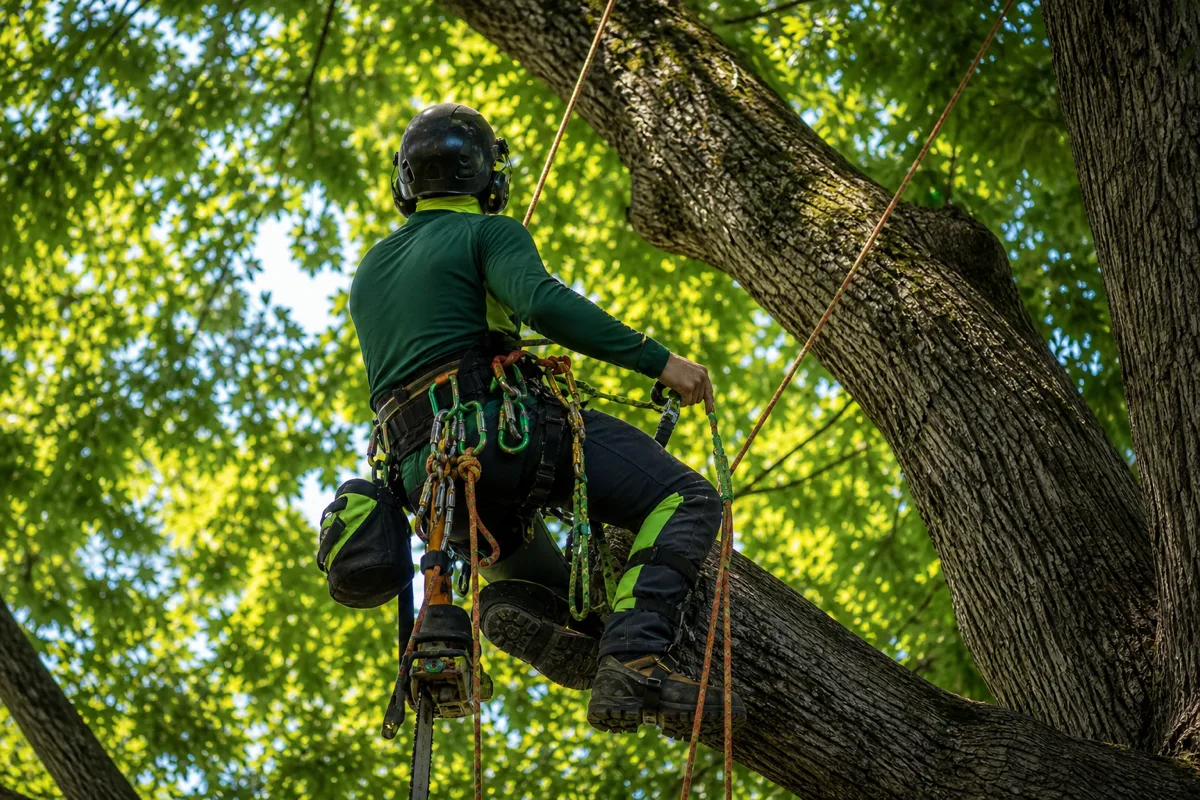
Texas has some of the most iconic trees in North America — live oaks, pecan trees, Texas red oaks, cedar elms, and bald cypress that define the state’s landscapes. Caring for these trees properly requires more than a chainsaw and a truck. Understanding the difference between a certified arborist and an unlicensed tree cutter — and knowing what to look for when hiring — can mean the difference between trees that thrive for decades and trees that are butchered into permanent decline.
Arborist vs. Tree Trimmer: The Critical Difference
A tree trimmer or “tree service” is a general term for anyone with a chainsaw and a trailer who removes branches. In Texas, there is no state license required to offer tree trimming services. This means anyone can call themselves a tree trimmer regardless of training, technique, or equipment.
An ISA Certified Arborist has passed the International Society of Arboriculture’s certification exam — a rigorous test covering tree biology, diagnosis, pruning standards, risk assessment, and tree care best practices. The certification requires ongoing continuing education to maintain.
Why it matters: Improper pruning creates permanent damage to trees. Topping (removing large branches to stubs) is the most damaging and unfortunately common “service” sold by unqualified tree companies — it creates massive wounds that never heal properly, leads to weak regrowth, and dramatically shortens the tree’s life. ISA Certified Arborists follow ANSI A300 pruning standards that prohibit topping and promote tree health.
For significant trees on your property — mature oaks, valuable specimen trees, trees near structures — always hire an ISA Certified Arborist.
What Services an Arborist Provides
Tree pruning and crown management: Removing dead, diseased, and crossing branches; crown thinning to improve wind resistance and light penetration; crown raising to improve clearance; crown reduction done correctly (not topping).
Tree health assessment: Diagnosing pest and disease problems (oak wilt, hypoxylon canker in live oaks, mistletoe management, borers, scale insects). An ISA arborist can identify what’s wrong before a tree declines irreversibly.
Soil and root health: Deep root fertilization, root zone aeration, soil compaction management — often overlooked but critical for urban trees stressed by paved surfaces, construction, and drought.
Risk assessment: Evaluating whether a tree poses a hazard to people and structures. ISA arborists can provide Tree Risk Assessment (TRAQ) — a formal risk assessment methodology used to document and communicate tree hazard risk to property owners and insurers.
Tree removal: When removal is the right decision, arborists can remove trees safely — including technically challenging removals near structures, power lines, and fences.
Plant health care: Treating for specific Texas pests and diseases — oak wilt injections, emerald ash borer treatment, hypoxylon management strategies.
Critical Texas Tree Issues That Require a Certified Arborist
Oak wilt: A fungal disease that has killed millions of Texas live oaks. The fungus spreads through root grafts between neighboring trees and through sap beetles that carry spores to fresh pruning wounds. Certified arborists know the protocols: do not prune oaks during February–June (beetle flight season), seal fresh wounds immediately, and where root graft spread is a concern, install root barriers between infected and healthy trees.
Construction root zone damage: Texas urban development constantly injures tree root systems through grading, trenching, and soil compaction. An arborist can assess construction damage, prescribe recovery care, and provide guidance on protecting trees during building projects.
Cedar elm and Texas mountain laurel care: Texas native trees have specific care requirements that a knowledgeable arborist understands and general tree services often don’t.
How to Verify an ISA Certified Arborist in Texas
Search the ISA’s certified arborist database at treesaregood.org. Enter your city and confirm that any arborist you are considering is currently certified and in good standing. Certification numbers are listed in the database — ask the arborist for their certification number and verify it.
Additional credentials to look for:
- TRAQ (Tree Risk Assessment Qualification) — for formal risk assessment
- Municipal Specialist, Utility Specialist, or Board Certified Master Arborist — advanced ISA certifications
Questions to Ask When Getting Tree Service Quotes
- “Are you an ISA Certified Arborist? What is your certification number?”
- “Do you carry general liability insurance and workers’ compensation?” (Ask for certificates)
- “Do you follow ANSI A300 pruning standards?”
- “Will you be doing the work yourself or will a crew do it? Are they supervised by a certified arborist?”
- “Will you be topping any branches?” (If yes, walk away.)
Tree Service Cost Estimates in Texas
Tree service pricing varies significantly by job scope and risk:
| Service | Typical Price Range |
|---|---|
| Tree trimming (small tree, 15–25 ft) | $150–$400 |
| Tree trimming (medium tree, 25–40 ft) | $300–$700 |
| Tree trimming (large tree, 40+ ft) | $500–$1,500+ |
| Tree removal (small tree) | $300–$700 |
| Tree removal (large tree, complex) | $1,000–$4,000+ |
| Stump grinding | $100–$400 per stump |
| Deep root fertilization | $200–$600 depending on tree size |
Beware of extremely low bids — proper tree care insurance (general liability and workers’ comp) is expensive. A roofer falls from your tree and sues you because your unlicensed tree service didn’t carry workers’ comp. This scenario is not theoretical — it happens regularly in Texas.
Find a Certified Arborist Near You →
Frequently Asked Questions
Is there a state license for arborists in Texas?
No, Texas does not have a state license for arborists — which means anyone can offer tree services without training or credentials. The ISA Certified Arborist credential is the industry’s voluntary professional standard. Always verify ISA certification at treesaregood.org before hiring anyone for significant tree work.
What is oak wilt and how can an arborist help with it?
Oak wilt is a fungal disease that kills live oaks and red oaks in Texas — it has reached epidemic levels in the Hill Country and spreads through both root grafts and sap beetles. A certified arborist knows the prevention protocols (no pruning during beetle flight season, wound sealant application), can assess whether a declining tree has oak wilt, and can recommend treatment options (propiconazole trunk injection for at-risk trees) and containment strategies.
Should I get multiple quotes for tree work?
Yes. Get 2–3 quotes for any significant tree project. Compare not just price but what’s included (debris hauling, stump grinding), whether the person quoting is an ISA Certified Arborist, and what their insurance coverage is. The cheapest bid from an uninsured, uncertified tree cutter creates more risk than value.
Can I prune my own trees in Texas?
You can handle minor maintenance pruning on smaller, accessible trees safely — removing small dead branches and keeping trees away from structures. For trees over 15–20 feet, near power lines, or requiring significant crown work, hire a professional with ISA certification. The risk of improper large-tree pruning (both to the tree’s long-term health and to your own safety) warrants professional help.