How to Hire a Reliable Plumber: 8 Key Tips
House Escort Team
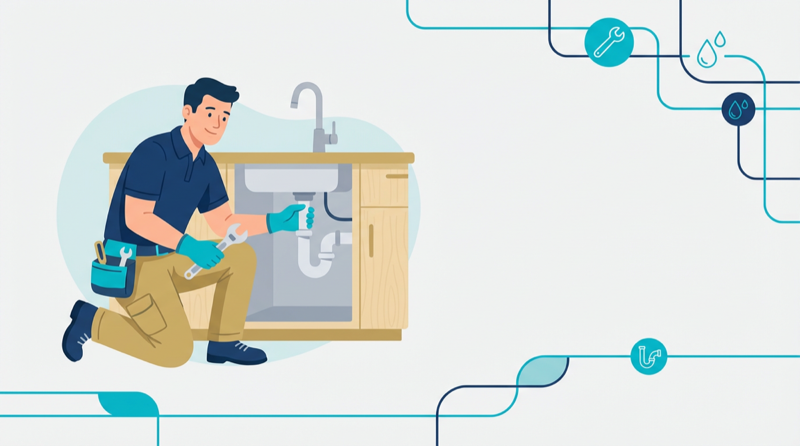
A dripping faucet, a backed-up drain, or a water heater that quits on the coldest night of the year — plumbing emergencies rarely happen at convenient times. When they do, the pressure to find someone fast can lead to rushed decisions and regret. Hiring the wrong plumber can mean shoddy work, surprise charges, or even property damage that costs more to fix than the original problem.
The good news is that finding a dependable plumber does not have to be a gamble. Whether you need a routine repair or a full re-pipe, the eight tips below will help you hire with confidence.
1. Verify Licensing and Insurance
Every state requires plumbers to hold some form of license, though the exact requirements vary. A valid license means the plumber has passed trade exams and met minimum experience thresholds. Insurance — specifically general liability and workers’ compensation — protects you if something goes wrong on the job.
What to do: Ask for the plumber’s license number and verify it through your state’s licensing board website. Request a copy of their insurance certificate and confirm it is current.
2. Check Reviews and References
Online reviews give you a snapshot of what to expect, but not all review platforms are equal. Look for patterns rather than individual outliers. A plumber with hundreds of reviews averaging 4.5 stars is generally a safer bet than one with five perfect scores.
What to do: Read reviews on at least two platforms. Pay attention to comments about punctuality, communication, and how the plumber handled unexpected issues. If possible, ask the plumber for two or three references from recent jobs similar to yours.
3. Get Multiple Quotes
Price should never be the only factor, but getting at least three written estimates helps you understand the fair market rate for your job. Quotes that are dramatically lower than the rest often signal cut corners or hidden fees down the line.
What to do: Describe the job in detail to each plumber so you receive apples-to-apples estimates. Make sure each quote breaks out labor, materials, and any potential additional charges.
4. Ask About Experience With Your Specific Problem
Plumbing covers a wide range of specialties. A plumber who excels at drain cleaning may not be the best choice for a tankless water heater installation. Asking about relevant experience upfront saves time and avoids learning-curve mistakes at your expense.
What to do: Describe your issue clearly and ask how many similar jobs the plumber has completed in the past year. Ask if they carry any manufacturer certifications relevant to your equipment.
5. Confirm Pricing Structure Before Work Begins
Some plumbers charge a flat rate per job, while others bill hourly. Neither approach is inherently better, but you need to know which one you are agreeing to before a wrench is turned. Emergency and after-hours rates can be significantly higher, so clarify those as well.
What to do: Get the pricing structure in writing. Ask what happens if the job takes longer than estimated or if additional problems are discovered during the repair. A trustworthy plumber will explain these scenarios upfront rather than springing surprises on your invoice.
6. Look for Warranty and Guarantee Policies
Reputable plumbers stand behind their work. A warranty on labor means the plumber will come back and fix the issue at no additional cost if something fails within the warranty period. Many also pass through manufacturer warranties on parts and fixtures.
What to do: Ask about both labor warranties and parts warranties before signing an agreement. Get the warranty terms in writing, including what is covered and for how long.
7. Evaluate Communication and Professionalism
How a plumber communicates before the job often predicts how the project will go. Prompt responses, clear explanations, and respect for your time are positive signals. If you cannot get a callback before the job starts, expect the same silence if a problem arises afterward.
What to do: Note how quickly the plumber returns your initial call or message. During the estimate visit, pay attention to whether they explain the problem in plain language and answer your questions without rushing.
8. Use a Trusted Platform to Compare Pros
Searching through dozens of websites, calling each plumber individually, and trying to compare quotes across different formats is exhausting. A platform that brings verified professionals together in one place lets you compare profiles, read reviews, and message pros directly — all before committing to anything.
What to do: Use House Escort to browse local plumber profiles with portfolios, reviews, and ratings. Post your job and receive bids from qualified pros in your area, then compare options side by side. Professionals on House Escort keep 100% of their earnings, which means no inflated prices to cover platform fees.
When to Call a Plumber vs. DIY
Not every plumbing issue requires a professional. Swapping a showerhead, replacing a toilet flapper, or clearing a minor sink clog with a plunger are jobs most homeowners can handle. But when the problem involves gas lines, sewer mains, water heater installation, or anything behind walls, call a licensed plumber. The risk of water damage, code violations, or personal injury far outweighs the cost of professional service.
Red Flags to Watch For
Keep your guard up if a plumber:
- Refuses to provide a written estimate — verbal-only quotes leave room for billing disputes.
- Demands full payment upfront — a reasonable deposit is normal, but full prepayment is not industry standard.
- Cannot show proof of license or insurance — this is non-negotiable.
- Pressures you into immediate decisions — legitimate emergencies aside, a reputable plumber will give you time to review an estimate.
- Has no online presence or reviews — while a lack of reviews is not always a deal-breaker for new businesses, it does increase your risk.
The Bottom Line
Hiring a plumber does not have to be stressful. Verify credentials, get multiple quotes, confirm pricing in writing, and choose someone who communicates clearly. These steps take a bit of effort upfront but save you from costly headaches later.
Ready to find a plumber you can trust? Browse local plumbing professionals on House Escort and get connected with vetted pros in your area — no lead fees, no middlemen.
Frequently Asked Questions
How do I find a licensed plumber in my area?
Start by checking your state or municipality’s licensing board to verify credentials. Ask friends, neighbors, or your real estate agent for recommendations. Online platforms like House Escort let you browse plumber profiles with verified reviews, making it easy to compare qualifications and customer feedback before reaching out.
How much does a plumber typically charge per hour?
Plumbing rates vary by region and job complexity, but most licensed plumbers charge between $75 and $200 per hour. Emergency and after-hours calls often carry a premium. Always request a written estimate before work begins so you understand the total expected cost, including parts and any potential additional charges.
Should I get multiple plumbing quotes before hiring?
Yes, getting at least three written estimates is recommended for any non-emergency plumbing job. Comparing quotes helps you understand the fair market rate and identify outliers — whether suspiciously low or inflated. Focus on scope of work and materials, not just the bottom-line number.
What is the difference between a plumber and a handyman for plumbing work?
A licensed plumber has completed trade training, passed certification exams, and carries appropriate insurance. A handyman may handle basic tasks like faucet replacement but typically lacks the training and licensing for complex work involving gas lines, sewer mains, or water heater installations. For anything beyond a simple fixture swap, hire a licensed plumber.
How can I avoid plumbing scams?
Never hire a plumber who refuses to provide a written estimate, demands full payment upfront, cannot show proof of license or insurance, or pressures you into immediate decisions. Verify their license number through your local licensing authority and check at least two review platforms before committing.