How to Get Bonded as a Contractor
House Escort Team
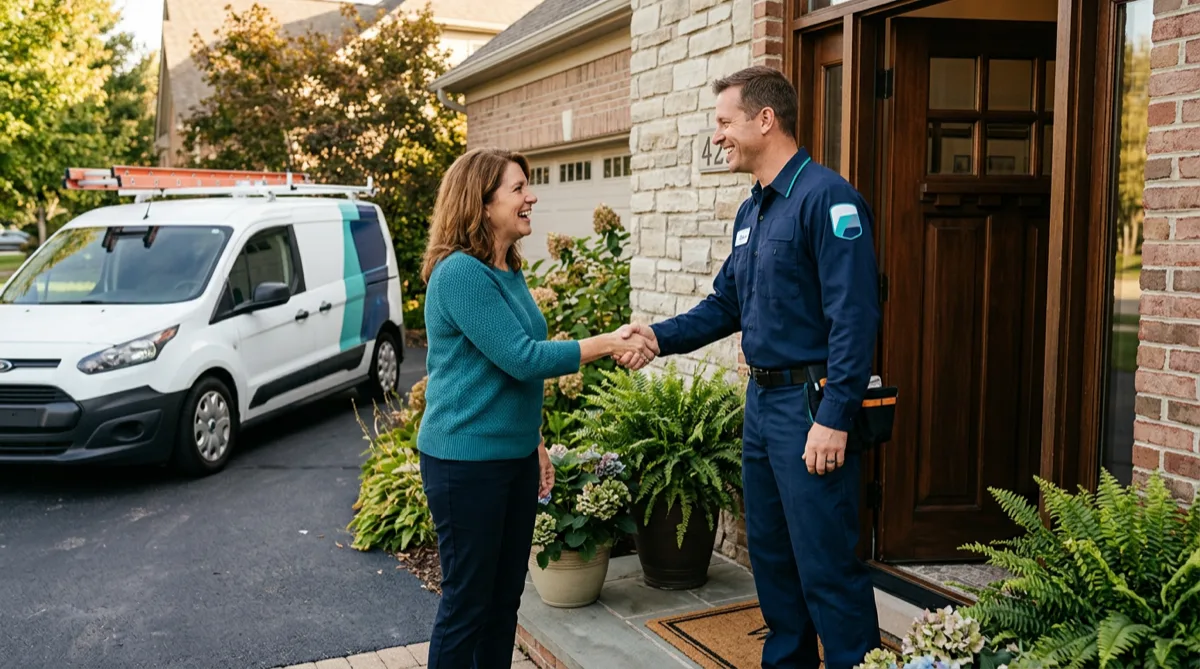
“Licensed, bonded, and insured” — every homeowner has seen this phrase, but most contractors don’t fully understand what the “bonded” part actually means, or why it matters for their business. Getting bonded is one of the fastest ways to differentiate yourself from unlicensed competition and win the trust of homeowners who are understandably cautious about who they let into their home.
Here’s everything you need to know about contractor bonding: what bonds actually protect against, which types you need, what they cost, and how to get bonded today.
What Does “Bonded” Actually Mean?
A surety bond is a three-party financial guarantee:
- The principal: You, the contractor
- The obligee: The entity requiring the bond (homeowner, government, licensing board)
- The surety: The bonding company that guarantees performance
When you’re bonded, the surety company is promising the homeowner (or whoever requires the bond) that if you fail to complete the job, steal money, cause damage, or violate the bond’s terms — the surety will compensate them up to the bond limit.
Important: A bond is NOT insurance for you. If the surety pays a claim against your bond, they come back to you for reimbursement. The bond protects the customer, not the contractor.
Why Homeowners and Clients Care About Bonding
A homeowner hiring an unbonded contractor is taking on risk that many don’t fully appreciate:
- If you take a deposit and don’t finish the job, they have little recourse beyond civil court
- If you cause property damage beyond your insurance limits, they’re exposed
- If you fail to pay your suppliers (who then file mechanics liens on the homeowner’s property), they’re exposed
A bonded contractor signals: I have skin in the game. A third party has evaluated my business and committed to stand behind me.
For larger projects, commercial clients, and property managers, bonding is frequently required before you can even bid.
Types of Contractor Bonds
License and Permit Bonds (Most Common)
Required by many cities and counties as part of their contractor registration process. Guarantees that you’ll comply with local licensing laws and regulations.
- Coverage: Typically $5,000–$25,000
- Annual cost: $50–$200 for most contractors (premiums are low because the coverage amount is low)
- Where required: Houston’s contractor registration, Dallas, and many Texas cities require this to pull permits
Contractor License Bonds (State-Required Trades)
For licensed trades in Texas — electricians, plumbers, HVAC contractors — TDLR or TSBPE may require a license bond as part of the licensing application.
- Coverage: Varies by licensing body ($10,000–$50,000 typically)
- Annual cost: $100–$400 depending on coverage amount and your credit
Performance Bonds
Guarantees that you’ll complete a specific contract according to its terms. Required for most government contracts and some large commercial contracts.
- Coverage: Equal to the contract value (often $50,000–$5,000,000+)
- Cost: 1–3% of contract value for first-time bond; lower over time with track record
- When needed: Public works, municipal contracts, federal micro-purchases, and commercial GC work
Payment Bonds
Often paired with performance bonds. Guarantees that you’ll pay your subcontractors and suppliers. Prevents mechanics liens on the property owner’s project.
- Cost: Similar to performance bonds (combined “P&P bond” common)
- When needed: Same situations as performance bonds
Fidelity Bonds (Dishonesty Bonds)
Protects clients against employee theft. If a member of your crew steals from a client’s home, the fidelity bond compensates the homeowner.
- Coverage: $10,000–$50,000+ typical
- Annual cost: $150–$500 for small crews
- Why it matters: Especially important for service businesses that regularly work inside homes — cleaning, handyman, property maintenance
What Does a Surety Bond Cost?
License bonds (the most common type for residential contractors) are very affordable:
| Bond Amount | Typical Annual Premium | Credit Requirement |
|---|---|---|
| $5,000 | $50–$100 | Minimal |
| $10,000 | $75–$150 | Minimal |
| $25,000 | $100–$250 | Good credit helpful |
| $50,000 | $200–$500 | Good credit preferred |
Bond premiums are calculated as a percentage of the bond amount — typically 1–3% for standard bonds. Your credit score affects the rate: contractors with good credit (680+) often get the minimum premium rate.
For performance bonds on specific projects, premiums are higher and underwriting is more thorough — expect 1–3% of the contract value.
How to Get Bonded as a Contractor
The process is simpler than most contractors expect:
Step 1: Determine What Bond You Need
- Check your city’s contractor registration requirements (Houston, Dallas, Austin, San Antonio all have different requirements)
- Check your state license requirements (if you’re a licensed electrician, plumber, or HVAC contractor, check TDLR/TSBPE bond requirements)
- For project-specific bonds, check the contract requirements
Step 2: Choose a Surety Company
Options include:
- National online surety companies: SuretyBonds.com, BondExchange.com, Suretec — fast, low-cost, online application
- Your insurance agent: Many agents who write your general liability also write surety bonds
- Construction-specialty agents: For large performance bonds ($50K+), a construction-specialty surety agent provides better terms
Step 3: Complete the Application
For small license bonds ($10,000–$25,000), the application is typically just:
- Your name, address, and business info
- Social Security number or EIN (for credit check)
- The bond form required by your licensing authority
For large performance bonds, additional documentation is required: financial statements, project history, credit report, and business references.
Step 4: Get Your Bond Certificate
Once approved (typically same-day for small bonds), you receive a bond certificate. This is what you provide to:
- Your city’s contractor registration office
- Clients or property managers who require it
- TDLR or TSBPE if required for your license
Using Your Bond Status as a Marketing Tool
“Licensed, Bonded & Insured” on your truck, your website, and your business card immediately differentiates you from the many unqualified operators in the market. Homeowners searching for contractors actively look for this designation.
House Escort lets you display your bonding status on your pro profile — giving homeowners the confidence to hire you over unbonded competition.
List your business on House Escort → — 1 month free, low monthly fee. Cancel anytime.
Also see our guide on contractor insurance for the full picture of coverage you should carry.
Frequently Asked Questions
What does it mean when a contractor is bonded?
When a contractor is bonded, a surety company has issued a financial guarantee that the contractor will comply with the terms of their work, licensing requirements, or contract obligations. If the contractor fails to perform, steals money, or causes certain damages, the surety pays the claim to the affected party (homeowner, client, or licensing authority) up to the bond limit. The bonded contractor is then obligated to reimburse the surety.
How much does a surety bond cost for a contractor in Texas?
Most residential contractors in Texas need a license or permit bond of $5,000–$25,000. The annual premium for these small bonds runs $50–$250 depending on the bond amount and your credit score. For project-specific performance and payment bonds, premiums are typically 1–3% of the contract value, so a $50,000 bond might cost $750–$1,500 annually.
Is bonding the same as insurance for contractors?
No. Bonding and insurance serve different purposes. Insurance (general liability, workers’ comp) protects the contractor against claims — if a client sues you for property damage, your GL policy responds. A bond protects the client/obligee — if you fail to perform or violate the bond terms, the surety compensates the client. Every contractor should have both: insurance for their own protection, and bonding to satisfy licensing requirements and build client trust.
How long does it take to get bonded as a Texas contractor?
For small license bonds ($5,000–$25,000), many online surety companies issue bonds same-day or next-day after a short application and soft credit pull. Larger performance bonds require more underwriting — financial statements, project references, and sometimes a personal interview — which can take days to weeks.
Do I need to be bonded to work on residential projects in Texas?
Texas does not have a universal state requirement for contractor bonding on residential work. However, individual cities (Houston, Dallas, Austin, San Antonio) often require a license bond as part of their contractor registration. Some property management companies, HOAs, and larger commercial clients require bonding regardless of local law. Even where not required, being bonded is a competitive advantage.