Home Inspection Cost in Texas: 2026 Guide
House Escort Team
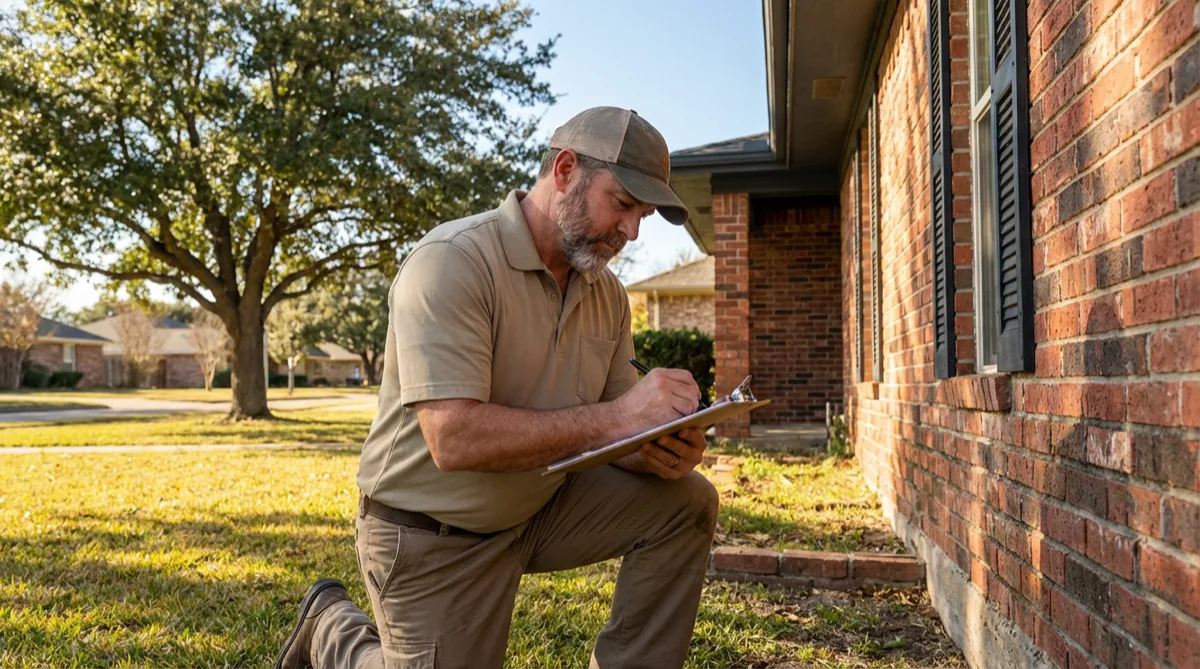
A home inspection is one of the most important investments you make when buying a Texas home. At $350–$700 for most properties, it’s a small fraction of the purchase price but can reveal thousands of dollars in needed repairs — or give you the confidence that the home is solid.
Here’s what home inspections actually cost in Texas, what’s included, and how to choose the right inspector for your purchase.
Average Home Inspection Cost in Texas
Home inspection pricing in Texas is primarily driven by the square footage of the property. Most Texas home inspectors charge per-foot rates, with a base fee for smaller homes.
| Home Size | Average Texas Cost |
|---|---|
| Under 1,000 sq ft | $300–$400 |
| 1,000–1,500 sq ft | $350–$450 |
| 1,500–2,500 sq ft | $400–$550 |
| 2,500–4,000 sq ft | $500–$700 |
| 4,000+ sq ft | $650–$1,000+ |
The average Texas home is approximately 2,100 sq ft — putting most inspection costs in the $400–$550 range. Home inspections in Houston and Austin tend to run slightly higher than smaller Texas markets.
Age of home also affects price: Older homes (pre-1980) often take longer to inspect due to deferred maintenance, outdated systems, and more to evaluate. Some inspectors add $25–$75 for older homes.
What a Standard Texas Home Inspection Covers
A licensed Texas home inspector evaluates all visible, accessible components of the home:
Structural Components
- Foundation type and visible condition (slab, pier-and-beam, basement)
- Walls, ceilings, floors for signs of movement, cracking, or settlement
- Roof structure (attic framing, decking condition)
Exterior
- Roof covering materials, condition, estimated remaining life
- Gutters and downspouts
- Exterior walls (siding, brick, stucco) for damage or moisture intrusion
- Grading and drainage away from the foundation
- Windows and doors (operation, sealing, visible damage)
Interior
- Walls, ceilings, floors (visible cracking, staining, damage)
- Doors and windows (operation, sealing, locks)
- Stairways and railings
Plumbing
- Visible supply and drain lines
- Water pressure test
- Water heater age, condition, proper venting
- All accessible fixtures (faucets, toilets, showers)
Electrical
- Main electrical panel (breaker condition, proper labeling, signs of overheating)
- Visible wiring (type, condition, GFCI protection in wet areas)
- Outlets (function, grounding, polarity)
- Smoke and CO detector presence
HVAC
- Heating and cooling system type, approximate age
- Filter condition
- Thermostat operation
- Visible ductwork condition
Attic and Crawl Space
- Insulation presence and approximate R-value
- Ventilation
- Moisture, pest, or mold evidence
Important: Texas inspectors evaluate what is visible and accessible. They don’t open walls, dig up foundations, or move furniture. The inspection gives you a comprehensive snapshot of visible conditions — not a full structural engineering assessment.
Specialized Inspections: Add-Ons to Consider
For certain properties or concerns, add-on inspections beyond the standard general inspection provide deeper assessment:
Sewer Scope Inspection
Cost: $100–$250
A camera is run through the main sewer line to check for root intrusion, cracking, or blockages. Highly recommended for homes built before 1980 with cast iron or clay drain pipes. In Texas, tree roots (particularly live oaks) aggressively invade sewer lines. A sewer scope that catches a collapsed line before closing can save $5,000–$15,000 in repair costs.
Mold Inspection and Testing
Cost: $250–$600
Texas’s humidity creates favorable conditions for mold. If the inspection report notes moisture intrusion, staining, or musty odors, a mold specialist can air-test and surface-test for mold species and concentration. This is especially relevant after the 2021 Winter Storm Uri — many Texas homes had frozen pipe damage that wasn’t fully remediated.
Termite and Wood Destroying Insect Inspection
Cost: $75–$150 (often included in lender-required inspection package)
Texas has significant termite activity, particularly in East Texas and the Gulf Coast. FHA and VA loans may require a WDI inspection. A wood destroying insect report from a licensed pest control company covers subterranean termites, wood-boring beetles, and other organisms.
Pool and Spa Inspection
Cost: $100–$200
If the property has a pool or spa, a pool inspection (typically a separate add-on or separate inspector) evaluates equipment condition (pump, heater, filter), decking, waterline tile, and visible plumbing. Pool system failures can cost $3,000–$15,000 to repair.
Foundation Specialist
Cost: $300–$600
Texas’s expansive clay soils cause foundation movement in many homes. If your general inspector notes foundation cracks, uneven floors, or sticking doors, a separate structural engineer or foundation specialist provides a formal assessment and repair recommendation. This is especially important in North Texas (Dallas-Fort Worth area) where active expansive soils are common.
How to Choose a Home Inspector in Texas
Texas home inspectors are licensed by the Texas Real Estate Commission (TREC). A few things to verify:
- TREC license: Search license.trec.texas.gov to verify an inspector’s license is active and in good standing
- Experience: Years in practice and number of inspections completed matters — an inspector who has done 2,000 Texas inspections knows what to look for
- Reports: Ask to see a sample report. Detailed photo-backed reports are more useful than checkbox forms
- Independence: Some Realtors have preferred inspectors. It’s fine to use referrals, but don’t let pressure steer you away from due diligence
Find vetted home service professionals in Texas — including inspection referrals — through House Escort.
For related guidance, see our Permit Requirements for Home Renovations in Texas if inspection findings lead to repair work requiring permits.
Frequently Asked Questions
Is a home inspection required to buy a home in Texas?
Home inspections are not legally required to purchase a home in Texas. However, most buyers include an inspection contingency in their offer, allowing them to negotiate repairs or terminate if the inspection reveals serious issues. Skipping a home inspection to “win” a competitive offer is a significant financial risk — especially in Texas where foundation issues, HVAC problems, and plumbing concerns are common.
Can I use my own home inspector in Texas?
Yes. You have the right to hire any TREC-licensed inspector of your choice. Your Realtor may recommend inspectors they’ve worked with, but you’re not obligated to use their referral. Searching independently and reading inspector reviews gives you full control over who evaluates your largest purchase.
What do Texas home inspectors commonly find?
Common issues in Texas home inspections include: HVAC systems near end-of-life (Texas heat puts heavy demand on cooling systems), foundation cracks or movement (especially in North Texas clay soils), electrical panel issues (double-tapped breakers, outdated panels), improper grading allowing water toward the foundation, sewer line root intrusion, and deferred roof maintenance. These are so common that they’re expected in older Texas homes — the question is severity and cost to address.
How long does a home inspection take in Texas?
For a 2,000–2,500 sq ft home, plan on 2.5–3.5 hours for a thorough inspection. Larger homes, older homes, and homes with pools, outbuildings, or complex systems take longer. You should be present for the inspection — walking through with the inspector allows you to ask questions in real time and understand findings in context.
How soon after inspection can I negotiate repairs?
In a typical Texas purchase contract (TREC promulgated forms), buyers have an option period (typically 7–14 days, negotiated at time of offer) to conduct inspections. You can request repairs or a price reduction from the seller during this option period. Sellers are not required to make repairs, but the buyer can terminate during the option period if negotiations don’t resolve concerns.