Home Addition Cost in Texas: 2026 Breakdown
House Escort Team
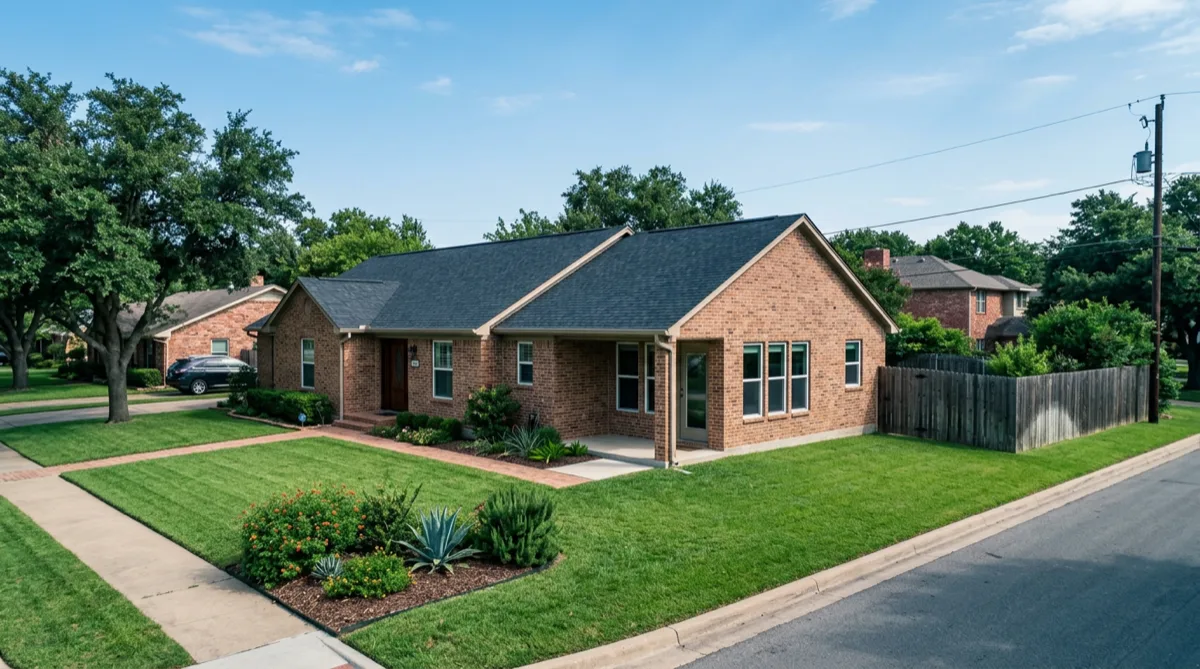
A home addition is one of the most significant investments a homeowner can make — and in Texas, where families grow fast and homes appreciate steadily, it’s often a financially smart one. But the cost range for home additions is enormous: a basic room addition might cost $25,000, while a full second-story addition can exceed $200,000. Understanding where your project falls in that range starts with knowing the cost drivers.
Here’s a comprehensive cost breakdown for home additions in Texas, organized by project type, with 2026 market pricing.
Average Home Addition Cost Per Square Foot in Texas
The most consistent way to estimate a home addition is by square footage. Texas costs in 2026:
| Addition Type | Cost Per Square Foot | Notes |
|---|---|---|
| Basic room addition | $80–$130 | Simple rectangle, existing foundation style |
| Standard room addition | $130–$175 | Better finishes, matching exterior |
| Premium room addition | $175–$250+ | High-end finishes, complex design |
| Second story addition | $130–$200+ | Structural reinforcement required |
| Sunroom / screened porch | $60–$130 | Lower cost if unheated/uncooled |
| Garage conversion | $40–$70 | Existing structure, lower scope |
| In-law suite / ADU | $100–$200 | May include separate entrance and kitchenette |
Cost note: These ranges include materials, labor, permits, and basic finishes (drywall, flooring, electrical, HVAC). They do not include custom fixtures, high-end tile, built-in cabinetry, or significant landscaping restoration.
Bedroom Addition Cost in Texas
A single bedroom addition (roughly 200–250 square feet) is one of the most common home addition projects in Texas:
- Basic 200 sq ft bedroom: $16,000–$26,000
- Standard 200 sq ft bedroom with closet and bathroom: $35,000–$55,000
- Premium addition with ensuite bath: $55,000–$90,000+
The bathroom adds significant cost — plumbing rough-in, tile work, fixtures, and ventilation typically add $15,000–$30,000 to a basic bedroom addition.
Room Addition Cost by City in Texas
Labor costs vary across the state:
| City | Basic Room (200 sq ft) | Standard Room with Bath (300 sq ft) |
|---|---|---|
| Houston | $18,000–$30,000 | $45,000–$75,000 |
| Dallas | $17,000–$28,000 | $42,000–$70,000 |
| Austin | $18,000–$32,000 | $46,000–$80,000 |
| San Antonio | $15,000–$25,000 | $38,000–$65,000 |
Austin tends toward the higher end of the range due to elevated contractor costs and permitting requirements. San Antonio is generally the most affordable large Texas market.
For broader Houston home improvement cost context, see our Houston home repair costs guide.
Second Story Addition Costs
Adding an entire second story to a single-story Texas home is a major undertaking. Unlike a standard room addition, second-story work typically requires:
- Structural engineering: The existing first-floor walls and foundation must be evaluated for load capacity
- Temporary support: While the roof is removed, the structure needs temporary support
- Foundation reinforcement: Many Texas slab foundations need reinforcement to carry a second floor
- Full roofing replacement: The original roof comes off and is replaced over the expanded structure
Cost per square foot for second-story additions: $130–$200+ Typical 1,000 sq ft second story in Houston: $150,000–$220,000 Typical 1,500 sq ft second story in Dallas: $195,000–$310,000
Second-story additions also require moving out temporarily in most cases — factor in rental costs (typically $2,000–$4,000/month in Texas cities).
Sunroom Addition Costs
Sunrooms are popular in Texas for expanding living space with natural light while maintaining indoor comfort. Types and costs:
Three-season sunroom (not fully HVAC-conditioned): $15,000–$35,000 for 150–200 sq ft
Four-season sunroom (fully insulated, HVAC connection): $30,000–$75,000 for 200–300 sq ft
Screen enclosure / porch enclosure: $10,000–$25,000 — the most affordable option; screened but not climate controlled
Texas’s heat means a four-season sunroom with proper insulation and HVAC zoning is a much more usable space than a basic three-season option for 9+ months of the year.
In-Law Suite / ADU Addition Costs
In-law suites and accessory dwelling units (ADUs) are among the highest-ROI home additions in Texas. A self-contained ADU can:
- House family members
- Generate rental income
- Increase resale value significantly
In-law suite (attached, 400–600 sq ft, basic): $60,000–$100,000 Detached ADU (400–600 sq ft): $80,000–$150,000+
Dallas, Austin, and Houston have all been loosening ADU permitting in recent years, making these projects more achievable. Each city has different setback, size, and parking requirements — verify with your local permitting department before planning.
What Drives Home Addition Costs Higher
These factors routinely push projects over initial estimates:
- Matching existing exterior: Brick or stone to match your existing home costs 2–3x more than new siding
- Existing infrastructure upgrades: Adding a room may require upgrading your electrical panel, HVAC system, or plumbing main
- Foundation issues discovered: Many Texas homes (especially in Houston) have expansive clay soil issues that emerge during excavation
- Permit delays: Austin and some Dallas suburbs have permit wait times that can extend projects by weeks
- Custom finishes: High-end tile, custom cabinetry, and specialty fixtures add fast
Finding a Home Addition Contractor in Texas
Large home additions require a general contractor with experience in residential additions — not just handymen or specialized trade contractors. Verify:
- Licensed: General contractors don’t need a state license in Texas, but check for city registration and local permit history
- Insured: $1M+ general liability strongly recommended for addition-scale projects
- References: Request references from completed addition projects, not just remodels
- Written contract: Scope of work, materials specs, payment schedule, warranty
House Escort connects Texas homeowners with vetted general contractors for home additions across Houston, Dallas, Austin, and San Antonio.
Find a home addition contractor →
Also see our home renovation budget guide for tips on managing a large project budget.
Frequently Asked Questions
How much does a room addition cost in Texas per square foot?
Room additions in Texas typically cost $80–$175 per square foot for standard construction, including materials, labor, permits, and basic finishes. Premium additions with high-end finishes run $175–$250+. The most common driver of costs above the average range is adding a full bathroom or requiring foundation work due to Texas’s expansive clay soil.
Is a home addition worth it financially in Texas?
Generally yes, particularly in Houston, Austin, and Dallas metro areas where land is constrained and home prices have appreciated. The National Association of REALTORS® reports that master suite additions and bathroom additions recoup 50–70% of costs at resale in most markets, with ADUs and in-law suites often recouping more due to growing rental demand.
How long does a home addition take in Texas?
A simple room addition (200–300 sq ft) typically takes 6–12 weeks from permit approval to completion. Larger projects (second story, ADU) can take 4–6 months. Permit processing time varies by city — Austin has historically had longer permit wait times than Houston or San Antonio. Build permitting time into your project planning.
Do I need a permit for a home addition in Texas?
Yes. All structural home additions in Texas require a building permit, and most will also require electrical, plumbing, and mechanical permits depending on scope. Your general contractor should pull all required permits. Never skip permits — unpermitted work creates problems at resale and may not be covered by your homeowner’s insurance.
What’s the difference between a home addition and an ADU in Texas?
A home addition is an expansion attached to your existing home’s living space. An ADU (accessory dwelling unit) is a separate or semi-separate living unit — with its own entrance, typically its own kitchen or kitchenette, and complete living facilities. ADUs have stricter local regulations in most Texas cities regarding size limits, setbacks, and parking. Both require permits; ADUs often have additional design and utility requirements.