Handyman Pricing Strategy Guide for Texas Pros
House Escort Team
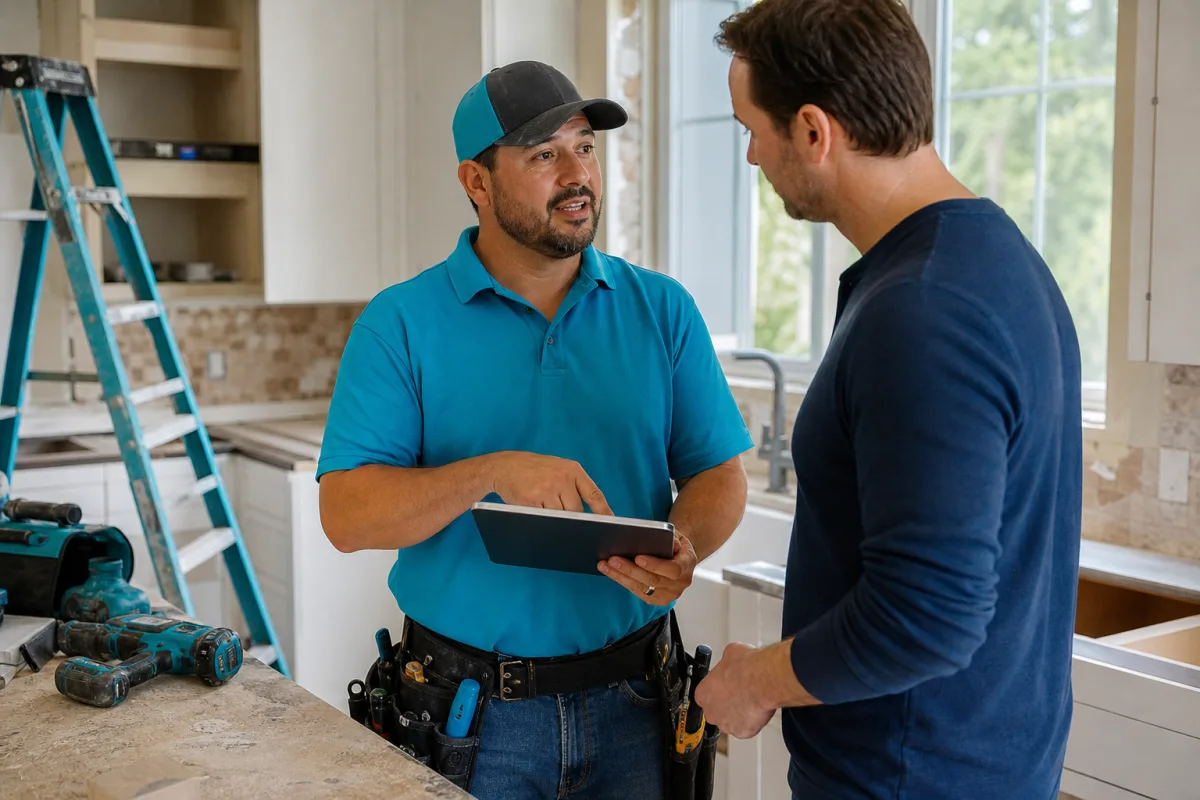
Texas handymen face unique pricing challenges. The state’s diverse markets from DFW to Houston to Austin present different customer expectations, cost structures, and competitive landscapes. Successful pros develop pricing strategies that cover overhead, generate profit, and remain competitive without undervaluing their expertise.
Many handymen start with simple hourly rates but discover that project-based pricing, day rates, and minimum job fees better reflect the true cost of doing business. Understanding when to apply each model separates thriving operations from those struggling to cover expenses.
Hourly vs Per-Project vs Day Rate Models
Hourly pricing offers simplicity for small repairs and diagnostic visits. Customers understand the concept, and tracking time requires minimal administrative effort. However, hourly billing creates misalignment. Faster work earns less revenue. Experienced handymen who complete tasks efficiently get penalized compared to slower competitors.
Project-based pricing aligns incentives. Homeowners receive a clear total cost upfront. Handymen earn fair compensation regardless of completion speed. This model works well for defined scopes like drywall repair, fixture replacement, or furniture assembly. Accurate estimating requires experience and detailed scope documentation.
Day rates provide predictability for larger or multi-day projects. A flat daily fee covers labor regardless of exact hours worked. This approach suits bathroom remodels, deck repairs, or full-room renovations where scope creep is common. Day rates should account for typical productivity and include buffers for unexpected complications.
Many successful Texas handymen combine models. Diagnostic visits bill hourly with a minimum fee. Defined repairs use project pricing. Multi-day work converts to day rates. This flexibility matches pricing to job characteristics while maintaining profitability across diverse service offerings.
Typical Rate Ranges Across Texas Markets
DFW, Houston, and Austin represent Texas’s largest handyman markets with distinct rate expectations. Urban professionals in central Austin or Houston’s inner loop command premium rates compared to suburban or rural areas. Cost of living, competition density, and customer demographics influence what the market will bear.
Handymen typically charge between seventy-five and one hundred fifty dollars per hour across major Texas metros. Entry-level or general repair work falls toward the lower end. Specialized skills like tile work, electrical troubleshooting, or plumbing command higher rates. Senior technicians with strong reputations and insurance coverage justify premium pricing.
Project minimums protect against low-value service calls. Many pros establish a two-hundred to three-hundred dollar minimum job fee. This threshold covers travel time, vehicle costs, and administrative overhead for small repairs. Customers with genuinely small jobs often bundle multiple tasks to meet the minimum, increasing average ticket size.
Day rates for full-day commitments typically range from five hundred to eight hundred dollars depending on market and skill level. Multi-day projects may offer slight discounts to secure longer engagements. Clear scope definitions prevent disputes over what constitutes a full day versus partial day billing.
Calculating True Overhead Costs
Many handymen underestimate overhead and price themselves out of profitability. True hourly cost extends far beyond the rate charged to customers. Vehicle expenses, tool replacement, insurance, fuel, marketing, and administrative time all factor into the equation.
A typical Texas handyman operation carries significant fixed monthly costs. Truck payments or depreciation, comprehensive insurance including liability and workers comp if applicable, tool maintenance and replacement, fuel for service calls across sprawling metros, phone and software subscriptions, and marketing to maintain lead flow all add up.
Smart operators calculate their fully burdened hourly cost before setting customer rates. Divide total monthly overhead by billable hours to determine break-even. Most handymen achieve only twenty to twenty-five billable hours per week after accounting for travel, estimates, material runs, and administrative tasks. Pricing must cover non-billable time as well.
Seasonal variation affects Texas handymen differently than northern markets. Summer heat reduces outdoor productivity. Holiday periods create scheduling gaps. Storm seasons generate surge demand. Annual pricing strategies should smooth these fluctuations rather than reacting month-to-month.
Materials Markup Strategies That Work
Materials represent a significant revenue opportunity when managed properly. The industry standard markup of twenty to forty percent covers procurement time, delivery coordination, warranty handling, and the risk of material price fluctuations between estimate and purchase.
Some handymen prefer cost-plus arrangements where customers pay actual material invoices plus a percentage. This transparency builds trust but requires meticulous record-keeping. Others build material costs into project totals, simplifying billing while maintaining margins.
High-volume consumables like fasteners, adhesives, and cleaning supplies often carry higher markups. Specialty items with long lead times or custom orders justify premium pricing. Handymen who maintain well-stocked trucks reduce material runs and improve efficiency, justifying their markup through convenience and faster completion.
Texas sales tax applies to materials in most cases. Handymen operating as contractors may purchase tax-exempt for resale, then collect tax from customers. Proper documentation protects against audit issues. Consult with a tax professional familiar with Texas construction contractor rules.
When and How to Raise Your Rates
Rate increases are essential for long-term business health. Inflation, increased insurance costs, and improved skills all justify periodic adjustments. Many handymen hesitate to raise rates for fear of losing customers, but undervaluing services leads to burnout and business failure.
Communicate rate increases proactively. Notify existing customers in advance with clear explanations. Emphasize that rates have remained stable for an extended period while costs have risen. Offer grandfathered pricing for a transition period on active projects. Most reasonable customers understand that quality professionals must charge sustainable rates.
New customers absorb rate increases more easily than existing ones. Position higher rates as reflecting current market conditions and your commitment to quality. Bundle rate increases with service enhancements like extended warranties, better scheduling priority, or additional cleanup services.
Track win rates on estimates before and after rate changes. A temporary dip in close rates often recovers as customers adjust to new pricing. If close rates remain depressed, evaluate whether your positioning, presentation, or value communication needs adjustment rather than automatically rolling back rates.
Competing on Lead-Gen Platforms vs Direct Relationships
Lead generation platforms introduce additional pricing complexity. Platform fees, competition from low-ballers, and customer expectations shaped by comparison shopping all pressure margins. Many handymen report that platform customers demand lower prices and exhibit less loyalty than direct referrals.
House Escort’s flat-fee model provides a refreshing alternative. Homeowners see transparent pricing without hidden markups or platform fees inflating costs. Handymen receive full payment for their quoted price rather than a reduced amount after platform commissions. This alignment benefits both parties and supports sustainable pricing strategies.
Direct customer relationships built through quality work and fair pricing generate repeat business and referrals. These customers rarely shop solely on price. They value reliability, communication, and workmanship. Pricing strategies that support long-term relationships outperform those optimized for one-time platform leads.
Building Pricing Confidence Through Professional Networks
Texas handymen benefit from connecting with peers through trade associations and local networks. Understanding how competitors price similar work informs your own strategy. Sharing experiences with insurance costs, material sourcing, and customer objections helps refine approaches.
The general contractor hiring employees guide offers insights into scaling operations that affect pricing decisions. As handymen grow into larger operations, pricing models evolve to accommodate employee wages, benefits, and supervision overhead.
Marketing strategies also influence pricing power. The pest control business Texas marketing guide demonstrates how specialized positioning and reputation building support premium pricing. Handymen who establish themselves as experts in specific niches command higher rates than generalists competing on price alone.
Frequently Asked Questions
How do I handle customers who push back on my minimum job fee?
Explain that the minimum covers your costs to mobilize for any job regardless of size. Offer to bundle multiple small repairs into a single visit to meet the threshold. Customers who understand your costs rarely object once you explain the rationale professionally.
Should I charge more for emergency or after-hours calls?
Emergency rates of fifty to one hundred percent above standard compensate for schedule disruption and the premium customers place on immediate response. Clearly communicate emergency pricing before dispatch. Many Texas handymen maintain separate emergency availability for established customers versus one-time callers.
How do I price jobs that require specialized tools or equipment?
Include tool rental or ownership costs in your project pricing. For frequently used specialty tools, build depreciation into your overhead rate. For rare equipment needs, either markup the rental cost or present it as a separate line item with transparent documentation.
What should I do when material prices spike unexpectedly?
Build contingency into project estimates for material volatility. For longer projects, include price escalation clauses in your contract. Communicate openly with customers when significant price changes occur, offering options to adjust scope or absorb costs.
How does House Escort’s model help with pricing transparency?
House Escort displays your quoted price directly to homeowners without platform markups or hidden fees. This transparency builds trust and reduces price objections. You receive the full amount you quote rather than a discounted rate after commissions, supporting healthier margins and clearer customer communication.