Garage Door Repair vs Replacement: Full Guide
House Escort Team
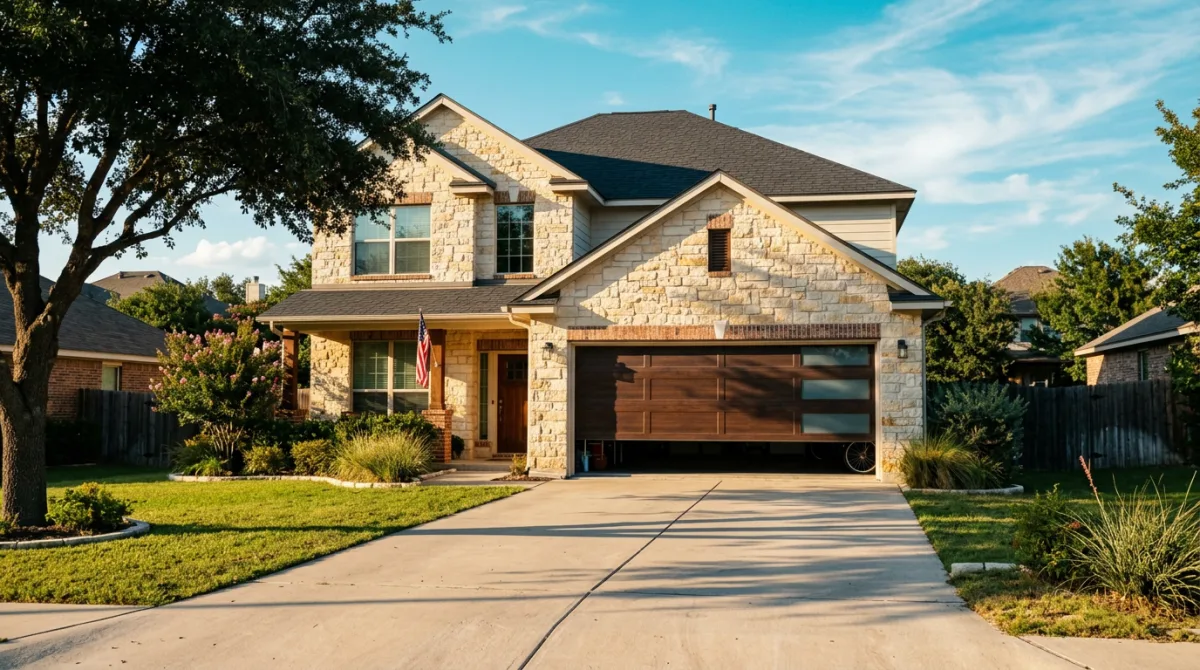
Garage Door Repair vs Replacement: Full Guide
Your garage door is the largest moving component of your home. It opens and closes over a thousand times per year, weighs 150–400 pounds, and accounts for up to 40% of your home’s curb appeal. Despite all that, most homeowners ignore their garage door until it stops working.
When problems arise, the first question is always the same: should you repair the garage door or replace it entirely? The answer depends on the type of problem, the age of the door, repair costs relative to replacement, and whether the issue is structural or cosmetic.
This garage door repair and replacement guide breaks down the decision clearly so you can make the right call for your home and budget.
Common Garage Door Problems and Whether to Repair or Replace
Not all garage door issues are created equal. Some are quick, inexpensive repairs. Others signal that the door has reached end of life.
Problems That Usually Call for Repair
Broken springs. Torsion or extension springs have a lifespan of roughly 10,000 cycles (about 7–10 years of typical use). A broken spring makes the door inoperable but doesn’t mean you need a new door. Spring replacement costs $150–$350 for a professional installation — never attempt this yourself, as springs are under extreme tension and can cause serious injury.
Off-track door. The door has come off its track due to an obstruction, broken cable, or impact. If the track itself isn’t bent or damaged, a technician can realign the door for $125–$200. If the track is bent, track replacement runs $150–$300.
Noisy operation. Grinding, squealing, or rattling usually means worn rollers, loose hardware, or dry bearings. Roller replacement costs $100–$200, and a tune-up (lubrication, tightening, adjustment) runs $75–$150.
Opener malfunction. If the door itself is in good condition but the opener has failed, replacing the opener ($200–$500 installed) is far more cost-effective than replacing the entire door. Modern openers are also quieter and include useful features like smartphone control and battery backup.
Weather seal deterioration. The rubber seals along the bottom and sides of the door wear out over time, letting in drafts, water, and pests. Seal replacement is a simple $50–$150 repair. In Texas, where summer heat and UV exposure accelerate seal degradation, plan on replacing seals every 3–5 years.
Minor dent or panel damage. Individual panels can sometimes be replaced without replacing the entire door. Panel replacement costs $200–$500 depending on the door style and whether the panel is still manufactured.
Problems That Usually Call for Replacement
Structural damage. If the door is severely bent, warped, or has damage across multiple panels, repair costs often approach or exceed replacement costs. A door that’s structurally compromised also poses safety risks.
Chronic malfunction after multiple repairs. If you’ve repaired the same door 3+ times in the past 2 years, the cumulative repair costs and ongoing unreliability justify replacement.
Outdated safety features. Garage doors manufactured before 1993 may lack auto-reverse safety sensors, which are now required by federal safety standards. Retrofitting old doors with modern safety features is often impractical — replacement is the safer path.
Severe weather damage. Major hail, wind, or impact damage that affects the structural integrity of the door typically requires full replacement. In Texas, where severe thunderstorms and hail are common, check whether your homeowner’s insurance covers storm-related garage door damage.
The door is 20+ years old. Most steel garage doors last 15–30 years, and wood doors last 15–20 years with maintenance. If your door is approaching the end of its lifespan and needs significant repair, replacing it with a modern, insulated door is the better investment.
Garage Door Replacement Costs in 2026
Replacement costs vary widely based on material, insulation, size, and style. Here’s what to expect:
| Door Type | Cost (Installed) | Lifespan |
|---|---|---|
| Single-layer steel (non-insulated) | $750–$1,200 | 15–20 years |
| Double-layer steel (insulated) | $1,000–$2,000 | 20–25 years |
| Triple-layer steel (premium insulated) | $1,500–$3,000 | 25–30 years |
| Wood | $1,500–$4,000 | 15–20 years |
| Composite/faux wood | $1,200–$3,500 | 20–25 years |
| Aluminum and glass (modern) | $2,000–$5,000 | 20–25 years |
| Custom/carriage house | $2,500–$10,000+ | 25–30 years |
Additional costs to budget:
- Opener replacement (if needed): $200–$500
- Old door removal and disposal: $50–$100
- Track and hardware replacement: $100–$300
- Electrical work for opener: $100–$250 (if not previously wired)
For Texas homeowners: Insulated doors are strongly recommended. A well-insulated garage door can reduce heat transfer into your garage by 70% — a significant comfort and energy savings when summer temperatures consistently exceed 95°F. Wind-rated doors are also worth considering in coastal and storm-prone areas.
The Repair vs. Replace Decision Framework
Use this framework to make the right call:
Repair if:
- The door is less than 15 years old
- The repair costs less than 50% of a replacement
- The issue is isolated (one spring, one panel, opener only)
- The door’s structure and safety features are intact
- You’re satisfied with the door’s appearance and insulation
Replace if:
- The door is 20+ years old
- Repair costs exceed 50% of a new door
- You’ve had multiple repairs in the past 2 years
- The door lacks modern safety features
- You want to improve curb appeal or insulation
- The door has structural damage or severe warping
The 50% rule. If the repair cost exceeds 50% of the cost of a new, equivalent door, replacement is almost always the better financial decision. You’ll get a new warranty, modern safety features, improved insulation, and better curb appeal.
DIY vs. Professional Garage Door Work
Some garage door maintenance is safe and practical for homeowners. Other work is genuinely dangerous and should only be done by professionals.
Safe for DIY:
- Lubricating rollers, hinges, and tracks (use silicone-based lubricant, not WD-40)
- Tightening loose hardware
- Replacing weather seals
- Testing auto-reverse safety sensors
- Cleaning and touching up paint
Always hire a professional:
- Spring replacement (torsion springs store lethal amounts of energy)
- Cable replacement
- Track realignment or replacement
- Panel replacement
- Full door replacement
- Opener installation involving electrical work
For guidance on which home repairs are safe to DIY and which require a pro, check out our DIY vs. hire a pro guide.
How to Hire a Garage Door Professional
Garage door repair and installation requires specific expertise. Here’s how to find a qualified pro:
- Verify licensing and insurance. Garage door companies should carry general liability insurance at minimum. In many states, they also need a contractor license.
- Get 2–3 written estimates. Estimates should include parts, labor, and warranty terms. Be wary of companies that quote over the phone without seeing the door.
- Check reviews and references. Look for companies with consistent 4+ star ratings and recent reviews. Avoid companies with a pattern of complaints about hidden fees or pressure tactics.
- Ask about warranty. Reputable companies offer 1–5 year warranties on parts and labor. Spring warranties should cover at least 1 year; door warranties should cover 10+ years.
- Beware the “broken spring special.” Some companies advertise extremely low spring replacement prices, then upsell unnecessary services once they arrive. Get the full scope in writing before work begins.
Maintaining Your Garage Door to Extend Its Life
Regular maintenance prevents most garage door problems and extends the door’s usable lifespan by years.
Quarterly maintenance checklist:
- Lubricate all moving parts (rollers, hinges, springs, tracks)
- Tighten bolts and brackets
- Test auto-reverse by placing a 2x4 under the door — it should reverse immediately upon contact
- Inspect weather seals for cracks or gaps
- Check the door’s balance by disconnecting the opener and manually lifting the door to the halfway point — it should stay in place
- Clean tracks with a damp cloth (don’t lubricate tracks — this attracts debris)
- Inspect cables for fraying
Annual maintenance:
- Repaint or reseal wood doors
- Inspect and touch up rust spots on steel doors
- Have a professional inspect springs and hardware
For a complete home maintenance approach including garage door care, our guide on emergency home repairs covers what to do when critical systems fail unexpectedly. And our spring maintenance checklist is a great seasonal resource.
Frequently Asked Questions
How long do garage door springs last?
Standard torsion springs last approximately 10,000 cycles, which translates to 7–10 years of typical use (3–4 open/close cycles per day). High-cycle springs rated for 25,000–50,000 cycles are available and cost $50–$100 more — a worthwhile upgrade for frequently used doors.
Can I replace just one panel of my garage door?
Sometimes. If the panel is still manufactured and the door’s tracks and hardware are in good condition, single-panel replacement is possible and costs $200–$500. However, if the door is older, matching panels may be discontinued, and color/style matching can be difficult.
Is a garage door replacement worth the investment?
A new garage door is consistently rated as one of the highest-ROI home improvement projects, recouping roughly 95–100% of its cost in added home value. Beyond resale value, a modern insulated door improves daily comfort, energy efficiency, and security.
How long does garage door replacement take?
Professional installation of a standard residential garage door takes 3–5 hours, including removal of the old door. Custom or oversized doors may take a full day. Most homeowners can use their garage the same day the new door is installed.
Should I replace my garage door opener at the same time as the door?
If your opener is more than 10 years old, yes. Modern openers are quieter, more reliable, and include safety and convenience features that older models lack. Bundling the replacement often saves on labor costs compared to doing them separately.
Find a trusted pro for your garage door project → houseescort.com