Garage Conversion Cost in Texas: 2026 Guide
House Escort Team
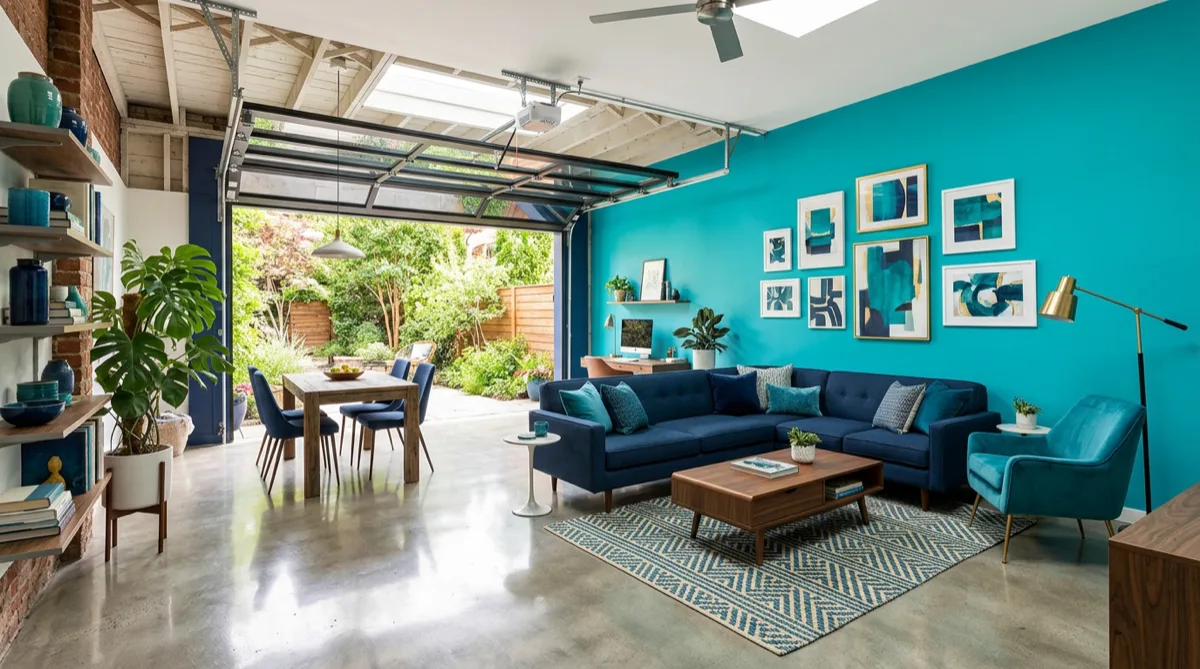
Garage Conversion Cost in Texas: 2026 Guide
Converting a garage into living space is one of the most cost-effective ways to add square footage in Texas. Compared to a home addition, garage conversions reuse an existing structure — meaning no foundation work and no new roofline. That translates to lower cost per square foot and faster project timelines.
But garage conversion cost in Texas varies widely based on what you’re building, where you live, and how complex the work is. This guide breaks down the full cost picture.
Average Garage Conversion Cost in Texas
Typical cost range: $10,000–$50,000 for a standard 2-car attached garage conversion
The wide range exists because “garage conversion” covers everything from a simple insulated room to a fully permitted ADU (accessory dwelling unit) with a kitchenette and bathroom.
| Conversion Type | Estimated Cost (Texas) |
|---|---|
| Basic (insulation, drywall, flooring, HVAC connection) | $10,000–$20,000 |
| Full living space (bedroom/office, no bath) | $20,000–$35,000 |
| Full ADU with bathroom + kitchenette | $35,000–$60,000+ |
| Detached garage conversion to ADU | $40,000–$80,000 |
What Drives the Cost in Texas
City and Market Labor Costs
Labor costs vary significantly across Texas markets:
- Austin — highest in the state; contractor labor rates 15–25% above state average
- Dallas/Fort Worth — moderate-to-high; strong contractor demand keeps prices elevated
- Houston — mid-range; large contractor pool keeps competition healthy
- San Antonio — generally the most affordable major market in Texas
For current repair and renovation cost benchmarks, see our city-specific guides for Houston, Austin, Dallas, and San Antonio.
Permit Requirements
Texas has no statewide building code for residential construction — but most cities and counties do require permits for garage conversions, particularly when adding plumbing or electrical.
Key permit considerations:
- Houston: No city zoning code, but Harris County and adjacent municipalities (Pearland, Katy, Sugar Land) have permit requirements
- Austin: Permits required; ADU-specific rules apply through the Austin Land Development Code
- Dallas: Building permits required; ADU ordinances have specific setback and size limits
- San Antonio: Building permits required for structural changes, plumbing, and electrical
Budget $500–$2,500 for permits and inspections in most Texas cities.
Converting to ADU vs. Living Space
Simple living space — bedroom, office, or bonus room connected to the main home — is the lower-cost option. It typically requires:
- Insulation (walls and ceiling)
- Interior finishes (drywall, flooring, paint)
- HVAC extension or mini-split unit
- Electrical upgrades
ADU (accessory dwelling unit) — a fully independent living unit with its own bathroom, kitchenette or kitchen, and often a separate entrance — costs significantly more because it requires:
- Plumbing rough-in for bathroom and kitchen fixtures
- Water and sewer tie-ins (or separate meter depending on city)
- HVAC system (typically separate from main house)
- Egress window if required for bedroom classification
- Fire separation requirements if required by local code
ADUs in Texas can be rented as long-term or short-term rentals, which improves the ROI calculation considerably.
HVAC for a Converted Garage
Garages in Texas are not climate-controlled, and converting one means adding heating and cooling. Your options:
- Extending existing HVAC: Least expensive if your current system has capacity. Requires ductwork extension and may need a larger air handler. Cost: $1,500–$4,000.
- Mini-split system: Independent from the main house, efficient, and ideal for spaces over 400 sq ft or where duct extension isn’t practical. A single-zone 12,000–18,000 BTU unit runs $1,500–$3,500 installed.
In Texas, the air conditioning side matters more than heating. Budget for proper capacity sizing — a poorly sized unit in a Texas garage will run constantly in July and still not adequately cool the space.
Cost Breakdown by Component
For a standard 2-car garage (~500 sq ft) conversion to living space in a mid-range Texas market:
| Component | Estimated Cost |
|---|---|
| Insulation (walls, ceiling, door) | $1,500–$3,500 |
| Drywall and finishing | $2,000–$5,000 |
| Flooring (LVP or concrete polish) | $2,000–$5,000 |
| HVAC (mini-split or duct extension) | $2,000–$5,000 |
| Electrical (outlets, lighting, circuit) | $1,500–$3,500 |
| Garage door replacement (with framed wall) | $2,000–$4,500 |
| Windows (2–3 added) | $1,500–$4,000 |
| Permits and inspections | $500–$2,000 |
| Total | $13,000–$32,500 |
Add $8,000–$20,000 for a bathroom. Add $5,000–$12,000 for a kitchenette. These ranges assume hiring licensed contractors — not DIY.
Zoning and HOA Considerations
Before committing to a garage conversion, check:
-
HOA rules: Many Texas HOAs prohibit converting garages to living space or require a certain number of covered parking spaces. Review your CC&Rs or contact the HOA directly before budgeting.
-
Minimum parking requirements: Some cities require a minimum number of off-street parking spaces. Converting your only garage could put you out of compliance.
-
Short-term rental restrictions: If you plan to Airbnb an ADU, Austin, Dallas, and some Houston-area municipalities have STR licensing requirements.
Is a Garage Conversion Worth It?
The ROI depends on your use case:
- Adding living space for your household: Strongly positive — typically $50–$100 per square foot added, compared to $150–$250/sq ft for a new addition
- Long-term rental ADU: Positive in most Texas markets; ADU rental income in Austin or Dallas can recoup conversion costs in 3–5 years
- Increasing resale value: Varies — converted garages are valued inconsistently by appraisers; some buyers prefer covered parking
For most Texas homeowners adding usable square footage, the math favors conversion over addition when the existing garage structure is sound.
Finding Contractors for a Garage Conversion
Garage conversions involve multiple trades — general contractor, electrician, plumber (if adding bath), and HVAC. Get at least three quotes and make sure every contractor is properly licensed for their trade in Texas.
See our guides on questions to ask a contractor before hiring and how to hire a reliable contractor to avoid common mistakes.
Find vetted local contractors at houseescort.com — free for homeowners, zero fees.
Frequently Asked Questions
Do I need a permit to convert a garage in Texas?
In most Texas cities, yes — especially if you’re modifying electrical, adding plumbing, or changing the structural use of the space. Permit requirements vary by municipality. Check with your local city building department before starting work. Unpermitted conversions can cause problems at resale and may not meet insurance or lender requirements.
How long does a garage conversion take?
A basic garage conversion (insulation, drywall, flooring, HVAC) typically takes 3–6 weeks. A full ADU with plumbing takes 8–16 weeks depending on permit timelines and contractor availability.
Can I convert my garage to a rental unit in Texas?
Texas law generally allows ADUs, but city-level rules vary. Austin has an active ADU ordinance that allows rentals. Houston has minimal zoning restrictions. Dallas and San Antonio have specific ADU rules. Check local ordinances and HOA rules before assuming rental use is permitted.
Will a garage conversion add value to my home?
It depends on your market and the quality of the conversion. Professionally finished conversions with permits typically add $20–$40/sq ft in appraised value in most Texas markets. ADUs with independent living capability (bathroom, kitchenette) appraise higher and appeal to more buyers.
What’s the difference between a garage conversion and an ADU?
A garage conversion is any repurposing of garage space for living use. An ADU (accessory dwelling unit) specifically refers to a self-contained living space with its own bedroom, bathroom, and often a kitchen — capable of functioning independently from the main home. ADUs typically require more permits and cost more but have greater income potential.