Foundation Repair Cost in Texas: 2026 Guide
House Escort Team
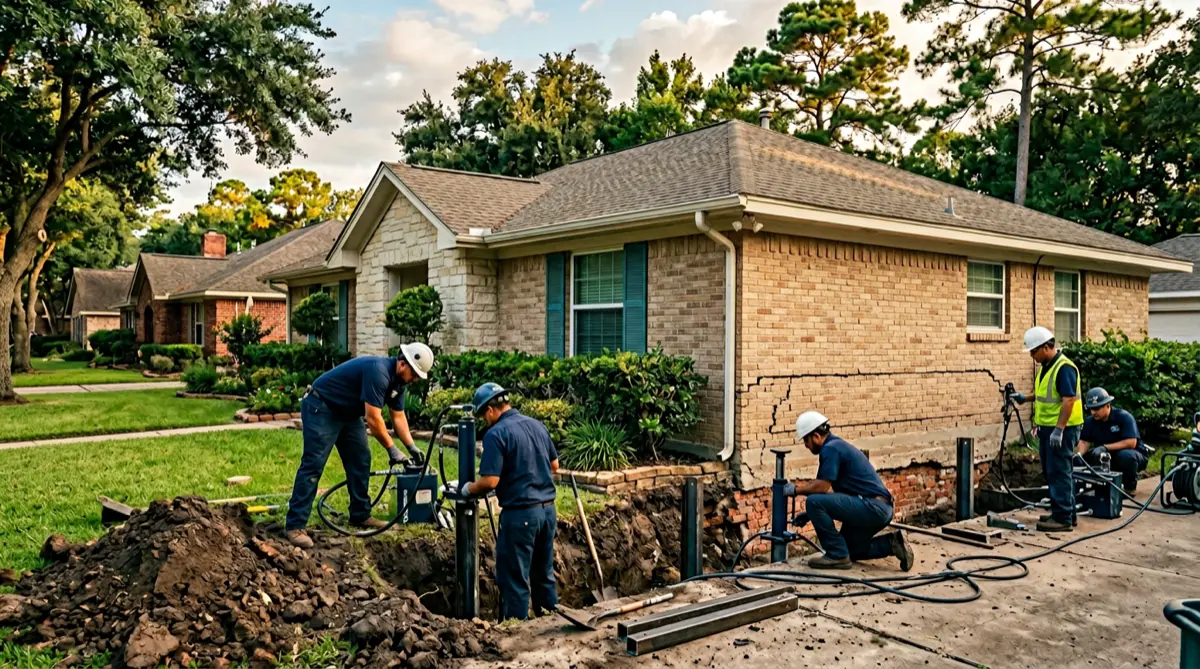
Foundation problems are one of the most feared issues for Texas homeowners — and for good reason. Texas’s expansive clay soil, which shrinks in drought and swells with rain, is notoriously hard on foundations. Foundation repair can range from a few thousand dollars to well over $20,000 depending on the severity of the problem and the repair method.
Here’s what you need to know about foundation repair costs in Texas, how different methods compare, and how to find a trustworthy contractor.
Why Texas Has So Many Foundation Problems
Texas sits on some of the most problematic soil in North America for residential construction. The state’s black and gray clay soils — sometimes called “expansive” or “shrink-swell” soils — absorb large amounts of water when wet, causing them to expand, and shrink significantly when dry, causing them to contract.
When the soil under your foundation moves up and down with the seasons, your concrete slab or pier-and-beam foundation moves with it. Over years, this movement causes cracks, differential settling, and doors and windows that stick or won’t close.
The Houston area is particularly prone to foundation issues because:
- High clay soil content throughout Harris and surrounding counties
- Significant seasonal variation in moisture — drought summers followed by wet winters
- Flat terrain that limits drainage
Signs You Need Foundation Repair
Watch for these warning signs in your Texas home:
- Cracks in interior drywall: Diagonal cracks running from door and window corners are particularly telling
- Sticking or misaligned doors and windows: Doors that drag on the floor or won’t latch properly
- Uneven floors: Floors that slope noticeably, especially toward the center of the house
- Gaps between walls and ceilings or floors: Visible separation at wall/ceiling junctions
- Exterior foundation cracks: Cracks in the brick veneer, especially stair-step cracks following mortar joints
- Bowing walls in a basement or crawl space (less common in Texas, but present in some older pier-and-beam homes)
Not all cracks indicate foundation problems — hairline shrinkage cracks in drywall are normal in new construction. If you see multiple signs, or if cracks are widening over time, get a professional evaluation.
Foundation Repair Cost in Texas: By Method
Pressed Pier Installation (Steel or Concrete Piers)
Pressed concrete piers (also called push piers or resistance piers) are the most common foundation repair method in Texas. A hydraulic ram drives steel tubes or precast concrete cylinders into the ground until they reach load-bearing soil or bedrock. The foundation is then lifted and leveled on these new piers.
Cost per pier: $300–$500 for concrete piers; $500–$900 for steel helical piers Typical number of piers: 10–30+ depending on house size and severity Total cost range: $3,500–$12,000 for a typical Texas home repair
Concrete pressed piers are the most affordable option. Steel helical piers penetrate deeper and provide better support in certain soil conditions, but cost more.
Slab Leveling (Mudjacking / Polyjacking)
Mudjacking (pumping a slurry of cement and soil) or polyjacking (injecting expanding polyurethane foam) lifts and levels concrete slabs by filling voids beneath them.
This method works best for isolated settling of concrete pads (driveways, patios, garage floors, steps) rather than full foundation repair. For whole-house foundation issues caused by soil movement, piers are typically more appropriate.
Mudjacking cost: $600–$2,500 depending on the area treated Polyjacking cost: $800–$4,000 — more expensive but less invasive and lighter material
Drilled Concrete Piers (Bell-Bottom Piers)
Bell-bottom (or caisson) piers are drilled holes filled with concrete, belled out at the bottom for load distribution. This is an older method still used in parts of Texas, particularly in areas where pressed piers have limited effectiveness due to soil conditions.
Cost per pier: $800–$1,500 Total cost range: $5,000–$20,000+ depending on depth and number required
Spot Repairs
If the foundation has only isolated damage or minor settling, a foundation contractor may recommend targeted spot repairs — addressing specific problem areas rather than a comprehensive underpinning. This can cost as little as $1,500–$3,500 for limited work.
City-by-City Foundation Repair Cost Estimates
Costs vary within Texas based on labor market, soil conditions, and typical severity:
| City | Typical Range |
|---|---|
| Houston | $4,000–$15,000 |
| Dallas | $4,500–$13,000 |
| Austin | $3,500–$12,000 |
| San Antonio | $3,000–$11,000 |
| Fort Worth | $3,500–$12,000 |
Houston tends toward the higher end of the range because of challenging soil conditions and depth requirements. Austin and San Antonio often benefit from bedrock closer to the surface in some areas, which can reduce pier depths and costs.
For Houston-specific home repair cost context, see our Houston home repair costs guide.
Is Foundation Repair Covered by Homeowners Insurance?
Generally, no. Standard homeowners insurance policies exclude foundation damage caused by:
- Soil movement (settling, shrinking, swelling)
- Poor soil compaction during original construction
- Tree root damage
- Gradual deterioration
Insurance typically only covers sudden, accidental events — like a water pipe bursting under the foundation. Even then, coverage is for the water damage to the structure, not the foundation repair itself.
A home warranty may cover some foundation issues depending on the plan terms, but most standard home warranty plans also exclude foundation damage. Read the fine print carefully.
Finding a Trustworthy Foundation Repair Contractor
Foundation repair is a specialty trade. When evaluating contractors:
- Get multiple opinions: Because foundation diagnosis involves judgment calls, get 2–3 independent assessments. Beware of contractors who diagnose major problems on a free inspection — some inflate the severity to justify larger contracts.
- Check the warranty: Reputable contractors offer a lifetime transferable warranty on their pier installation. This warranty should transfer to a new buyer if you sell the home.
- Verify they follow Texas Engineering Board guidelines: Significant foundation repairs in Texas may require an engineer’s assessment. Some contractors work with licensed engineers; others skip this step.
- Look for long-established companies: Foundation repair companies that have been in business for 10+ years in Texas have a track record.
House Escort helps homeowners find trusted foundation repair contractors in Houston, Dallas, Austin, and across Texas. Visit houseescort.com to find a vetted pro.
Also see our guide on questions to ask a contractor before hiring before signing any foundation repair agreement.
Frequently Asked Questions
How much does it cost to fix a foundation in Houston?
Foundation repair in Houston typically costs $4,000–$15,000 for a standard single-family home, depending on the severity of settling and the number of piers required. Houston’s clay-heavy soil and high moisture variability make foundation issues common and sometimes severe. Get multiple quotes — pricing can vary significantly between contractors.
Is foundation repair worth it in Texas?
Yes, in almost all cases. Untreated foundation problems worsen over time, leading to more expensive repairs, structural damage, and difficulty selling the home. Most foundation repair adds dollar-for-dollar value to a home, and a lifetime transferable warranty makes the investment attractive for resale.
How long does Texas foundation repair take?
Most foundation pier installations take 1–3 days for a standard home. More extensive repairs or larger homes may take a week. You’ll typically be able to remain in your home during the repair. After lifting, some cosmetic repairs (drywall patching, door adjustments) may be needed.
What’s the difference between concrete piers and steel piers for Texas foundations?
Concrete pressed piers are more affordable and work well in many Texas soil conditions. Steel helical piers penetrate deeper and create a mechanical anchor that resists both downward load and upward movement (relevant in expansive clay that can push upward seasonally). Steel piers cost more but may be more appropriate in severe cases or very active soil zones. Your foundation contractor should be able to explain which approach fits your soil and severity.
Can I sell a Texas home with foundation issues?
Yes, but Texas law requires sellers to disclose known foundation problems. Undisclosed foundation issues are a common source of real estate litigation. Options: repair before listing (may increase sale price), price the home to reflect the issue, or negotiate a credit with the buyer. Most buyers will require foundation inspection as a contingency regardless.