How to Grow Your Flooring Contractor Business
House Escort Team
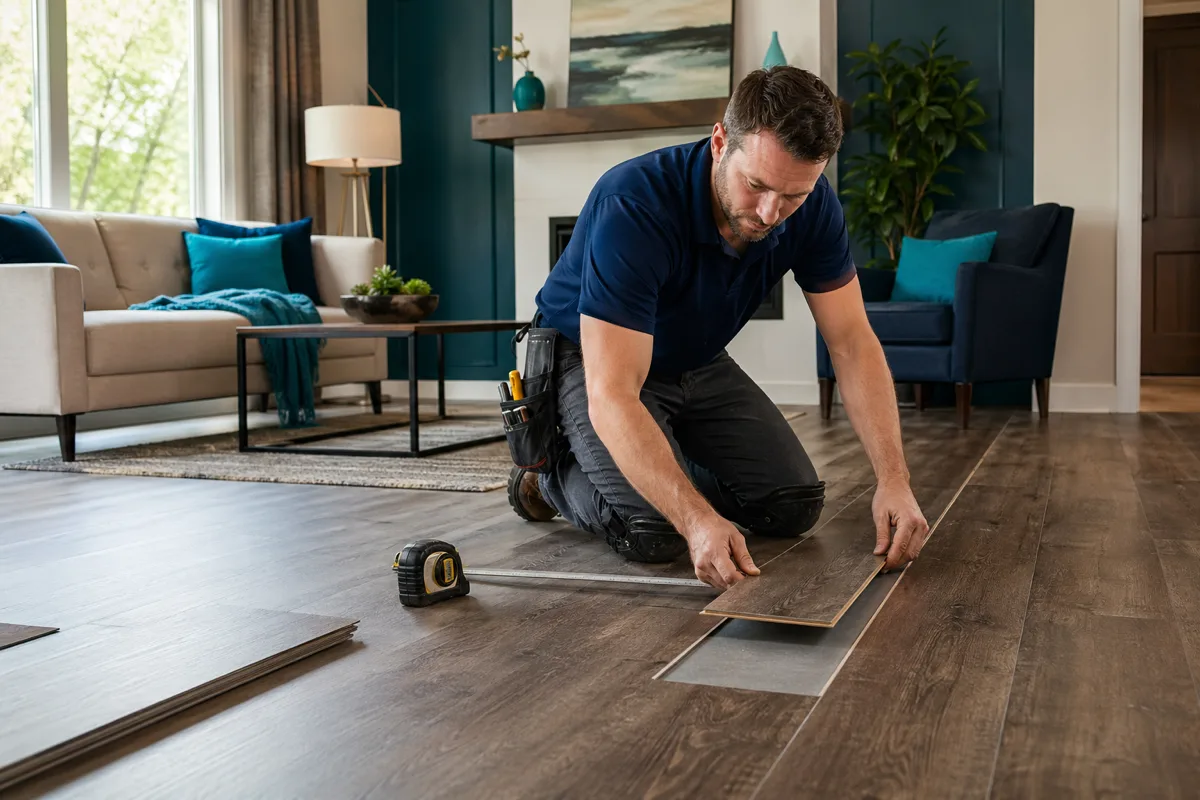
Running a successful flooring business means mastering three things: finding consistent work, charging what you’re worth, and keeping as much of your revenue as possible. Too many flooring contractors find themselves working constantly but still struggling financially — often because they’re handing 10-30% of every job to lead generation platforms that take a cut before the work even starts.
The flooring contractors doing well in 2026 have figured out how to acquire clients at low cost, deliver excellent work that drives referrals, and price confidently.
The Flooring Contractor Revenue Problem
Most flooring contractors first look to platforms like Angi (formerly Angie’s List) or Thumbtack when they need more leads. On the surface, it looks affordable — pay per lead or per job. In practice, the math gets ugly fast:
- Angi: Lead fees of $15-$85 per lead, with no guarantee of winning the job. A slow month can cost $500-$2,000 in leads with limited return
- Thumbtack: Credits-based system; flooring leads run $30-$80 each
- Commission platforms: Some platforms take 10-30% of the project total
On a $5,000 hardwood installation, a 20% platform commission is $1,000 — for a client you did all the work to serve. That’s money that should go to your labor, materials, overhead, and profit.
Flooring contractors on House Escort pay a flat monthly fee and keep 100% of what they earn on every job. No lead fees. No commissions. No per-project deductions.
Building a Sustainable Lead Pipeline
1. Google Business Profile (Your Highest-ROI Asset)
A well-optimized Google Business Profile (GBP) drives inbound calls at zero cost per lead. For flooring contractors, this means:
- Complete your profile completely: Every field matters. Services offered, hours, photos, description with location + service keywords
- Photos matter dramatically: Before/after project photos drive more trust than anything else. Upload 20-30 high-quality project photos covering different flooring types (hardwood, LVP, tile, carpet)
- Generate reviews systematically: After every job, text the client a direct link to leave a Google review. Most happy clients will do it if it’s one tap away
- Respond to every review: Both positive and negative. This signals active management to Google and potential clients
A flooring contractor in a city of 200,000 with a well-optimized GBP and 50+ genuine reviews can generate 5-15 inbound leads per month at zero direct cost.
2. Referral Programs That Actually Work
Your best future clients already know your best past clients. Structure your referral incentive to activate this:
- Client referral: $50-$150 credit toward a future flooring service for every referred job that closes
- Trade referral network: Realtors, home stagers, interior designers, and general contractors all recommend flooring pros. Offer a referral fee (typically $100-$250 per closed job, or a percentage) to trade partners
- Track referrals systematically: Use a simple spreadsheet or CRM to know where every job came from. This tells you which referral sources to invest in
Referrals close at dramatically higher rates than cold leads — often 60-80% vs. 20-30% for paid leads. Nurturing your referral network is the highest-leverage growth activity most flooring contractors underinvest in.
3. Neighborhood Targeting
Flooring jobs cluster geographically. When you’re working in a neighborhood:
- Leave a yard sign (with homeowner permission) — “Flooring by [Your Company] • [Phone]” at the jobsite
- Door hang flyers in nearby homes — “Working in your neighborhood. Premium flooring installation. Local. Reliable.” with a QR code to your GBP
- Post job-in-progress photos to local Facebook groups with the homeowner’s permission
This “neighborhood cluster” approach means one job can generate 2-3 more in the same area, dramatically lowering your effective cost per acquisition.
Pricing Your Flooring Work Correctly
Underpricing is the most common mistake flooring contractors make — and it compounds. Low prices attract price-sensitive clients, create thin margins, prevent investing in better tools or employees, and trap you in a volume game that burns you out.
Know Your True Costs
Before pricing any job, know:
- Material cost (with 10-15% waste factored in)
- Labor cost (your time + any helpers, fully loaded)
- Subfloor prep cost (often underestimated)
- Overhead allocation (insurance, vehicle, tools, marketing, admin — divide monthly overhead by billable jobs)
- Target margin (20-35% net is healthy for established contractors)
Flooring Installation Price Ranges (2026)
| Flooring Type | Material (per sq ft) | Installation (per sq ft) | Total Range |
|---|---|---|---|
| Luxury Vinyl Plank (LVP) | $2-$6 | $2-$4 | $4-$10/sq ft |
| Hardwood (solid) | $5-$15 | $4-$8 | $9-$23/sq ft |
| Engineered Hardwood | $4-$12 | $3-$6 | $7-$18/sq ft |
| Tile | $2-$20 | $5-$12 | $7-$32/sq ft |
| Carpet | $2-$7 | $1-$3 | $3-$10/sq ft |
| Laminate | $2-$6 | $2-$4 | $4-$10/sq ft |
Regional variation: Texas, Florida, and Southeast markets have higher labor demand than Midwest markets. Premium finishes, stairs, pattern work, and moisture-barrier requirements add to installation complexity and price.
Charge for Subfloor Work
Subfloor prep is where flooring jobs go over budget and over time. A clear quoting process should include:
- Inspection of subfloor condition before quoting (add a diagnostic fee if needed for very large jobs)
- Separate line item for subfloor leveling, squeaks, repairs, or moisture barriers
- Clear language in your contract about subfloor change orders
Never absorb subfloor surprises into your base price — clients should understand that what’s under the floor affects the cost.
Operations That Scale
Streamline Your Quoting Process
Slow quotes lose jobs. A flooring contractor who gets a proposal in the homeowner’s inbox within 2-4 hours of a site visit wins more jobs than one who takes 3 days. Invest in:
- A quote template (Word or Google Doc) that has all your standard items pre-populated
- Square footage calculation tools (apps on your phone)
- A simple follow-up sequence (call or text if no response in 48 hours)
Contracts Protect Everyone
Every job should have a written contract. Non-negotiable. Your contract should cover:
- Scope of work (areas, flooring type, installation method, any exclusions)
- Material supply (who purchases, who is responsible for defects)
- Subfloor conditions clause (what happens if unexpected issues arise)
- Payment schedule (deposit, progress, final)
- Timeline and warranty terms
A one-page contract isn’t bureaucratic — it’s protection for both you and the homeowner, and it signals professionalism.
Hire Strategically as You Grow
Most flooring contractors hit a ceiling when they’re the only installer. Growth requires adding capacity:
- Helper/apprentice: Start here. Reduces your physical labor, speeds installs, and begins your labor pipeline
- Second crew: When you have consistent 3+ week backlogs, a second crew can double revenue without doubling your personal work hours
- Project manager: When managing multiple crews, an on-site PM becomes cost-effective
Each hire should be financially modeled before bringing them on — know the breakeven number of jobs per week to cover the addition.
Join a Platform That Works for You
House Escort connects flooring contractors directly with homeowners who need their services — and keeps the business model simple: pay a flat monthly membership, keep 100% of what you earn. No bidding wars, no lead fees, no commission on your revenue.
With 1 month free to start, you can test the lead quality before committing. See our guide on building a contractor business plan that drives consistent growth for a full growth system.
Frequently Asked Questions
How much should a flooring contractor charge per hour?
Flooring contractor labor rates range from $50-$120/hr depending on region, experience, and flooring type. Most contractors use per-square-foot pricing rather than hourly for installation work, as it provides predictability for clients. Complex work (pattern tile, stairs, subfloor repair) typically commands premium rates.
How do flooring contractors find clients without paid advertising?
Google Business Profile optimization, systematic referral programs (with trade partners and past clients), and neighborhood marketing (yard signs, door hangers, community groups) are the three highest-ROI methods for flooring contractors. These generate consistent inbound leads without per-lead fees that eat into margins.
What licenses does a flooring contractor need in Texas?
Texas does not require a statewide contractor license specifically for flooring installation. However, subcontracting under a general contractor may require being registered, and some cities/counties have local registration requirements. Business registration, liability insurance, and workers’ compensation (if you have employees) are the essentials. Always check local requirements.
How can I increase my flooring business profit margins?
The highest-impact moves: raise prices to market rate (most undercharging contractors can raise 10-20% without losing jobs), eliminate high-commission lead platforms in favor of flat-fee or owned marketing channels, charge accurately for subfloor work (stop absorbing surprises), and build referral systems that generate zero-cost warm leads.
What’s the best platform for flooring contractors to get leads?
The best platforms provide quality leads without eating into your margins. House Escort uses a flat monthly fee model — you keep 100% of your job earnings without per-lead fees or commissions. Google Business Profile is the other essential channel — free, high-intent, and local.