Fence Repair Cost in Texas: 2026 Guide
House Escort Team
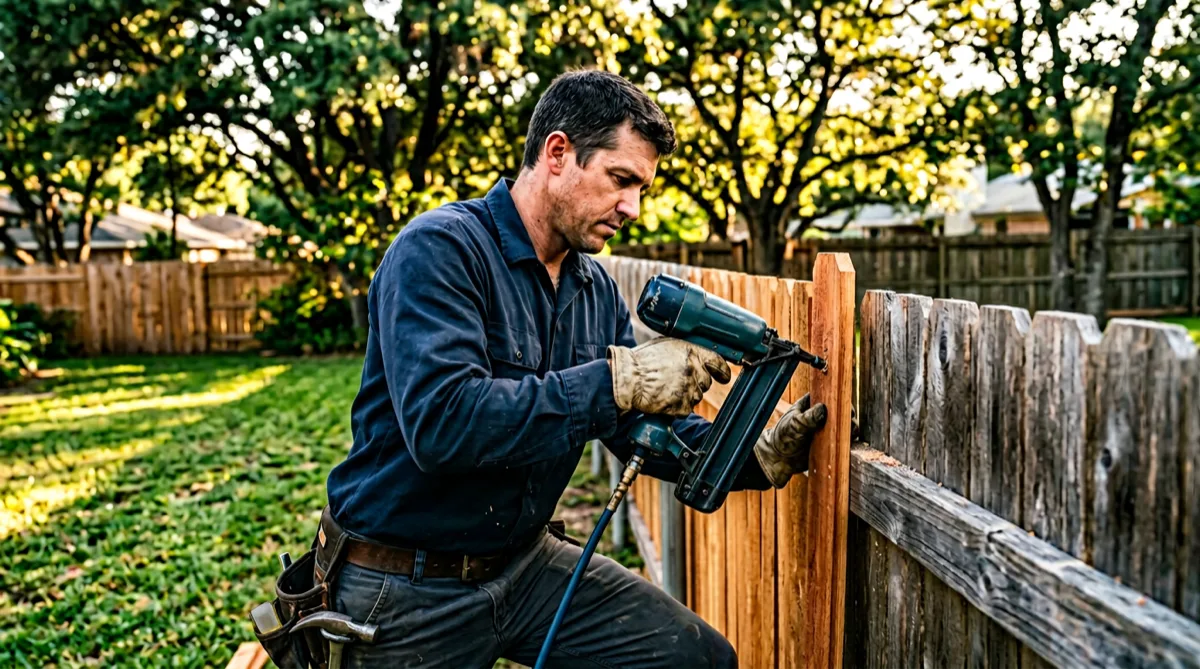
Fence damage is one of the most common home repair needs in Texas. Between windstorms (DFW gets powerful straight-line winds), hail events, wood rot from humidity and soil contact, and impact damage, most Texas wood fences need significant repairs every 5–8 years.
This guide covers what fence repairs cost in Texas in 2026, what drives the price, and when to repair versus replace.
Texas Fence Repair Cost Overview
| Repair Type | Typical Texas Range |
|---|---|
| Single post replacement | $100–$300 per post |
| Multiple post replacement (3–5) | $80–$200 per post |
| Board replacement (per board) | $15–$35 per board |
| Leaning fence re-set (per section) | $150–$400 per section |
| Gate repair or re-hang | $100–$350 |
| Full section rebuild (8 linear ft) | $250–$600 per section |
| Storm damage repair (whole fence) | $800–$5,000+ |
Prices represent combined material and labor for Texas residential repairs in 2026. DFW and Houston contractor rates run slightly higher than smaller Texas markets.
What Drives Fence Repair Costs in Texas
1. Post Material and Depth
The post is the structural element of any wood fence. Texas soil — especially the expansive clay soil common in DFW and central Texas — moves with moisture, which works posts loose over time.
Post repair costs vary by:
- Concrete vs no-concrete: Setting posts in concrete costs more upfront but lasts significantly longer in Texas clay soils. Posts set without concrete loosen much faster.
- Post depth: Code in most Texas cities requires 1/3 of the post to be underground (a 6-foot fence = 2-foot depth minimum). Improperly shallow posts fail faster.
- Post material: Pressure-treated pine posts (the standard) cost $20–$45 per post material. Cedar costs more but is naturally rot-resistant. Metal/steel post alternatives cost $50–$100+ per post but last far longer.
The soil issue: After any major rain event, Texas clay soils expand and can literally push posts out of alignment. After drought, they contract and leave gaps around posts. This cycle is the #1 cause of leaning and failing wood fences in DFW and central Texas.
2. Wood Species and Board Quality
Standard privacy fence boards (8’ cedar dog-ear):
- Builder-grade: $8–$12 per board
- Select cedar (fewer knots, better grain): $12–$18 per board
Cedar is the gold standard for Texas fences because it’s naturally rot-resistant and handles the humidity/dry cycles better than pine. Pressure-treated pine is cheaper but more prone to warping in Texas climate swings.
3. Extent of Storm Damage
Texas windstorms can take down entire fence sections at once. When 10+ consecutive panels are damaged or destroyed, full replacement is often more economical than piecemeal repair.
Storm damage cost factors:
- Debris removal from downed fence
- Number of posts destroyed vs. intact
- Whether neighbor’s fence is on the shared line (shared cost agreements vary)
- Insurance coverage — many Texas homeowner policies cover fence damage from named storms, hail, and wind events
Texas insurance note: Check your homeowners policy. Wood fence damage from windstorms is typically covered under Coverage B (Other Structures), subject to your deductible. Damage from dry rot, wood-eating insects, or general deterioration is NOT covered — it’s considered maintenance deferred.
How to Find and Hire a Contractor
Common Texas Fence Problems and Repairs
Leaning Fence
The most common call from Texas homeowners. Usually caused by posts working loose in clay soil or posts rotting at the soil contact point.
Diagnosis: Push on the top of a fence panel. If the post rocks in the ground, the post is loose. If the post is firm but the boards are separating or bowing, the issue is board or rail failure.
Repair options:
- Post sister (attach a new post alongside the failed one and connect rails to it) — less invasive than full post replacement
- Full post pull and re-set with concrete
- Metal repair plates for rail attachment failures
Cost: $150–$350 per leaning section for post sistering; $200–$400 for full post replacement with concrete.
Missing or Broken Boards
Individual board replacement is the most straightforward fence repair. Labor cost for a single-board swap is typically $50–$100 (not worth a separate trip — wait until you have several boards to replace).
Gate Issues
Gates are the highest-maintenance part of any wood fence. Common gate repairs:
- Sagging gate: Usually a failing hinge or improperly framed gate. Re-hanging a gate with heavy-duty hinges: $100–$250.
- Gate not latching: Latch adjustment or replacement: $50–$150.
- Gate frame rot: If the gate frame is rotting, full gate replacement (not just hardware) is the right call. A new 4-foot wood gate installed: $300–$600.
Post Rot at Ground Line
This is the most common post failure mode. The 6 inches above and below grade is where wood is wettest and most vulnerable to rot.
Prevention: Post caps (keeps rain out of end grain), concrete collars with positive drainage away from the post, and fast-draining backfill material reduce rot speed significantly.
Repair: If less than 1/3 of the post circumference is compromised, a post base repair bracket (E-Z Mender type) can be installed to the intact section. If rot is severe, full post replacement is necessary.
Repair vs Replace: The Texas Decision
Repair makes sense when:
- Less than 25–30% of fence sections need attention
- Posts are structurally sound; only boards are failing
- Fence is less than 8 years old
- Storm damage is isolated to one or two sections
Replace makes sense when:
- More than 40% of posts are rotted, broken, or leaning
- Fence is 12–15+ years old — even sections that look okay may fail within 1–2 years
- HOA requires uniformity and repairs create a patchy look
- Insurance claim makes full replacement financially viable
A reputable Texas fence contractor will give you an honest assessment. Be skeptical of contractors who always recommend full replacement without identifying specific failing components.
Find a Fence Contractor on House Escort
Find a Vetted Fence Contractor Near You →
Frequently Asked Questions
How much does it cost to replace a wood fence post in Texas?
Single post replacement in Texas (material + labor) typically runs $100–$300. Multiple post replacement in the same visit drops to $80–$200 per post because travel and mobilization costs are spread across the job. Getting 3+ posts done in one trip is significantly more economical than separate visits.
Does homeowners insurance cover fence damage in Texas?
It depends on the cause. Wind, hail, and storm damage are typically covered under the “other structures” portion of a standard Texas homeowners policy (usually 10% of dwelling coverage). Damage from neglect, rot, termites, or normal deterioration is not covered. File a claim for storm damage promptly — most Texas policies have specific timing requirements for storm damage claims.
Is cedar or pressure-treated pine better for Texas fences?
Cedar is generally better for Texas climate. It’s naturally rot-resistant, handles humidity cycles better, and typically warps less than pressure-treated pine. Cedar costs 20–30% more than treated pine per board but tends to outlast it in the Texas environment. For posts (ground contact), pressure-treated wood rated for ground contact (UC4B or higher) is appropriate — or consider metal post alternatives for maximum longevity.
How long does a wood fence last in Texas?
A well-built cedar privacy fence in Texas lasts 15–20 years with proper maintenance (annual staining or sealing). Pressure-treated pine fences typically last 10–15 years. Posts often fail before boards — the ground-contact section is the limiting factor. Regular inspection (wiggling each post at the base) and immediate repair of failing posts prevents cascade failures where one leaning post takes down adjacent sections.
When is the best time of year for fence repair in Texas?
Spring and fall are the best seasons. Avoid summer heat for major fence work — extreme heat makes concrete set faster (sometimes too fast for proper consolidation) and is miserable for work crews. Winter is generally fine for repairs except in north Texas during ice storms. Many contractors have lighter schedules in January–February and may offer better availability or pricing.