DIY vs Hiring a Pro: When to Call the Experts
House Escort Team
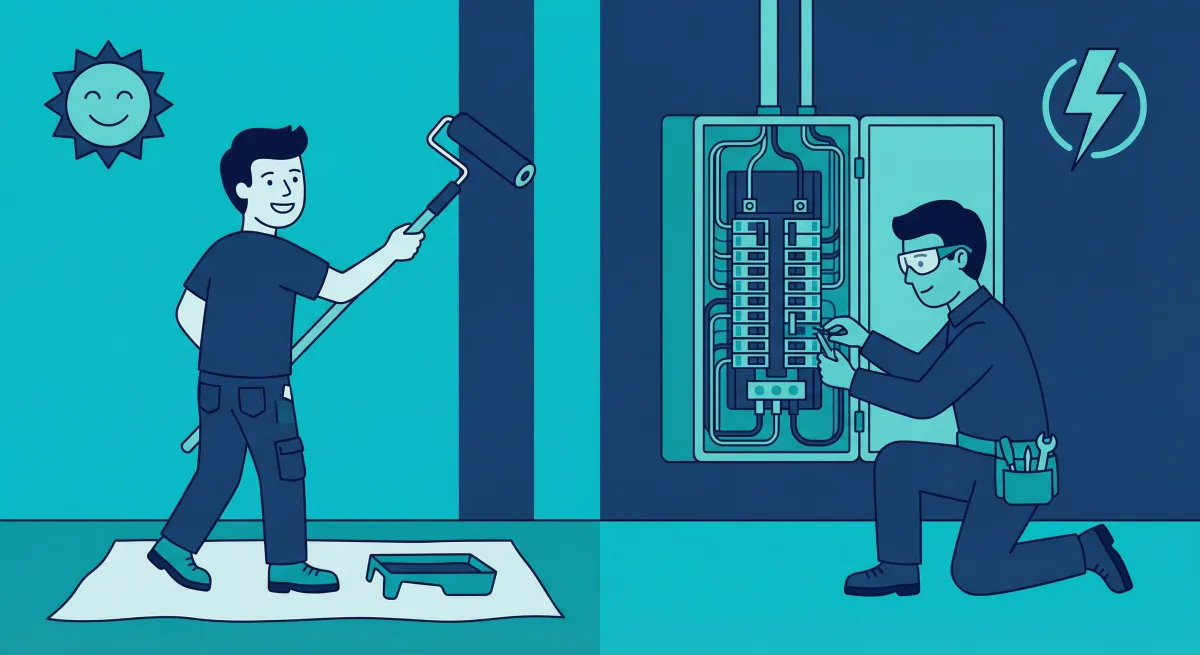
DIY vs Hiring a Pro: When to Call in the Experts
The internet has turned every homeowner into a potential DIYer. YouTube tutorials, home improvement blogs, and hardware store workshops make it seem like any project is within reach. And for many projects, that’s true — a fresh coat of paint, a new faucet, or a weekend garden bed are perfectly manageable without professional help.
But some projects cross a line where DIY goes from money-saving to dangerous, illegal, or ultimately more expensive than hiring a professional in the first place. Knowing where that line falls for each type of project saves you money, protects your home’s value, and keeps your family safe.
The DIY Decision Framework
Before picking up a tool or picking up the phone, run the project through these five questions:
-
Does it require a permit? If yes, you almost certainly need a licensed professional. Unpermitted work can create issues with insurance claims, home sales, and code enforcement.
-
Could a mistake cause injury? Electrical shocks, gas leaks, structural collapses, and falls from heights are real risks that kill and injure homeowners every year.
-
Could a mistake cause significant property damage? A plumbing error that floods your house or an HVAC repair that damages your system costs far more than hiring a pro would have.
-
Do I have the right tools and skills? Owning a drill doesn’t make you qualified to wire a sub-panel. Be honest with yourself about your actual skill level.
-
What’s the real cost comparison? Factor in your time, tool purchases/rentals, materials (pros get contractor pricing), and the risk of having to redo the work. DIY isn’t always cheaper.
Projects That Are Safe to DIY
These projects are low-risk, don’t require permits, and can be completed with basic tools and moderate skill.
Interior Painting
Why it’s DIY-friendly: No permits, no safety hazards beyond basic ladder use, and the learning curve is gentle.
What you’ll need: Brushes, rollers, painter’s tape, drop cloths, primer, paint
Cost savings: Professional interior painting costs $300–$700 per room. DIY materials run $50–$150 per room — a 60–80% savings.
Tips for success:
- Spend time on prep — taping, priming, and surface repair are where quality shows
- Use quality paint (Benjamin Moore, Sherwin-Williams). Cheap paint requires more coats and looks worse
- Remove outlet covers and light switch plates
- Paint ceiling first, then walls, then trim
Basic Landscaping
Why it’s DIY-friendly: Physical labor, but no technical complexity or safety risks.
Safe to DIY:
- Planting beds, shrubs, and trees (call 811 to mark utilities first)
- Mulching and edging
- Basic lawn care and maintenance
- Installing garden borders and pavers for walkways
- Power washing (with proper technique)
Hire a pro for: Grading and drainage work, retaining walls over 3 feet, large tree removal, irrigation system installation.
Minor Fixture Replacements
What’s safe:
- Replacing a kitchen or bathroom faucet (if you can turn off the shut-off valves)
- Swapping out light fixtures (turn off the breaker first)
- Replacing cabinet hardware
- Installing a new toilet seat
- Replacing showerheads
What’s not safe:
- Moving plumbing to a new location
- Adding new electrical circuits
- Anything that requires cutting into walls for access
Weatherstripping and Caulking
Why it’s DIY-friendly: Simple materials, basic application, and meaningful energy savings.
What to do:
- Replace weatherstripping around exterior doors
- Caulk around windows, tubs, sinks, and where siding meets trim
- Add door sweeps to reduce drafts
- Seal gaps around pipe and wire penetrations
Cost: Under $50 in materials. Professional caulking costs $200–$500+ for a whole-house treatment.
Drywall Patching (Small Holes)
Why it’s DIY-friendly: Patching small holes from picture hangers, doorknobs, or minor damage is straightforward.
What you’ll need: Spackle or joint compound, putty knife, sandpaper, primer, paint
When to hire a pro: Large holes (bigger than 6 inches), water-damaged drywall (need to find and fix the source first), ceiling repairs, or textured walls that require matching.
Projects That Need a Licensed Professional
These projects involve safety risks, code requirements, permits, or technical complexity that makes DIY inadvisable — and potentially illegal.
Electrical Work
Why you need a pro: Electrical mistakes cause over 50,000 house fires per year in the United States. Beyond fire risk, incorrect wiring can create shock hazards, damage appliances, and void your homeowner’s insurance.
Always hire a licensed electrician for:
- Panel upgrades or replacements
- New circuit installation
- Rewiring any part of your home
- Outlet or switch additions (new boxes, not just replacing covers)
- EV charger installation
- Any work requiring a permit
The one exception: Replacing a light switch or outlet in an existing box with matching amperage is generally safe for handy homeowners. Turn off the breaker, test with a voltage tester, and follow the existing wiring pattern.
For tips on finding the right electrician, check our guide on how to hire a reliable electrician.
Plumbing (Beyond Fixtures)
Why you need a pro: Water damage is the #2 most common homeowner insurance claim, and plumbing mistakes are a leading cause. Beyond damage, improper drain and vent configurations can allow sewer gas into your home.
Always hire a licensed plumber for:
- Sewer line repair or replacement
- Water heater installation (gas especially — involves gas lines)
- Repiping
- Drain and vent modifications
- Slab leak repair
- Any work involving gas lines
- Bathroom or kitchen rough-in for remodels
The exception: Basic faucet replacement, toilet flapper changes, and running toilet repairs are DIY-safe for most homeowners.
For a detailed guide on what to look for in a plumber, read how to hire a reliable plumber.
HVAC Repairs and Installation
Why you need a pro: HVAC systems involve refrigerants (which require EPA certification to handle legally), high-voltage electrical connections, natural gas lines, and combustion processes. One mistake can cause carbon monoxide poisoning, house fires, or system destruction.
Always hire a certified HVAC tech for:
- Any repair involving refrigerant
- System installation or replacement
- Furnace repair (especially gas furnaces)
- Ductwork modification
- Heat pump installation
- Thermostat wiring (if it involves running new wires)
Safe to DIY: Changing air filters, cleaning visible condenser coils, clearing drain lines, and replacing a thermostat on existing wiring.
Roofing
Why you need a pro: Falls from roofs are the leading cause of construction fatalities. Even for non-fatal outcomes, working on a roof without proper safety equipment is extremely dangerous.
Always hire a pro for:
- Full roof replacement
- Structural roof repairs
- Flashing replacement
- Skylight installation
- Any work on a steep-pitch roof
Possibly DIY (flat or low-pitch only): Replacing a few shingles on a single-story home with a walkable pitch. Still use proper safety precautions — harness, non-slip shoes, work with a partner.
Structural Work
Why you need a pro: Removing the wrong wall can compromise your home’s structural integrity. What looks like a simple wall might be load-bearing.
Always hire a contractor and/or structural engineer for:
- Removing or modifying walls
- Foundation repair
- Adding doors or windows in existing walls
- Converting garages, attics, or basements
- Deck construction (requires permits and engineering in most jurisdictions)
- Any work that changes the structural support system
Gas Line Work
Never DIY. Gas leaks cause explosions, fires, and carbon monoxide poisoning. In most jurisdictions, only licensed plumbers or gas fitters can legally work on gas lines.
The Cost Comparison Reality Check
People assume DIY always saves money. Often it does — but not always.
When DIY Saves Money
| Project | DIY Cost | Pro Cost | Savings |
|---|---|---|---|
| Paint a bedroom | $75–$150 | $400–$700 | $325–$550 |
| Install a faucet | $20–$50 (+ faucet) | $150–$300 (+ faucet) | $130–$250 |
| Caulk windows | $20–$40 | $200–$500 | $180–$460 |
| Patch drywall | $10–$30 | $150–$350 | $140–$320 |
| Mulch garden beds | $50–$100 | $200–$500 | $150–$400 |
When DIY Costs More
| Scenario | What Happened | Extra Cost |
|---|---|---|
| DIY electrical wiring | Failed inspection, had to hire electrician to redo | 2x the original quote |
| DIY water heater install | Cross-threaded gas fitting, leaked, emergency plumber call | $500+ in emergency fees |
| DIY tile shower | Improper waterproofing, water damage discovered 6 months later | $3,000–$8,000 in repairs |
| DIY deck build | No permit, had to tear down and rebuild to code at time of sale | $5,000–$15,000 |
The Hidden Costs of DIY
- Your time: A pro paints a room in 4–6 hours. A DIYer takes 2–3 days.
- Tool purchases: Buying tools you’ll use once often negates material savings.
- Mistakes: Material waste, trips back to the hardware store, and do-overs add up.
- Warranty: Pro work comes with labor warranties. DIY work has no warranty.
- Resale impact: Poorly done DIY work is visible to home inspectors and buyers.
Permit Requirements: A Quick Reference
Permits exist to protect you. They ensure work meets building codes and is inspected for safety.
| Project | Permit Usually Required? |
|---|---|
| Interior painting | No |
| Faucet replacement | No |
| New electrical circuit | Yes |
| Panel upgrade | Yes |
| Water heater replacement | Yes (in most cities) |
| Roof replacement | Yes |
| Deck construction | Yes |
| Window replacement | Varies by city |
| HVAC replacement | Yes |
| Fence installation | Varies by city |
| Sewer line repair | Yes |
| Kitchen/bath remodel | Yes (if plumbing or electrical changes) |
Pro tip: Call your city’s building department before starting any project you’re unsure about. A quick phone call can save you thousands in fines and forced rework.
How to Find the Right Pro When You Need One
When the project calls for a professional, here’s how to make sure you hire the right one:
- Verify licensing through your state’s licensing board
- Confirm insurance — ask for a certificate of liability insurance
- Read recent reviews on Google and other platforms
- Get 3+ written quotes for any job over $500
- Ask for references from recent, similar projects
- Never pay more than 30% upfront for jobs over $1,000
Find a trusted pro near you → houseescort.com
House Escort connects you with reviewed, vetted home service professionals. No lead generation fees means the price your pro quotes is a fair price — not one inflated to cover platform commissions.
Download House Escort — free on iOS and Android.
The Smart Homeowner’s Approach
The best homeowners aren’t the ones who do everything themselves, and they’re not the ones who call a pro for every loose screw. They know the difference.
Save your weekends for the projects where DIY makes sense — painting, landscaping, minor repairs, and cosmetic updates. Call a professional for anything involving electrical, plumbing, gas, structural work, or roof access. Your home, your safety, and your wallet will all be better for it.
FAQ
What home repairs should I never do myself?
Never DIY electrical panel work, gas line repairs, structural modifications (load-bearing walls), HVAC refrigerant handling, roofing on steep pitches, sewer line repairs, or any project requiring a permit you’re not qualified to pull. These projects involve serious safety risks and legal requirements.
Is it cheaper to DIY or hire a professional?
It depends on the project. Painting, landscaping, and minor fixture replacements are almost always cheaper as DIY. But complex projects — electrical, plumbing, roofing — often cost more when done incorrectly and need professional correction. Factor in your time, tool costs, and the risk of mistakes.
What happens if I do home repairs without a permit?
Unpermitted work can result in fines from your city, required removal and rework to meet code, complications with homeowner’s insurance claims, and issues when selling your home (inspectors flag unpermitted work, buyers may demand credits or walk away).
How do I know if a wall is load-bearing before removing it?
Load-bearing walls typically run perpendicular to floor joists, are located near the center of the house, or sit directly above a beam or wall in the floor below. However, the only reliable way to confirm is to hire a structural engineer ($300–$500 for an assessment). Never remove a wall without professional evaluation.
What DIY projects add the most value to a home?
Interior and exterior painting offers the highest ROI of any DIY project. Other high-value DIY improvements include landscaping and curb appeal updates, replacing cabinet hardware and light fixtures, caulking and weatherstripping for energy efficiency, and power washing exterior surfaces.