Cost to Repipe a House: 2026 Guide
House Escort Team
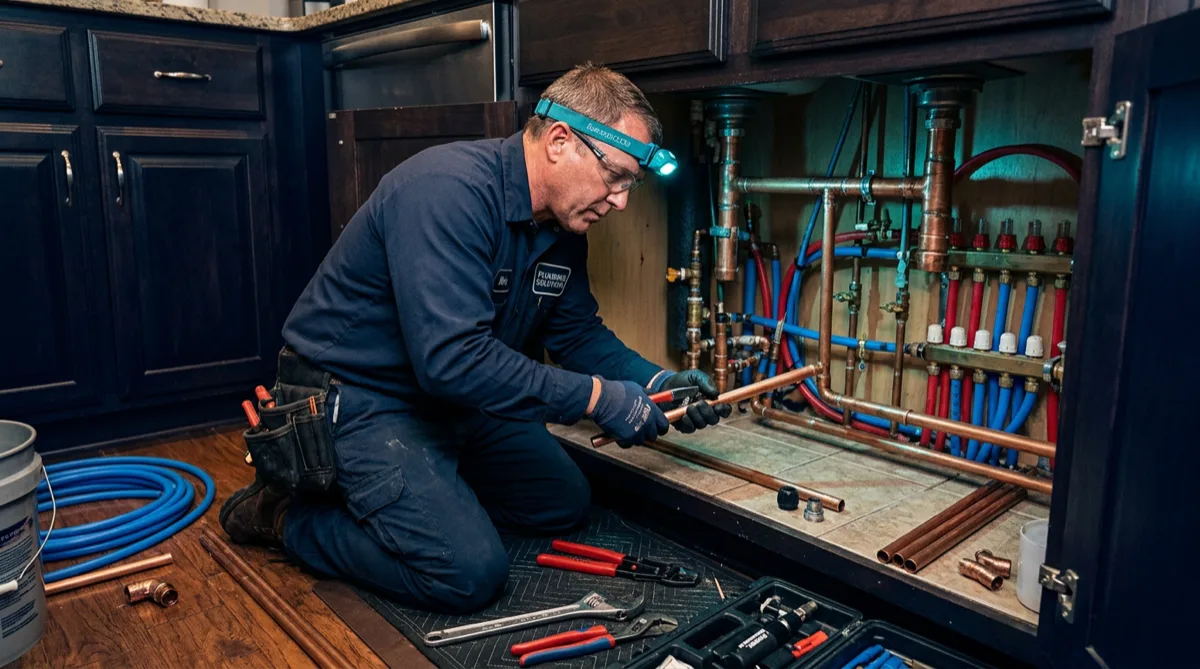
Repiping a house is one of the larger plumbing projects a homeowner faces — but it’s far less disruptive than most people fear, and it solves a genuinely serious problem before it becomes an emergency. If your home has galvanized steel pipes from the 1960s or 1970s, or polybutylene pipes from the 1980s, repiping isn’t a question of if but when.
Here’s what repiping costs in 2026, what affects the price, and when it’s time to make the call.
When You Need to Repipe
Galvanized steel pipes: Homes built before 1975 with original plumbing often have galvanized steel supply lines. Galvanized pipes rust from the inside out. Signs of failing galvanized:
- Low water pressure (pipes corrode to a narrowed interior diameter)
- Rust-colored or discolored water from taps
- Recurring leaks at joints
- Water with metallic taste
- Visible exterior rust or corrosion
Most galvanized systems in homes over 50 years old are approaching or past their service life. Partial repairs extend the problem without solving it.
Polybutylene pipes: Polybutylene (identified by gray or blue flexible pipe, common in homes built 1978–1995) is brittle and fails over time from chemical reactions with chlorine in municipal water. A class action settlement in the 1990s covered many affected homeowners, but millions of polybutylene systems are still in service. If your home has polybutylene, replacement is a matter of when.
CPVC: Older CPVC (chlorinated polyvinyl chloride) piping can become brittle, particularly in Texas’s temperature fluctuations. Not universally problematic, but worth inspection in homes 30+ years old.
Cost to Repipe a House in 2026
Whole-house repiping costs depend primarily on home size and the replacement material used.
PEX (cross-linked polyethylene) is the dominant choice for whole-house repiping today. It’s flexible (reduces fittings and connections, which reduces leak points), freeze-resistant, and significantly faster to install than copper.
| Home Size | PEX Repiping Cost |
|---|---|
| Under 1,000 sq ft | $3,500–$6,000 |
| 1,000–1,500 sq ft | $5,000–$9,000 |
| 1,500–2,500 sq ft | $7,000–$14,000 |
| 2,500–3,500 sq ft | $12,000–$20,000 |
| 3,500+ sq ft | $18,000–$30,000+ |
Copper repiping runs 40–70% higher than PEX for the same home size due to material costs and more complex installation. Copper is more durable long-term and preferred in some local plumbing codes and for certain applications.
| Home Size | Copper Repiping Cost |
|---|---|
| Under 1,000 sq ft | $5,000–$9,000 |
| 1,500–2,500 sq ft | $10,000–$20,000 |
| 2,500–3,500 sq ft | $18,000–$30,000 |
Texas pricing context: Houston, DFW, San Antonio, and Austin typically fall in the mid-to-upper range of these estimates due to labor markets. The competitive plumber market in Texas metros generally keeps pricing from running far above these ranges.
What’s Included in Repiping
A full repiping job includes:
- Removal of all existing supply piping
- Installation of new pipe throughout the home
- All fittings, valves, and connections
- Access holes cut in drywall where needed
- Water shutoff to whole house during active work
- Pressure testing before completion
What’s often not included:
- Drywall repair and painting after pipe access cuts (typically quoted separately — add $500–$2,500 depending on scope)
- Drain line replacement (most repipes are supply lines only; drain replacement is a separate, typically larger project)
- Water heater replacement (many plumbers recommend upgrading the water heater simultaneously)
- Fixture replacements
Request a written scope that clearly specifies what is and isn’t included before signing.
Partial vs Whole-House Repiping
Partial repiping addresses specific problem areas while leaving older pipe in place elsewhere. It costs less upfront but often becomes a money pit — as one section of aging pipe is replaced, adjacent sections continue to fail, and you end up paying for multiple partial jobs that collectively cost more than a single whole-house repipe.
The case for doing it all at once:
- One disruption instead of multiple
- Typically better labor rates (plumber makes fewer separate visits)
- Complete peace of mind with a warranty on the full system
The case for partial repiping:
- Budget constraints
- Specific known failure point in an otherwise well-maintained older system
- Section-by-section upgrade planned over time
If your plumber recommends partial repiping, ask honestly: “If you were the homeowner, would you do the whole house?” Their answer reveals a lot.
Texas Plumbing License Requirements
Repiping requires a licensed plumber in Texas. All plumbers must be licensed through the Texas State Board of Plumbing Examiners (TSBPE). Verify a plumber’s license at tsbpe.texas.gov before signing any contract.
Repiping also requires a plumbing permit in virtually all Texas cities and a final inspection. Never let a plumber talk you out of pulling a permit — it protects you legally and ensures the work is inspected.
Related: Texas Plumbing License Requirements for Contractors
How to Find a Repiping Contractor
Questions to ask:
- Do you specialize in whole-house repiping?
- Will you pull a permit and schedule the inspection?
- Is drywall repair included or separate?
- What warranty do you provide on labor and materials?
- Can you provide references from recent whole-house repipes in my area?
Find licensed plumbers on House Escort — connect with vetted local pros who keep 100% of their earnings.
Also helpful: How to Hire a Reliable Plumber and Home Renovation Project Management Tips.
Frequently Asked Questions
How much does it cost to repipe a house in 2026?
Whole-house PEX repiping costs $3,500–$9,000 for homes under 1,500 square feet and $7,000–$20,000 for larger homes (1,500–3,500 sq ft). Copper repiping runs 40–70% higher. Texas homeowners in major metros typically pay in the mid-range due to competitive labor markets. Drywall repair after pipe access cuts is often quoted separately.
How long does it take to repipe a house?
Most whole-house repipes for average-sized homes take 2–4 days for the plumbing work itself. Add time for drywall repair and painting if needed. You’ll be without water during active work periods, but most plumbers restore water at the end of each day rather than leaving you without water overnight.
Is PEX or copper better for repiping?
PEX is the most common choice for modern whole-house repiping — flexible, freeze-resistant, less expensive, and faster to install (fewer joints and fittings). Copper is more durable long-term, has a longer proven track record, and is required in some applications. For most Texas homeowners repiping a residential property, PEX is the recommended choice.
Do I need a permit to repipe my house in Texas?
Yes. Whole-house repiping requires a plumbing permit in virtually all Texas municipalities, followed by a city inspection. Permits protect you legally — if unpermitted work is discovered during a home sale, it can create serious complications. A licensed plumber should pull the permit as part of the job scope.
When should I repipe instead of doing partial repairs?
If your home has galvanized steel pipes over 50 years old or any amount of polybutylene pipe, a whole-house repipe is almost always the right call. Partial repairs on a failing system extend the problem without solving it and often cost more in total than doing it all at once. Get a professional assessment and ask your plumber for their honest recommendation.