Contractor Insurance in Texas: What You Need
House Escort Team
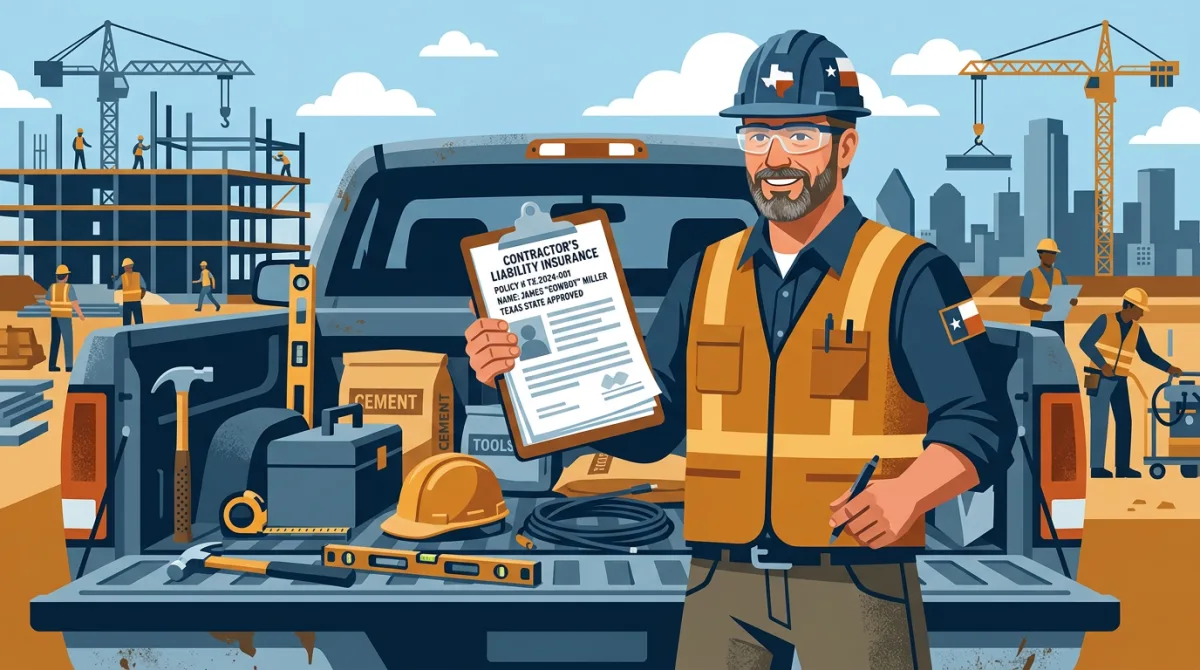
Insurance is the foundation of a professional home service business in Texas. Without the right coverage, a single job site injury or property damage claim can end your business — or cost you personally. More practically: without proof of insurance, you won’t get hired by serious homeowners or land commercial accounts.
What Insurance Do Texas Contractors Need?
General Liability Insurance (Required for All Trades)
General liability (GL) covers property damage and third-party bodily injury that occurs during your work. If you accidentally break a $3,000 window, flood a bathroom, or a client trips over your tools and breaks their arm, your GL policy pays — up to your limit.
Minimum coverage: $1 million per occurrence / $2 million aggregate Typical cost: $400–$2,000/year for solo operators, depending on trade
Higher-risk trades (roofing, HVAC, electrical) pay more. A roofer’s GL costs significantly more than a landscaper’s because fall-related claims are expensive.
Certificate of Insurance (COI): Homeowners and commercial clients will ask for one. Your insurer can generate a COI in minutes — you should be able to email one same-day when requested. Not having a COI ready is an immediate red flag to professional buyers.
Workers’ Compensation Insurance
In Texas, workers’ comp is unique: unlike most states, it’s not legally required for most private employers. However:
- If you have employees (W-2), skipping workers’ comp exposes you to lawsuit directly if a worker is injured on the job — you lose the “exclusive remedy” defense
- Many commercial clients and general contractors require workers’ comp as a contract condition
- Texas’s non-subscriber system has strict liability rules — workers can sue and you face no liability caps
If you have employees, carry workers’ comp. If you’re a solo operator using only 1099 subcontractors, you may be able to skip it — but verify subcontractors carry their own coverage. See our guide on employee vs subcontractor rules for home services for classification nuances.
Cost: Workers’ comp in Texas is priced per $100 of payroll, with rates varying by trade classification. Roofing workers’ comp runs $15–$25 per $100 payroll; cleaning services run $1–$3.
Commercial Auto Insurance
If you drive a truck, van, or trailer for work, your personal auto policy likely does not cover work-related accidents. Commercial auto covers:
- Vehicle damage during work use
- Liability if you cause an accident while driving to or from a job
- Tools and equipment in the vehicle (as an endorsement)
Cost: $1,200–$3,000/year for a single commercial vehicle depending on trade, vehicle value, and driving record.
Tools and Equipment Coverage
Your tools live in your truck, on job sites, and in your trailer. Standard GL doesn’t cover your own tools if they’re stolen or damaged. Tools and equipment coverage (sometimes called “inland marine”) fills this gap.
Cost: $200–$600/year for $20,000–$50,000 of coverage
Some insurers include tools coverage as a rider on a Business Owner’s Policy (BOP).
Professional Liability (Errors & Omissions)
General contractors, architects, engineers, and inspectors may need E&O coverage if their professional recommendations or designs cause financial loss. Most trade contractors (plumbers, electricians, HVAC) don’t need E&O — GL covers their physical work.
How Much Does Contractor Insurance Cost in Texas?
A solo trade contractor in Texas can expect:
- GL: $400–$1,500/year
- Commercial auto: $1,200–$3,000/year
- Tools coverage: $200–$600/year
- Total: $1,800–$5,000/year for a well-covered solo operation
For a small crew (2–5 workers), add workers’ comp — budget $3,000–$15,000/year depending on payroll and trade.
Compare at least 3 insurers. Rates vary significantly. Start with carriers that specialize in contractor coverage: Hiscox, The Hartford, Nationwide, and Employers are competitive in Texas.
Insurance as a Business Development Tool
The right coverage doesn’t just protect you — it actively helps you win jobs.
Professional homeowners check:
- Proof of GL before signing any contract
- Workers’ comp certificate for large jobs
- Bond documentation (separate from insurance — see our guide to getting bonded as a contractor)
When a homeowner asks “are you insured?” and you can email them a COI in 5 minutes, you immediately stand above 80% of your competition. Most homeowners who’ve been burned by uninsured contractors specifically look for this.
House Escort pro profiles allow you to list your insurance and bonding credentials — this is a direct trust signal to homeowners browsing your profile.
Join House Escort — Keep 100% of Your Earnings
House Escort connects insured, professional contractors with homeowners who care about quality. No commissions, no lead fees — just a low monthly flat fee.
Try House Escort free for 1 month → houseescort.com/provider
Frequently Asked Questions
Is contractor insurance required by law in Texas?
Texas doesn’t require general liability insurance by law for most contractor trades (unlike some states). However, electrical, HVAC, and plumbing work requires licensing through TDLR, and licensed trades typically must maintain GL to hold a license. Beyond legal requirements, homeowners, property managers, and general contractors routinely require proof of insurance before awarding work.
What’s the difference between bonding and insurance for contractors?
Insurance (GL) covers accidental damage and injury that occurs during work. A surety bond covers intentional wrongdoing — theft, fraud, or failing to complete a project as promised. Both are asked for by professional clients. Insurance is generally the larger cost; bonding for most small contractors runs $200–$500/year.
Can I use personal auto insurance for my contractor truck?
No. Standard personal auto policies exclude business use. If you’re driving to or from job sites, transporting tools, or hauling materials, you need commercial auto coverage. An accident during business use with only a personal policy could result in a denied claim and personal liability.
How do I get a Certificate of Insurance to give to a homeowner?
Contact your insurance agent or log into your insurer’s portal. Most insurers can generate a COI within minutes. The COI lists your policy type, coverage limits, policy dates, and can name a specific client as “additional insured” for larger jobs. Keep a generic COI saved and email it whenever asked.
Should solo contractors in Texas buy a Business Owner’s Policy (BOP)?
Yes — for most solo or small-team contractors, a BOP bundles GL + commercial property + business interruption into one cost-effective package. It’s often cheaper than buying each policy separately. A BOP won’t include workers’ comp or commercial auto, so you’ll still need those separately.