Breaking Into Commercial Concrete Work in Texas
House Escort Team
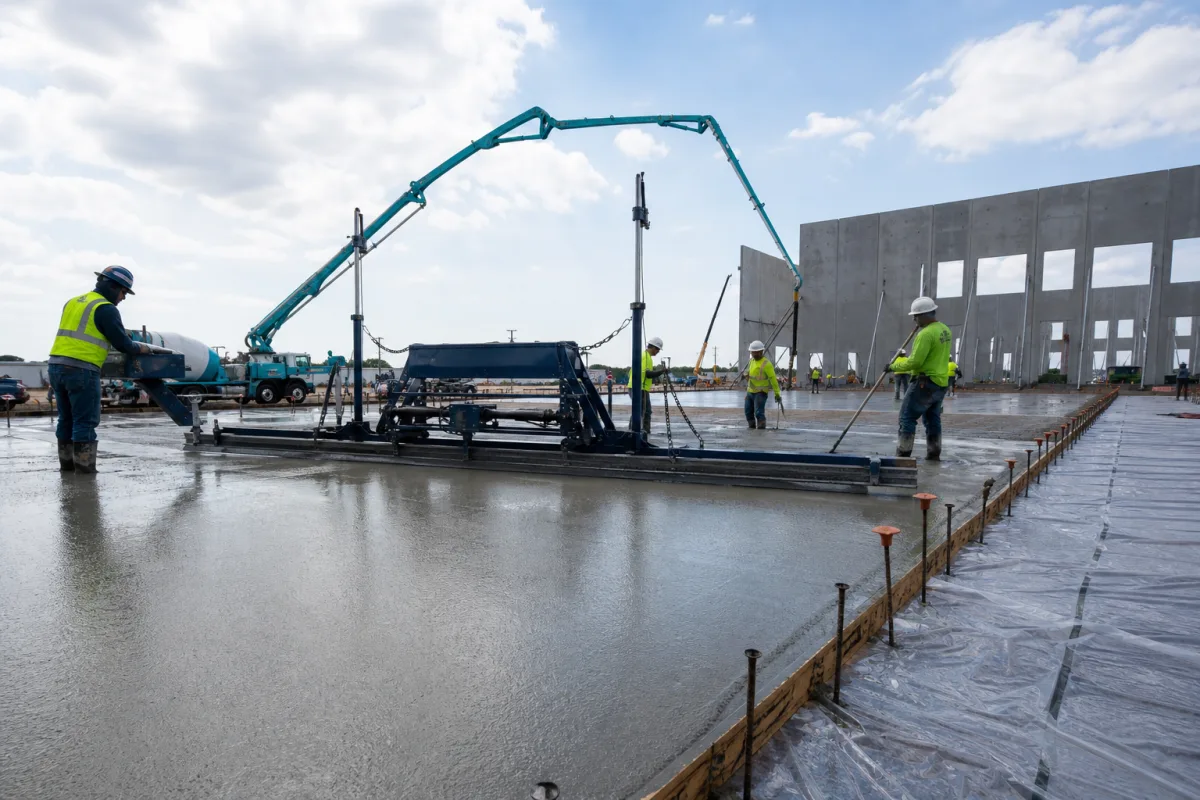
Texas’s construction boom creates opportunities for concrete contractors ready to scale from residential work to commercial projects. DFW’s industrial expansion, Austin’s tech corridor development, and Houston’s ongoing infrastructure investments generate demand for experienced concrete professionals. Transitioning successfully requires new skills, equipment, relationships, and compliance capabilities.
Commercial concrete work differs fundamentally from residential foundations and flatwork. Larger pours, tighter tolerances, complex forming systems, and stringent documentation requirements challenge contractors accustomed to smaller residential jobs. Those who adapt gain access to higher-volume, higher-margin opportunities.
Transitioning from Residential to Commercial Projects
Residential concrete work emphasizes speed and cost efficiency for home foundations, driveways, and patios. Commercial projects demand precision, documentation, and coordination with multiple trades on complex sites. The shift requires mindset changes as much as technical skill development.
Start with smaller commercial projects to build experience. Parking lot construction, small retail foundations, and tilt-wall site work offer entry points. These projects introduce commercial specifications, inspection processes, and documentation requirements without the scale of major industrial or institutional work.
Networking with general contractors actively bidding commercial work opens doors. Many GCs prefer working with concrete subs who demonstrate residential-to-commercial transition experience. Highlight your adaptability, quality residential work, and willingness to meet commercial standards during initial conversations.
Bonding Requirements for Commercial Jobs
Performance and payment bonds become essential for commercial work, particularly public projects. Bonds guarantee project completion and subcontractor payment. Surety companies evaluate contractor financial strength, experience, and capacity before issuing bonds. Requirements often range from fifty thousand to one million dollars or more depending on project size.
Bonding capacity depends on your company’s financial statements, working capital, and track record. Surety underwriters review balance sheets, income statements, and project histories. Strong financial management and profitable operations build bonding capacity over time.
Start bonding relationships early. Even if not immediately required, establishing surety relationships positions you for larger opportunities. Work with insurance agents specializing in construction surety to understand requirements and prepare your business for bonding.
Prevailing Wage and Certified Payroll Compliance
Public projects and some private developments subject to prevailing wage requirements pay workers according to government-determined wage rates. Texas prevailing wage laws apply to state and local government construction projects. Compliance requires certified payroll submissions documenting wages, benefits, and worker classifications.
Certified payroll preparation demands meticulous record-keeping. Contractors must track hours, wage rates, fringe benefits, and deductions for each worker on covered projects. Software solutions simplify compliance but require accurate input and regular submission to awarding agencies.
Non-compliance risks contract termination, back wage liability, and debarment from future public work. Many contractors hire payroll services familiar with Texas prevailing wage requirements. The investment protects against costly errors and demonstrates professionalism to general contractors.
Equipment Investments for Commercial Scale
Commercial concrete work requires equipment beyond typical residential tools. Laser screeds enable precise flatwork over large areas. Ride-on power trowels achieve superior finishes on industrial floors. Larger excavators, skid steers, and concrete pumps handle increased material volumes efficiently.
Equipment financing and ownership decisions affect cash flow and bonding capacity. Some contractors prefer leasing to preserve capital, while others purchase to build equity and reduce long-term costs. Consider utilization rates, maintenance capabilities, and storage requirements when evaluating equipment investments.
Specialized forming systems for tilt-wall, columns, and elevated slabs represent significant investments. Many contractors begin by renting forming systems for initial commercial projects, then purchase as volume justifies ownership. Supplier relationships provide access to equipment and technical support during the transition.
Building General Contractor Relationships
GC relationships drive commercial concrete opportunities. Successful subs understand GC priorities: reliability, quality, schedule adherence, and clear communication. Delivering on these expectations builds repeat business and referrals to other general contractors.
Attend industry events, join contractor associations, and participate in pre-bid meetings to meet GCs. Present your capabilities clearly, including equipment, crew capacity, and commercial experience. Provide references from residential or smaller commercial projects that demonstrate quality and reliability.
Start with bid invitations on projects matching your capacity. Overextending on first commercial jobs risks quality and relationships. Successful completion of appropriately sized projects builds confidence and opens doors to larger work. The roofing contractor Texas slack season guide offers parallel insights on managing seasonal demand that apply to concrete contractors as well.
Texas Commercial Construction Boom Markets
DFW’s industrial sector continues expanding with logistics, manufacturing, and data center development. These projects require extensive flatwork, foundations, and site concrete. Contractors who establish presence in this market benefit from sustained demand and professional GC relationships.
Austin’s tech corridor development generates commercial construction across office, research, and manufacturing facilities. The market values quality and schedule performance, rewarding contractors who meet stringent specifications. Proximity to suppliers and labor pools provides competitive advantages.
Houston’s diverse economy supports ongoing commercial and industrial construction. Energy sector facilities, port infrastructure, and medical complexes create varied concrete opportunities. Understanding local market dynamics and building relationships with area GCs positions contractors for long-term success.
Insurance and Risk Management for Commercial Work
Commercial concrete work introduces new liability exposures. Larger crews, heavier equipment, and complex sites increase accident potential. The home services business insurance Texas guide details coverage types essential for contractors scaling operations.
General liability, workers compensation, and commercial auto coverage require review as project scale increases. Some GCs mandate higher limits or additional coverages like pollution liability for concrete work. Review insurance requirements in bid documents and ensure coverage adequacy before submitting proposals.
Safety programs become critical for commercial work. OSHA compliance, documented training, and incident investigation procedures protect workers and demonstrate professionalism to GCs. Many contractors invest in safety management systems that support both insurance and bidding requirements.
Frequently Asked Questions
How long does it take to build bonding capacity for commercial work?
Bonding capacity develops over time through consistent profitability, strong financial statements, and successful project completion. New contractors may start with small bond limits and grow capacity as their track record demonstrates reliability. Working with experienced surety agents accelerates the process.
Do I need different licenses for commercial concrete work in Texas?
Texas does not require a specific state license for concrete contracting, but local jurisdictions may have requirements. Commercial work often involves electrical, plumbing, or other trades that require licensed professionals. Verify local licensing before bidding commercial projects.
What size projects should I target when first entering commercial work?
Begin with projects matching your current crew and equipment capacity. A successful ten-thousand-square-foot parking lot builds more valuable experience than struggling with a project beyond your resources. Scale up gradually as systems and relationships develop.
How do I handle the documentation requirements for commercial projects?
Invest in project management software designed for commercial construction. These platforms track submittals, RFIs, daily reports, and payroll compliance. Many GCs use specific platforms; learning their systems improves coordination and demonstrates professionalism.
Can House Escort help me connect with commercial general contractors?
House Escort focuses on homeowner connections, but the professional networking and reputation building that drives platform success also supports commercial relationship development. Establishing your business through quality residential work creates the foundation for commercial expansion.