Chimney Repair Cost Texas: 2026 Price Guide
House Escort Team
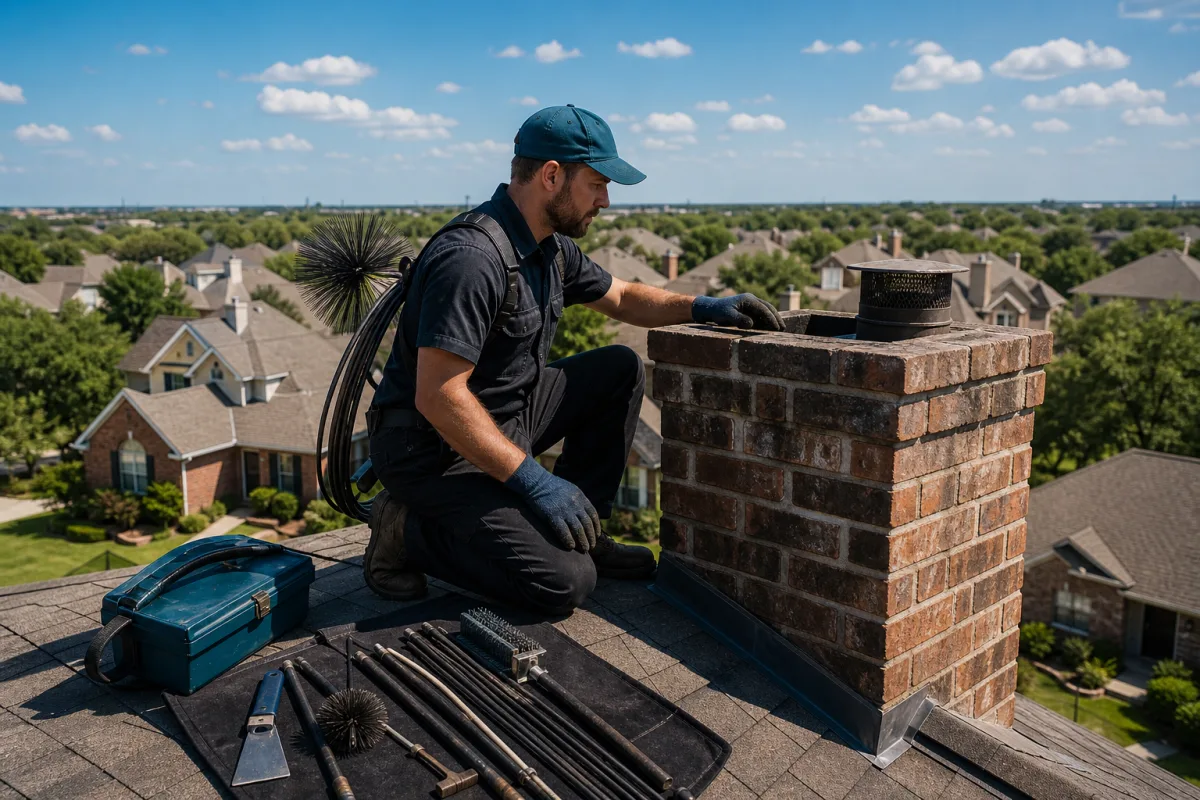
Chimney repair cost in Texas runs from $150 for minor repairs to $5,000+ for significant structural work. Understanding what type of repair you need — and what it should cost — protects you from overpaying and ensures you hire someone with the right qualifications.
Average Chimney Repair Costs by Issue
Chimney Crown Repair
The chimney crown is the concrete cap at the top that sheds water away from the flue liner. Texas’s freeze-thaw cycles and summer heat cause cracking over time.
- Minor crown crack repair (sealant): $150-$300
- Crown overlay (new concrete over damaged crown): $300-$600
- Full crown replacement: $600-$1,200
Crown damage is one of the most common chimney issues — a cracked crown lets water infiltrate, leading to much more expensive interior damage. Addressing crown cracks early saves thousands.
Chimney Flashing Repair
Flashing is the metal seal between the chimney and roof. Failed flashing is a leading cause of roof leaks in Texas.
- Flashing reseal/caulk: $150-$350
- Partial flashing replacement: $400-$800
- Full flashing system replacement: $600-$1,500
If you have water stains on ceilings near your fireplace after rain, flashing is the first suspect. See the roof repair cost Texas guide for how chimney flashing failures relate to broader roofing issues.
Tuckpointing (Mortar Joint Repointing)
The mortar between chimney bricks deteriorates faster than the bricks themselves. Repointing restores the weathertight seal.
- Spot tuckpointing (< 10 sq ft): $200-$500
- Partial chimney repointing: $500-$1,500
- Full chimney repointing: $1,000-$3,500
Texas masonry chimneys in damp Gulf Coast climates (Houston, Corpus Christi, Beaumont) experience faster mortar deterioration than dry West Texas structures. Inspect mortar joints every 5-7 years.
Chimney Liner Repair or Replacement
The flue liner protects the chimney’s masonry from heat and combustion gases. Cracked or deteriorated liners are a fire and CO hazard.
- Stainless steel liner insert: $1,500-$3,500 (includes installation)
- HeatShield spray-on liner repair: $800-$2,500 (for minor cracks in clay tile liners)
- Full clay tile liner replacement: $3,000-$7,000+
If your home’s fireplace was unused for years and you want to start using it again, a liner inspection is essential. The National Fire Protection Association’s NFPA 211 standard requires annual inspection for actively used fireplaces.
Firebox Repair (Interior Masonry)
The firebox is where the fire burns — the interior chamber. Cracks in firebox masonry are common after years of thermal cycling.
- Minor firebox crack repair (refractory cement): $150-$400
- Partial firebox rebuild: $1,000-$2,500
- Full firebox rebuild: $2,500-$5,000+
Chimney Cap Replacement
The chimney cap covers the flue opening at the top, keeping rain, debris, and animals out.
- Standard single-flue cap: $100-$250 installed
- Custom multi-flue top mount cap: $200-$500 installed
- Chase cover (prefab fireplace chimneys): $200-$600
Rusted or missing caps are common in Texas’s humid coastal areas. A new cap is a low-cost, high-impact repair.
Annual Inspection Cost
A Level I chimney inspection (visual inspection of accessible areas) by a Chimney Safety Institute of America (CSIA) Certified Chimney Sweep costs $100-$250. This inspection is recommended annually for any chimney in regular use and before using a fireplace that’s been inactive.
A Level II inspection (includes video scanning of the flue) costs $250-$500 and is required when:
- Real estate transaction occurs
- Appliance change or modification
- Chimney has experienced an event (chimney fire, earthquake, etc.)
When to Repair vs. Replace
In most cases, repair is the right call — full chimney rebuilds are expensive ($5,000-$25,000+). However, replacement makes sense when:
- Structural damage compromises the chimney’s stability (leaning, significant settling)
- More than 50% of the masonry requires replacement
- The liner is completely failed and the structure won’t support a liner insert
- A prefab metal fireplace chimney is at end of service life
Get an honest assessment from a CSIA-certified sweep before any contractor recommends full replacement. Second opinions are worth it on jobs above $2,000.
Finding a Qualified Chimney Professional in Texas
Look for CSIA Certification: The Chimney Safety Institute of America certifies chimney sweeps who have passed a standardized exam. The CSIA website (csia.org) has a certified sweep finder. CSIA certification is the primary quality indicator in the industry.
National Chimney Sweep Guild (NCSG): Secondary professional association. NCSG members follow a code of ethics and professional standards.
Avoid lowball inspection offers: “$49 chimney inspection” advertisements often lead to high-pressure upselling of unnecessary repairs. A legitimate Level I inspection costs $100-$250.
Insurance: Any chimney contractor working on your roof or doing structural repair should carry general liability insurance and workers’ comp for their employees. Get the certificate before work begins.
Find verified, insured chimney professionals in Texas through House Escort — browse local contractors, compare quotes, and book with confidence.
Texas-Specific Chimney Considerations
Humidity and Mold
Gulf Coast Texas humidity accelerates mortar deterioration and creates interior condensation in infrequently used chimneys. Houston and Corpus Christi homeowners should inspect chimneys more frequently (every 3-5 years) even without heavy fireplace use.
Pest and Animal Entry
Open or damaged chimney caps invite squirrels, raccoons, and birds (particularly chimney swifts — federally protected during nesting season). If you hear scratching or see animal activity, address the cap before using the fireplace.
Infrequent Use
Many Texas fireplaces see limited use given the mild winters. But infrequent use doesn’t eliminate inspection needs — idle fireplaces develop moisture issues, animal nesting, and liner deterioration. Inspect before first seasonal use each fall.
Insurance Claims
Storm damage to chimneys (lightning strikes, hail impact, wind-driven debris) is typically covered under homeowners insurance in Texas. Document damage with photos before repair and contact your insurer before beginning work.
Frequently Asked Questions
How do I know if my chimney needs repair?
Signs that warrant a professional inspection: visible mortar deterioration between bricks, white staining (efflorescence) on exterior brickwork, water stains on interior walls or ceilings near the fireplace, damaged or missing chimney cap, a smoky fireplace interior, or visible cracks in the crown. When in doubt, schedule a Level I inspection ($100-$250) — it’s cheap relative to the cost of unaddressed damage.
Does Texas require chimney inspections?
No state regulation mandates chimney inspection. However, most homeowners insurance policies require your fireplace be in safe working condition. If a chimney fire occurs in a fireplace you haven’t maintained, your insurer may have grounds to dispute the claim. Annual inspections document safe maintenance and protect your coverage.
Can I use my fireplace if the liner is cracked?
No. A cracked clay tile liner allows combustion gases — including carbon monoxide — and heat to reach the surrounding masonry and wood framing. This is a fire and CO hazard. Have the liner repaired or replaced before using the fireplace again.
How long does chimney repair take?
Most repairs (crown, cap, flashing, spot tuckpointing) are completed in 1-3 hours. Larger jobs like full tuckpointing or liner installation take 1-2 days. Full chimney rebuilds are multi-day projects. Schedule repairs in dry weather — mortar work requires temperatures above 40°F and no rain for 24-48 hours after application.
Do I need a permit for chimney repair in Texas?
Minor repairs (crown sealant, cap replacement, tuckpointing) generally don’t require permits. Structural repairs or full liner replacement may require a permit in some Texas jurisdictions. Your contractor should know the requirements for your city — Houston, Dallas, Austin, and San Antonio all have their own building permit processes.
Find a Chimney Pro Near You
Get quotes from CSIA-certified chimney professionals in your area on House Escort — verified, insured, and zero commission. Find the right pro for your repair job and book with confidence.