Building Repeat Clients as a Home Service Pro
House Escort Team
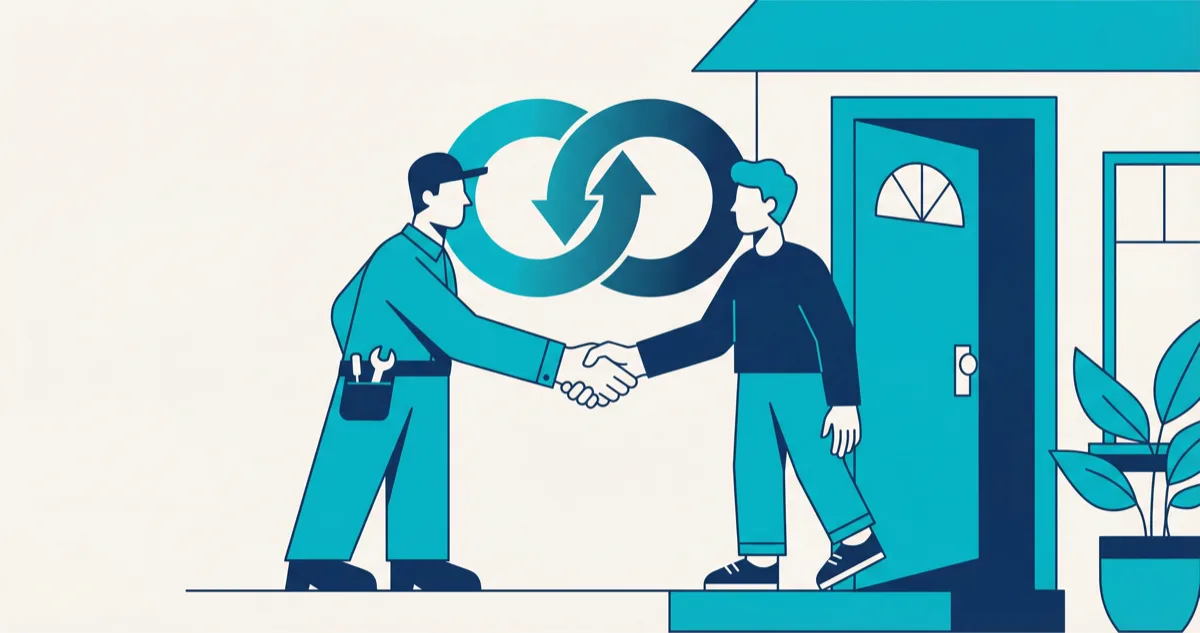
Building Repeat Clients as a Home Service Pro
Acquiring a new customer costs 5–7 times more than keeping an existing one. Yet most home service pros spend all their energy chasing new leads and almost none building repeat clients. If you want to build a sustainable, profitable home service business, client retention isn’t optional — it’s the foundation.
Think about it: a homeowner who trusts you for one plumbing repair is a homeowner who’ll call you for every plumbing issue, recommend you to neighbors, and hire you for that bathroom remodel they’ve been planning. Building repeat clients as a home service pro means turning every completed job into the beginning of a long-term relationship.
Why Repeat Clients Are Your Most Valuable Asset
The numbers make a compelling case:
- Repeat customers spend 67% more than new customers on average
- Referral rate from repeat clients is 3–4x higher than one-time customers
- Close rate on repeat business is 60–70% vs. 5–20% for new leads
- Marketing cost for repeat clients: essentially $0
When you build a base of 200–300 loyal clients, you have a business that can sustain itself without spending a dime on lead generation. That’s the goal.
The Follow-Up System That Keeps You Top of Mind
Most pros finish a job and never contact the customer again unless they call first. That’s leaving money on the table. A simple follow-up system keeps you in their mind when the next project comes up.
The 3-touch follow-up:
Touch 1: Same day or next day Send a text or email thanking them for their business:
“Hi [Name], thanks for choosing [Your Company] for your [service]. I hope everything looks great! If you notice anything at all, don’t hesitate to reach out. I’m always here to help.”
Touch 2: 30 days later Check in on the work:
“Hi [Name], just wanted to follow up on the [service] we did last month. Everything still working well? Let me know if you have any questions.”
Touch 3: 6 months later Seasonal or maintenance reminder:
“Hi [Name], it’s been about 6 months since we [service]. Just a friendly reminder that [related maintenance tip]. If you need anything, I’m a call away.”
Why this works:
- It shows you care beyond the invoice
- It catches any issues before they become complaints
- It puts you back in their mind right when they might be thinking about the next project
- It differentiates you from every other pro who disappears after the job
Maintenance Contracts: Predictable Revenue, Loyal Clients
Maintenance contracts are the holy grail of repeat business. They create recurring revenue for you and ongoing value for the homeowner.
Trades that benefit most from maintenance contracts:
| Trade | Maintenance Offering | Typical Frequency |
|---|---|---|
| HVAC | Seasonal tune-ups, filter changes | 2x/year |
| Plumbing | Water heater flush, drain cleaning | 1–2x/year |
| Electrical | Panel inspection, surge protector check | 1x/year |
| Landscaping | Regular mowing, seasonal cleanup | Weekly–monthly |
| Pest control | Preventive treatment | Quarterly |
| Cleaning | Regular house cleaning | Weekly–biweekly |
| Painting | Touch-up and inspection | Every 2–3 years |
How to structure a maintenance plan:
- Offer it at the end of every job. “Would you like me to come back in 6 months for a tune-up? I offer a maintenance plan that includes [details] for $X/year.”
- Price it attractively. The maintenance plan should be priced below what they’d pay for individual service calls. You’re trading a discount for guaranteed recurring revenue.
- Include priority scheduling. Maintenance plan customers get first-in-line scheduling. This has high perceived value and costs you nothing.
- Add a small discount on additional work. 10% off any repairs beyond the maintenance scope.
The math:
If you have 100 maintenance plan customers at $200/year, that’s $20,000 in predictable annual revenue before you sell a single repair. And when those maintenance visits reveal additional work (they often do), your close rate is sky-high because the customer already trusts you.
Seasonal Reminders That Drive Callbacks
Every trade has seasonal touchpoints. Use them to stay connected with past clients.
Spring:
- HVAC: “Time for your AC tune-up before summer hits”
- Plumbing: “Let’s check your outdoor faucets and sprinkler system”
- Roofing: “Spring inspection to catch any winter damage”
- Landscaping: “Spring cleanup and mulching time”
Summer:
- Electrical: “AC working overtime? Let’s check your electrical panel”
- Pest control: “Peak pest season — time for preventive treatment”
- Painting: “Best weather for exterior painting”
Fall:
- HVAC: “Furnace tune-up before the cold arrives”
- Gutter cleaning: “Leaves are falling — time for gutter cleaning”
- Plumbing: “Winterize your outdoor faucets and pipes”
Winter:
- Insulation: “Is your home losing heat? Let’s check insulation”
- Plumbing: “Prevent frozen pipes with a quick inspection”
- Electrical: “Holiday lighting installation”
How to send reminders:
- Text messages (highest open rate)
- Email (good for detailed tips)
- Postcards (stand out in a mailbox full of bills)
Keep a simple spreadsheet or CRM with customer info, service dates, and reminder schedule. Even a basic Google Sheet works.
Personal Touches That Build Loyalty
In a world of automated everything, personal touches stand out.
Small gestures with big impact:
- Handwritten thank-you notes. After a big job, send a handwritten card. It takes 2 minutes and homeowners remember it for years.
- Anniversary reminders. “It’s been one year since your kitchen remodel — how’s everything holding up?” This is memorable and opens the door for additional work.
- Holiday greetings. A simple holiday card (physical or digital) to your top customers keeps you on their radar.
- Birthday or move-in anniversary. If you know when they moved in, a quick note on the anniversary is a thoughtful touch.
- Small gifts for big projects. After a major remodel or installation, leave a small gift — a plant, a gift card to a local restaurant, or a branded item they’ll actually use.
What NOT to do:
- Don’t spam them with constant texts or emails
- Don’t make every touchpoint a sales pitch
- Don’t send generic, impersonal mass messages
- Don’t forget their name or the work you did (reference specifics)
Creating a VIP Client Experience
Your top clients — the ones who hire you multiple times and refer friends — deserve a VIP experience.
VIP perks to consider:
- Priority scheduling: They call, they get the next available slot
- Emergency availability: After-hours phone number for true emergencies
- Annual review: Once a year, do a free walkthrough of their home to identify any upcoming needs
- Referral rewards: Meaningful thank-you for every referral (gift card, discount, or reciprocal favor)
- First access to new services: When you add a new service, offer it to loyal clients first
You don’t need a formal “VIP program.” Just treat your best clients noticeably better, and they’ll reward you with loyalty and referrals.
Using Technology to Stay Organized
You don’t need expensive CRM software to manage client relationships. But you do need something.
Free/cheap options:
- Google Contacts + Google Calendar: Tag clients by service type, set recurring reminders for follow-ups
- Google Sheets: Track client history, service dates, and next touchpoints
- Jobber or Housecall Pro: Purpose-built for home service pros ($30–$60/month), with scheduling, invoicing, and follow-up automation
- House Escort profile: Your profile maintains your review history and client connections, making it easy for past clients to rebook
What to track for each client:
- Name and contact info
- Address
- Services performed and dates
- Notes on their home (age of HVAC, plumbing issues, etc.)
- Follow-up schedule
- Referral source (so you know where they came from)
Asking for Reviews and Referrals from Repeat Clients
Repeat clients are your best source of 5-star reviews and referrals. They trust you, they’ve experienced your work multiple times, and they’re genuinely happy to recommend you.
When to ask:
- After completing a maintenance visit (they’re reminded why they hired you)
- When they compliment your work or express satisfaction
- After you’ve gone above and beyond on a repair
- During your 30-day follow-up touchpoint
How to ask for referrals:
“I really appreciate your loyalty over the years. If you know anyone — friends, family, neighbors — who could use a reliable [trade], I’d love to be their first call. Word of mouth is the best way I grow my business.”
Repeat clients who refer you generate the highest-quality leads — pre-qualified, pre-trusted, and ready to hire.
Frequently Asked Questions
How many repeat clients do I need for a sustainable business?
It depends on your trade and average job value, but a base of 150–300 active repeat clients can sustain most home service businesses without any paid advertising. An HVAC company with 200 maintenance plan customers, for example, has a solid foundation of recurring revenue plus upsell opportunities throughout the year.
How often should I contact past clients?
For active maintenance plan customers, you’ll naturally be in touch 2–4 times per year through service visits. For other past clients, aim for 2–3 touchpoints per year — seasonal reminders, check-ins, or holiday greetings. Any more and you risk being annoying; any less and they forget you.
What if a past client hires someone else?
Don’t take it personally. Sometimes it’s about timing, price, or convenience. Stay in touch professionally — they may come back for the next job. A gracious attitude about competition actually builds long-term loyalty. Never badmouth the other contractor.
How do I transition from chasing new leads to building repeat business?
Start today with your current customers. Implement the 3-touch follow-up system for every completed job. Offer maintenance plans. Send seasonal reminders. Within 12 months, you’ll notice a shift — more incoming calls from past clients, more referrals, and less dependence on paid leads.
Should I offer discounts to repeat clients?
Small, meaningful discounts (10–15%) for repeat clients make sense — especially on maintenance plans. But don’t discount so heavily that it devalues your work. Repeat clients often value reliability and trust more than price. Priority scheduling and personal attention can be more valuable perks than discounts.
The Long Game Wins
Building repeat clients isn’t a quick fix. It’s a strategy that compounds over time. Every satisfied customer you retain is a customer you don’t have to acquire again. Every follow-up you send is an investment in future revenue. Every personal touch builds the kind of loyalty that no advertising can buy.
Start today: set up your follow-up system, offer your first maintenance plan, and send a check-in text to three past customers. Your future self will thank you.
Ready to build a thriving service business? Join House Escort — where your reputation and client relationships are yours to keep. Zero commissions, zero lead fees.