Best Home Improvement Projects for Texas in 2026
House Escort Team
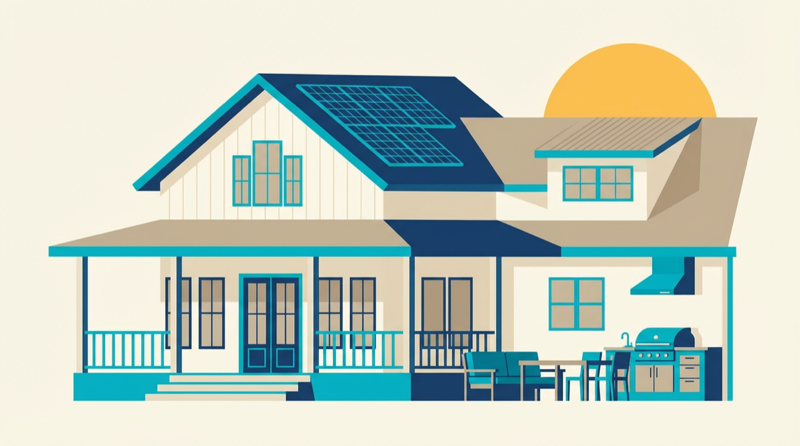
Texas homes face a unique combination of challenges: extreme summer heat, high humidity along the Gulf Coast, severe storm seasons, and expansive clay soils that shift with moisture levels. The home improvement projects that deliver the most value here are not necessarily the same ones that top national lists. What makes sense in New England or the Pacific Northwest may be irrelevant — or even counterproductive — in Houston, Austin, Dallas, or San Antonio.
This guide focuses on projects that are specifically suited to Texas conditions, ranked by their combination of return on investment, comfort improvement, and property protection.
1. Upgrade to a High-Efficiency HVAC System
In a state where cooling season can run seven months or longer, your HVAC system is responsible for the largest share of your energy bill. If your system is more than 10 years old, today’s high-efficiency units can cut cooling costs by 30% to 50%.
What to prioritize:
- SEER2 rating of 16 or higher. The federal minimum is 15 SEER2 for Texas (South region), but higher ratings pay for themselves through energy savings.
- Variable-speed compressors. These adjust output to match the cooling load rather than cycling on and off, maintaining more consistent temperatures and better humidity control.
- Smart thermostat integration. Programmable and Wi-Fi-enabled thermostats let you optimize schedules and monitor energy usage remotely.
Estimated cost: $5,000 to $12,000 for a full system replacement, depending on system size and efficiency rating.
ROI: Energy savings of $500 to $1,500 per year. Also a strong selling point if you list your home.
Where it matters most: Houston and San Antonio homeowners benefit the most due to longer, more humid cooling seasons. Austin and Dallas see slightly shorter but equally intense heat periods.
2. Attic Insulation and Radiant Barrier Installation
Texas attics can reach 150 degrees or more during summer. That heat radiates down through the ceiling into your living spaces, forcing your HVAC system to work overtime.
What to consider:
- Blown-in insulation to R-38 or higher (the Department of Energy recommendation for Texas climate zones).
- Radiant barrier foil on the underside of the roof deck, which reflects heat before it reaches the insulation. Studies show radiant barriers can reduce cooling costs by 5% to 10%.
- Attic air sealing around penetrations (recessed lights, plumbing stacks, electrical wires) before adding insulation. Sealing gaps first prevents conditioned air from escaping.
Estimated cost: $1,500 to $4,000 for insulation, $500 to $1,500 for radiant barrier.
ROI: Energy savings plus improved comfort. Pays for itself in two to five years.
3. Impact-Resistant Roofing
Texas leads the nation in severe hail events, and wind damage from hurricanes and tropical storms is a regular concern along the Gulf Coast. Standard three-tab shingles are the first casualty.
What to consider:
- Class 4 impact-resistant shingles are designed to withstand hailstones up to two inches in diameter. Many Texas insurance companies offer 10% to 35% premium discounts for Class 4 roofs.
- Metal roofing is another strong option, with 40- to 70-year lifespans versus 15 to 25 years for standard asphalt.
- Proper underlayment and flashing. The roofing material is only as good as the installation beneath it.
Estimated cost: $10,000 to $20,000 for impact-resistant shingles. $15,000 to $35,000 for metal.
ROI: Insurance premium savings of $500 to $2,000 per year, plus dramatically reduced risk of storm damage claims.
Where it matters most: Houston and San Antonio are in the highest hail and hurricane risk zones. Dallas and Austin see significant hail activity as well.
4. Outdoor Living Spaces
Texans spend more time outdoors than residents of most states, and well-designed outdoor living spaces are among the highest-ROI improvement projects in the market.
What to consider:
- Covered patios or pergolas with ceiling fans. Shade and airflow make outdoor spaces usable even during hot months.
- Outdoor kitchens. From simple grill stations to full kitchens with countertops, sinks, and refrigeration. These are especially popular in the Houston, Austin, and San Antonio markets.
- Screened porches. Mosquitoes are a year-round reality in much of Texas. Screened enclosures extend the usability of outdoor spaces.
- Landscape lighting. Low-voltage LED path and accent lighting extends the hours you can enjoy outdoor areas and improves curb appeal.
Estimated cost: $5,000 to $15,000 for a covered patio. $3,000 to $25,000+ for an outdoor kitchen. $8,000 to $20,000 for a screened porch.
ROI: Outdoor living projects in Texas typically recoup 60% to 80% of their cost at resale, with covered patios and outdoor kitchens at the top.
5. Window Replacement With Low-E Glass
Single-pane windows and older double-pane windows with failed seals let heat pour into your home and conditioned air escape. In Texas, windows are one of the biggest sources of energy loss.
What to consider:
- Low-E (low emissivity) coated glass reflects heat while allowing natural light in. Look for a Solar Heat Gain Coefficient (SHGC) of 0.25 or lower for Texas climates.
- Vinyl or fiberglass frames for low maintenance and good insulation.
- Argon gas fill between double or triple panes for additional insulation.
Estimated cost: $400 to $1,000 per window, depending on size, frame material, and glass type.
ROI: Energy savings of 10% to 25% on cooling and heating costs. Tax credits may also be available for qualifying energy-efficient windows.
6. Foundation Maintenance and Drainage Improvements
Texas clay soil is notorious for expanding when wet and contracting when dry, putting enormous stress on foundations. Foundation repair is one of the most expensive home repairs in the state, but proactive drainage management can prevent most issues.
What to consider:
- French drains around the foundation perimeter to redirect groundwater away from the slab.
- Proper grading so the soil slopes away from the foundation at a rate of one inch per foot for at least six feet.
- Soaker hoses or foundation watering systems to maintain consistent soil moisture during dry spells. This sounds counterintuitive, but keeping the soil evenly moist prevents the expansion and contraction cycles that crack foundations.
- Gutter extensions to move roof runoff at least four feet from the foundation.
Estimated cost: $2,000 to $8,000 for French drain installation. $500 to $2,000 for grading and drainage corrections.
ROI: Foundation repair costs range from $5,000 to $30,000 or more. Spending $2,000 to $5,000 on prevention is one of the highest-ROI investments a Texas homeowner can make.
Where it matters most: Houston, San Antonio, Austin, and Dallas all sit on expansive clay soil, though the specific soil composition varies by neighborhood.
7. Storm Preparedness Upgrades
Texas homeowners face hurricanes along the coast, tornadoes in North Texas, and severe thunderstorms statewide. Investing in storm preparedness protects your family and reduces property damage risk.
What to consider:
- Whole-house generator. Standby generators start automatically during power outages and keep critical systems (HVAC, refrigeration, medical equipment) running. Texas power grid reliability has become a major homeowner concern.
- Surge protection. A whole-house surge protector at the electrical panel prevents damage from lightning and power surges.
- Wind-rated garage doors. Garage doors are the most vulnerable entry point during high winds. Wind-rated replacements cost $750 to $2,500 and can prevent catastrophic structural failure during a storm.
Estimated cost: $5,000 to $15,000 for a standby generator. $200 to $500 for whole-house surge protection. $750 to $2,500 for a wind-rated garage door.
ROI: Insurance discounts, avoided damage costs, and peace of mind. Generator-equipped homes also command higher resale values in Texas markets.
Getting Started With Your Project
The right project depends on your home’s age, condition, location, and your budget. Start by addressing deferred maintenance and immediate safety concerns before moving to upgrades that improve comfort and value.
For any project:
- Get at least three quotes from licensed, insured professionals.
- Check references and reviews from local homeowners.
- Verify permits — most structural, electrical, and HVAC work in Texas requires permits from your local building authority.
- Understand your HOA restrictions if applicable, especially for exterior projects.
Find the Right Professionals
The success of any home improvement project depends on the quality of the people doing the work. Whether you need an HVAC installer in Houston, a roofer in Dallas, a foundation specialist in San Antonio, or a general contractor in Austin, finding the right pro should not be a hassle.
Find local home improvement professionals on House Escort. Browse verified profiles, read reviews from real homeowners, compare bids, and connect directly with pros in your area. No lead fees — professionals keep 100% of their earnings.
Frequently Asked Questions
What home improvements add the most value in Texas?
Energy-efficient upgrades like high-SEER HVAC systems, improved insulation, and impact-resistant windows offer strong returns in Texas due to extreme heat and storm exposure. Kitchen and bathroom remodels, outdoor living spaces, and fresh exterior paint also rank high. Foundation repair, while not glamorous, protects property value and is essential in many Texas markets.
Is it worth replacing my HVAC system in Texas?
If your system is over 12 years old or requires frequent repairs, replacement is almost always worth it. Modern high-efficiency units can reduce cooling costs by 20–40% in Texas’s hot climate, and many utility companies offer rebates for energy-efficient upgrades. A new system also increases home resale value and buyer appeal.
What is the best time of year for home improvement projects in Texas?
Spring and fall offer the most comfortable weather for both indoor and outdoor projects. Summer heat makes exterior work grueling and can affect material curing times. Avoid scheduling roof work during hurricane season if possible. HVAC upgrades should be completed before summer begins to ensure you have cooling when you need it most.
How do I find a reliable contractor in Texas?
Verify that the contractor holds a Texas license for their trade where required, carries general liability and workers’ compensation insurance, and has positive reviews from recent customers. Get at least three written estimates for any project over $1,000. Platforms like House Escort let you compare local professionals by reviews, services, and credentials.
Do I need a permit for home improvement projects in Texas?
Most Texas cities require permits for structural changes, electrical work, plumbing modifications, HVAC installations, and additions. Cosmetic work like painting, flooring, and landscaping typically does not require a permit. Your contractor should handle the permitting process, but as the homeowner, you are ultimately responsible for ensuring required permits are in place.