Bathroom Tile Installation Cost: 2026 Guide
House Escort Team
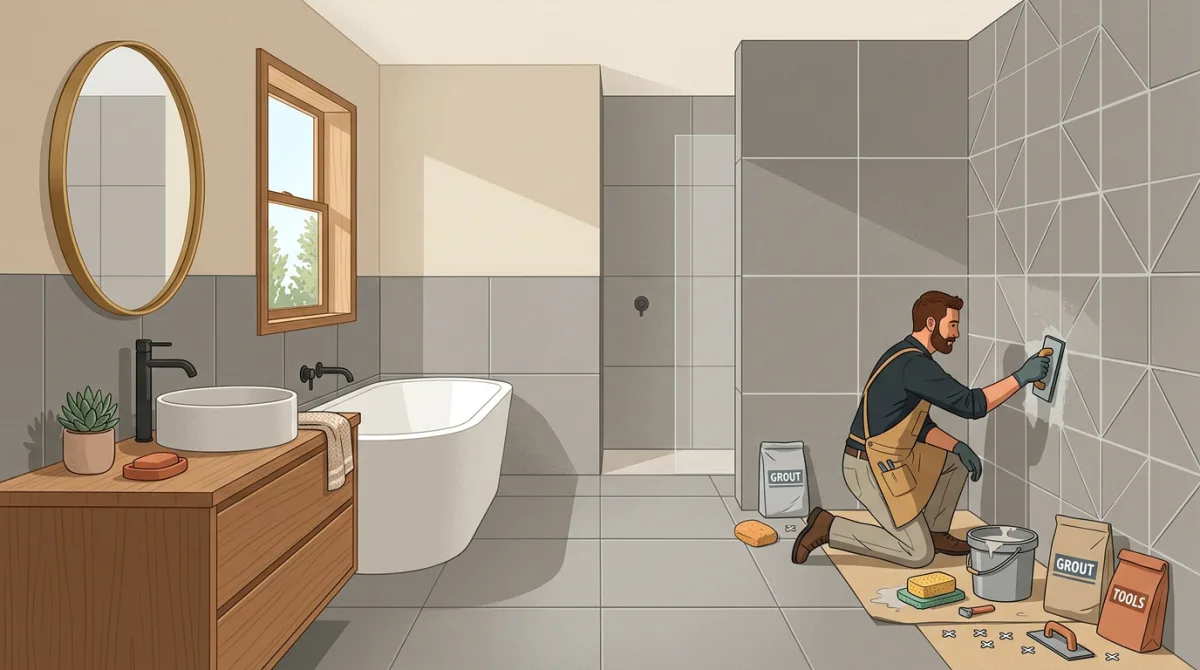
Bathroom tile installation is one of those projects where cost varies enormously based on material choice and scope. A basic floor tile job and a full master bath wet-area build-out are entirely different projects. Here’s a complete breakdown of what to expect to pay in 2026 — and what you’re actually paying for.
Average Bathroom Tile Installation Cost
The total cost of bathroom tile installation depends on material cost, labor, and substrate prep. National averages for 2026:
| Project | Average Cost |
|---|---|
| Bathroom floor tile only (50 sq ft) | $800–$2,000 |
| Shower wall tile only (80 sq ft) | $1,200–$3,200 |
| Full shower (floor + walls) | $2,000–$5,500 |
| Full bath tile (floor + shower + accent) | $3,500–$9,000 |
| Tile removal + replacement | Add $1–$3 per sq ft |
Labor alone typically runs $7–$15 per square foot for standard tile. Complex formats (large-format, mosaic, herringbone, subway offset) add to labor time and cost.
Tile Material Cost by Type
The tile you select has an enormous impact on total cost. Material costs:
| Tile Type | Material Cost (per sq ft) | Notes |
|---|---|---|
| Ceramic | $1–$4 | Budget-friendly, good for floors and wall |
| Porcelain | $3–$8 | Harder, less porous, better for showers |
| Natural stone (marble, travertine) | $8–$25 | Premium look, requires sealing, more labor |
| Subway tile (3×6 ceramic) | $2–$5 | Classic, versatile, easy to source |
| Large format (24×24 or 24×48) | $5–$12 | Fewer grout lines, harder to install, leveling required |
| Glass mosaic | $10–$25 | High labor — small pieces, mesh-mounted |
| Encaustic cement | $6–$15 | Requires sealing, period aesthetic |
Budget pick: Porcelain tile at 12×12 or 12×24 offers the best durability-to-cost ratio. It’s harder than ceramic, denser (less moisture absorption in showers), and widely available.
Value trap: Natural stone looks stunning but requires sealing twice yearly, can etch from soap scum, and costs 2–4× more in labor to install correctly (back-buttering required, uneven thickness, careful layout planning).
What You’re Paying for in Tile Labor
Tile installation is skilled trade work. The labor cost pays for:
-
Substrate prep: For showers, cement board or WonderBoard must be installed over studs. On floors, any flex in the subfloor must be addressed (deflection cracks tile). A good tiler won’t skip this — a bad one will, and you’ll see cracks in 2–3 years.
-
Waterproofing membrane: Shower pans, curbs, and niche areas should have a waterproofing membrane (RedGard, Schluter Kerdi, or similar). This is non-negotiable for a shower that lasts.
-
Layout planning: Good tilers plan the layout to avoid narrow cut pieces at focal points. They center patterns, account for level changes, and align grout lines across walls.
-
Cutting and fitting: Tile cuts around fixtures, niches, drains, and corners require skill and the right tools.
-
Grouting and sealing: Grout selection (sanded vs unsanded, color, epoxy vs cement) affects both appearance and maintenance. Sealing grout extends its life significantly.
Signs of a Skilled Tile Contractor
When getting quotes or evaluating work:
Green flags:
- Discusses substrate and waterproofing before talking tile
- Measures the space before quoting (not just eyeballing)
- Shows you photos of comparable completed work
- Can discuss grout joint size and layout options
- Provides a written contract with materials specified
Red flags:
- Doesn’t mention cement board or waterproofing
- Won’t specify what adhesive and grout brands they use
- No photos of past bathroom tile work
- Quote comes in dramatically below others (often means shortcut on substrate)
See our bathroom remodel cost guide for Houston for a full remodel cost context.
DIY vs. Hiring a Pro
DIY is reasonable for:
- Straight-run floor tile in a simple layout
- Backsplash tile (no waterproofing required)
- Simple bathroom floor replacement (tile-over-tile is possible with proper prep)
Hire a pro for:
- Any wet area (shower, tub surround) — waterproofing failure is expensive to remediate
- Large-format tile (requires specialized leveling clips and skill)
- Natural stone (handling, cutting, sealing requires experience)
- Any substrate that needs repair or replacement
The cost of fixing a failed DIY shower tile job — remediation, mold treatment, new substrate, retile — typically runs $3,000–$8,000. The original pro labor cost would have been $1,500–$3,000.
Find a Tile Contractor Near You
Stop searching Reddit for recommendations. Find a verified tile installer who shows up and does it right.
Find a tile pro → houseescort.com
Frequently Asked Questions
How much does it cost to retile a small bathroom in 2026?
A small bathroom (50–80 sq ft total tile area, floor only plus a simple shower) typically costs $2,000–$4,500 for materials and labor in 2026. If you’re replacing existing tile, add $400–$800 for removal and disposal. Natural stone or complex patterns push costs higher.
Is porcelain or ceramic tile better for a bathroom floor?
Porcelain is the better choice for bathroom floors. It’s denser, harder (rated 5–6 on the Mohs scale vs ceramic at 3–4), and absorbs less moisture — critical near toilets, tubs, and shower entries where water exposure is regular. The cost premium is modest (roughly $2–$4 more per sq ft) and worth it.
How long does bathroom tile installation take?
A standard bathroom floor tile job (50–80 sq ft) takes 1–2 days including prep, installation, and grouting. A full shower retile with substrate work takes 3–5 days. The tile must cure for 24–48 hours before light use and 72 hours before heavy shower use.
What’s the best grout color for a bathroom?
Medium gray grout is the most forgiving in bathrooms — it hides dirt and minor discoloration better than white grout, while avoiding the stark look of dark grout in light-colored tile schemes. For white subway tile, classic bright white grout looks clean but requires more maintenance. Epoxy grout is the most stain-resistant option for shower floors.
Do I need to seal tile in a bathroom?
Porcelain and ceramic tile itself doesn’t require sealing. Grout does — apply a penetrating grout sealer annually in high-use bathrooms. Natural stone (marble, travertine, slate) must be sealed before grouting, then annually thereafter. Unsealed natural stone in a wet area stains and etches from soap and hard water.