Bathroom Remodel Costs in 2026
House Escort Team
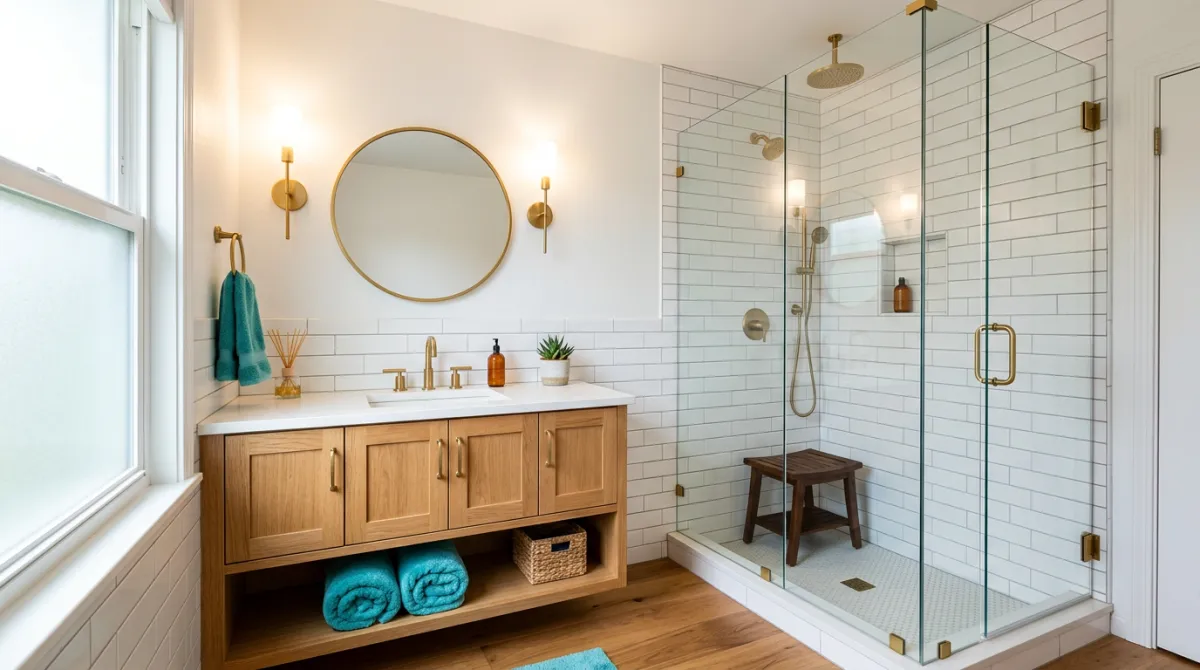
Bathroom Remodel Costs in 2026: What to Expect
A bathroom remodel is one of the most popular home improvement projects — and one of the trickiest to budget. Costs can range from $3,000 for a cosmetic refresh to $50,000+ for a high-end primary bathroom overhaul, and the variables that determine where your project lands are numerous.
This guide breaks down real 2026 costs by project scope, individual components, and key factors that influence your total. Whether you’re planning a quick update or a full gut renovation, you’ll know what to expect before the first tile is pulled.
Average Bathroom Remodel Costs in 2026
Based on national averages from industry data and contractor surveys:
| Project Scope | Average Cost Range | Typical Duration |
|---|---|---|
| Cosmetic refresh | $3,000–$7,000 | 1–2 weeks |
| Mid-range remodel | $12,000–$25,000 | 3–5 weeks |
| High-end remodel | $30,000–$50,000+ | 6–10 weeks |
| Small bathroom (under 40 sq ft) | $5,000–$15,000 | 2–4 weeks |
| Primary bathroom (full) | $18,000–$40,000+ | 5–8 weeks |
These ranges reflect national averages. Your actual costs depend on your location, the condition of existing systems (plumbing, electrical, structural), your material selections, and local labor rates.
Cost Breakdown by Component
Understanding what each element costs helps you prioritize and make trade-offs.
Labor (40–60% of Total Cost)
Labor is typically the single largest expense in a bathroom remodel. National average labor rates for bathroom renovation work:
- General contractor/project management: $50–$100/hour
- Plumber: $75–$150/hour
- Electrician: $65–$130/hour
- Tile installer: $40–$100/hour
- Painter: $30–$60/hour
For a mid-range remodel, expect labor to run $5,000–$15,000 depending on complexity and your market. Urban areas and high-cost-of-living regions (Bay Area, NYC, Boston) will be at the top of these ranges. For regional cost data, see our Austin, Dallas, Houston, and San Antonio cost guides.
Tile and Flooring ($1,500–$5,000+)
Tile is where aesthetic choices create the biggest cost swings:
- Ceramic tile: $1–$5/sq ft (material) — affordable and durable
- Porcelain tile: $3–$10/sq ft — more water-resistant, wider design options
- Natural stone (marble, slate): $5–$30/sq ft — premium look, higher maintenance
- Large-format tile: reduces grout lines for a modern look but requires more skilled installation
- Installation labor: $5–$15/sq ft depending on pattern complexity
Budget tip: Use premium tile as an accent (shower niche, feature wall) and more affordable tile on floors and remaining walls for the designer look at a fraction of the cost.
Vanity and Countertop ($500–$5,000+)
- Stock vanity (single sink): $200–$1,000
- Semi-custom vanity: $800–$2,500
- Custom vanity: $2,000–$6,000+
- Laminate countertop: $100–$400
- Quartz countertop: $300–$1,200
- Natural stone countertop: $400–$2,000+
Floating vanities (wall-mounted) are trending in 2026 and can actually cost less to install since they don’t require floor-level plumbing adjustments.
Shower and Tub ($1,000–$8,000+)
- Prefabricated shower/tub surround: $300–$1,500 (materials + basic install)
- Custom tile shower: $3,000–$8,000+ (materials + labor)
- Walk-in shower with glass enclosure: $2,500–$7,000+
- Freestanding tub: $500–$5,000+ depending on material
- Tub-to-shower conversion: $2,000–$6,000
Walk-in showers continue to be the most requested feature in 2026 bathroom remodels. If your bathroom footprint allows it, removing the tub in favor of a larger walk-in shower is a popular upgrade — though keep at least one tub in the home for resale value.
Toilet ($200–$1,500)
- Standard two-piece toilet: $150–$400
- One-piece toilet: $250–$700
- Wall-hung toilet: $400–$1,500 (requires carrier frame installation)
- Installation labor: $150–$300
Look for WaterSense-labeled toilets that use 1.28 gallons per flush or less. The EPA’s WaterSense program estimates these models save 13,000 gallons of water per year compared to older toilets.
Plumbing ($1,000–$5,000+)
Plumbing costs depend heavily on whether you’re keeping fixtures in their current locations:
- Fixture replacement (same location): $500–$1,500
- Moving fixtures to new locations: $1,500–$5,000+
- Updating supply lines and drain lines: $500–$2,500
- Adding a new bathroom or half bath: $5,000–$15,000+ (plumbing alone)
Moving plumbing is one of the biggest cost drivers in a bathroom remodel. Keeping fixtures in their current locations saves thousands.
Electrical ($500–$2,500+)
- GFCI outlet installation: $150–$250 per outlet
- New lighting fixtures: $200–$1,000 (fixtures + installation)
- Exhaust fan replacement: $200–$500
- Heated floor system: $500–$2,000 (materials + installation)
- Bringing electrical up to code: varies significantly
All bathroom electrical work must meet current building codes, which require GFCI protection for all outlets, proper ventilation, and adequate circuit capacity. This work must be done by a licensed electrician. Our guide on hiring a reliable electrician can help you find one.
Fixtures and Hardware ($300–$2,000+)
The “jewelry” of the bathroom — faucets, showerheads, towel bars, and accessories:
- Faucet (single sink): $100–$600
- Shower fixture set: $150–$1,000+
- Towel bars, hooks, toilet paper holder: $50–$300 total
- Mirror: $50–$500
- Medicine cabinet: $100–$500
Matte black, brushed gold, and brushed nickel finishes are the top trends for 2026. Mixing metals intentionally (e.g., brushed gold faucets with matte black shower fixtures) is increasingly popular when done with a cohesive design plan.
Factors That Increase Costs
Several factors can push your bathroom remodel above average estimates:
Hidden Damage
Opening walls and floors often reveals surprises:
- Water damage and mold: remediation adds $500–$5,000+
- Outdated plumbing (galvanized pipes, polybutylene): full replacement may be necessary
- Asbestos in older homes: professional abatement is required and expensive
- Structural issues: rotted subfloor, compromised joists
Budget a 10–20% contingency for unexpected issues. For homes built before 1980, budget 15–20%.
Permit and Code Requirements
Most bathroom remodels involving plumbing, electrical, or structural changes require permits. Permit costs vary by municipality but typically run $100–$500. Bringing older systems up to current code can add significant costs but is required by law and protects your safety.
Accessibility Upgrades
If you’re planning to age in place or accommodate mobility needs, consider:
- Curbless shower entry
- Grab bars (blocking inside walls during remodel is cheap now, expensive later)
- Comfort-height toilet
- Wider doorway
Adding these during a remodel is far more cost-effective than retrofitting later.
How to Save Money Without Cutting Quality
Keep the Layout
The most impactful cost-saving decision is keeping the toilet, sink, and shower/tub in their current locations. Moving plumbing is expensive and often triggers additional permit requirements.
Refinish Instead of Replace
- Bathtub refinishing: $300–$600 vs. $1,000–$5,000+ for replacement
- Tile refinishing/reglazing: $500–$1,000 vs. $3,000–$8,000 for retiling
Mix Price Points
Use premium materials where they have the most visual impact (shower wall, countertop) and save on less visible areas (floor tile, behind the toilet).
Do Cosmetic Work Yourself
Painting, installing hardware, replacing a mirror, and installing accessories are DIY-friendly tasks that save $500–$1,500 in labor. Leave plumbing, electrical, tile, and anything structural to professionals. For help deciding what to DIY, check our DIY vs. hire a pro guide.
Return on Investment
According to remodeling industry data, a mid-range bathroom remodel typically recoups 60–70% of its cost at resale. A minor bathroom refresh (cosmetic updates, new fixtures, paint) can recoup 80%+ because the investment is smaller.
The highest-ROI bathroom improvements:
- Updated vanity and mirror
- New tile flooring
- Modern lighting
- Fresh paint
- New fixtures and hardware
A full gut renovation has a lower ROI percentage but may be necessary for older homes with dated plumbing, mold issues, or severely outdated layouts.
Finding the Right Contractor
The quality of your contractor determines the quality of your remodel. Get at least three detailed bids, check references, verify insurance and licensing, and don’t automatically go with the cheapest option.
For more on the bidding process, see our contractor bidding and estimating guide.
Find a trusted pro near you → houseescort.com
Frequently Asked Questions
How long does a typical bathroom remodel take?
A cosmetic refresh takes 1–2 weeks. A mid-range remodel with new tile, vanity, and fixtures typically takes 3–5 weeks. A full gut renovation of a primary bathroom can take 6–10 weeks. Add 1–2 weeks if permits are required. The biggest delays usually come from material lead times — order specialty tiles and vanities early.
Can I remodel a bathroom for under $5,000?
Yes, but you’ll need to keep the existing layout and focus on cosmetic updates: paint, new hardware, a stock vanity, a new mirror, updated light fixtures, and possibly refinished tile. These updates can dramatically change the look and feel of a bathroom without touching plumbing or structural elements.
Should I remodel the bathroom myself to save money?
Some tasks are DIY-appropriate: painting, installing hardware, replacing a vanity (if plumbing connections stay the same), and adding accessories. Plumbing, electrical, waterproofing, and tile installation are best left to professionals — mistakes in these areas lead to water damage, mold, and code violations that cost far more to fix than the original labor savings.
What bathroom features add the most value to a home?
Walk-in showers, double vanities (in primary bathrooms), adequate lighting, and modern fixtures consistently top buyer preference lists. Energy-efficient features like low-flow toilets and LED lighting also appeal to buyers. The overall condition and style of the bathroom matters more than any single feature.
Do I need a permit for a bathroom remodel?
If your remodel involves plumbing changes, electrical work, or structural modifications (moving walls, enlarging a doorway), you almost certainly need a permit. Cosmetic-only work (paint, hardware, vanity swap with existing connections) typically doesn’t require permits. Check with your local building department — your contractor should handle the permit process.