Average Cost to Build a Fence in Texas
House Escort Team
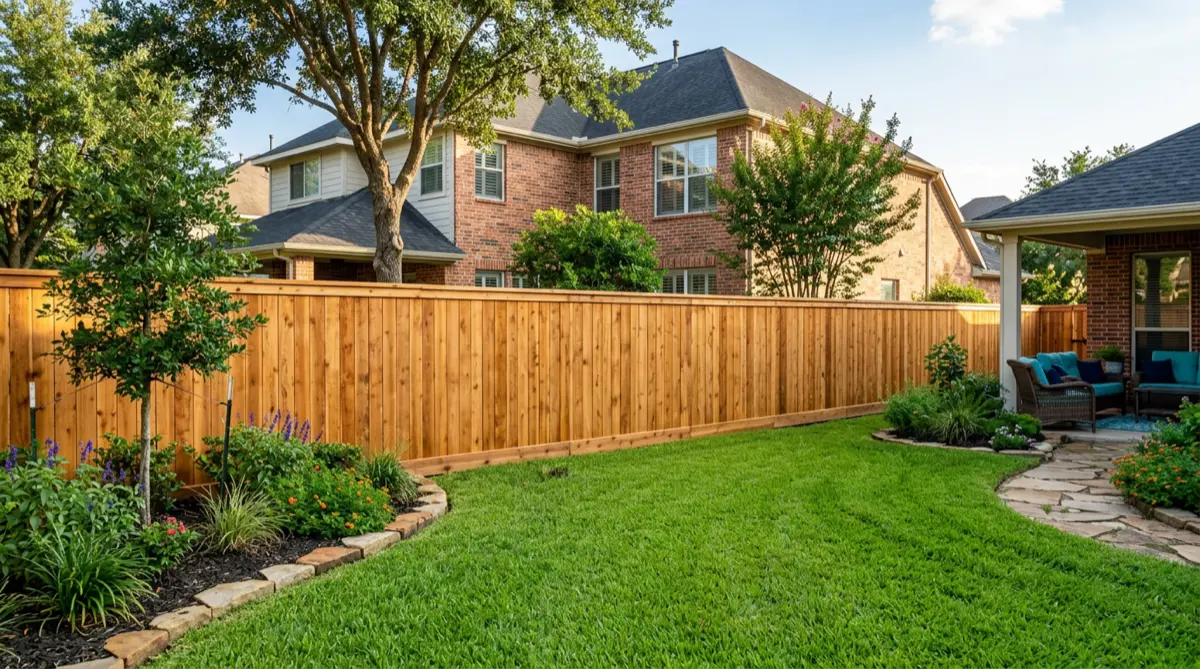
Building a fence in Texas is one of the most common home improvement projects — and one of the most price-variable. The right fence for a Houston backyard looks different from one suited to Dallas or San Antonio, and prices swing dramatically based on material, length, height, and the contractor you choose.
Here’s a complete cost breakdown for building a fence in Texas, with material comparisons, city-specific pricing, and tips for getting the best value.
Average Fence Installation Cost in Texas
The average cost to install a privacy fence in Texas ranges from $15–$45 per linear foot for labor and materials combined, depending on the material and complexity.
For a typical Texas backyard (150–200 linear feet of fencing), total project costs typically run:
| Material | Low Estimate (150 LF) | Average (175 LF) | High Estimate (200 LF) |
|---|---|---|---|
| Pressure-treated pine | $1,800 | $2,800 | $4,000 |
| Cedar | $2,400 | $3,500 | $5,000 |
| Vinyl | $3,000 | $4,500 | $6,500 |
| Aluminum | $2,800 | $4,200 | $6,000 |
| Wrought iron | $4,500 | $7,000 | $10,000+ |
| Chain-link | $1,200 | $1,800 | $2,800 |
Costs include materials, labor, and standard post installation. Estimates vary by city, contractor, and site conditions.
Wood Fence Costs in Texas
Wood is the most popular fence material in Texas for privacy fencing. Two primary options:
Pressure-Treated Pine
The most affordable wood option. Pressure-treated pine has been chemically treated to resist rot, insects, and moisture — essential in Texas’s hot, humid climate (particularly Houston and Southeast Texas).
- Cost per linear foot: $12–$22 installed
- Lifespan: 15–20 years with basic maintenance
- Pros: Affordable, paintable, widely available
- Cons: Can warp or crack in extreme heat/drought cycles; requires periodic sealing or painting
Cedar
Cedar is naturally rot-resistant and more dimensionally stable than pine in Texas’s climate. It’s the premium wood choice.
- Cost per linear foot: $16–$28 installed
- Lifespan: 20–30 years with proper maintenance
- Pros: Naturally rot-resistant, attractive grain, holds up better than pine in heat
- Cons: More expensive; requires staining every 2–3 years to maintain appearance
Texas climate note: Both pine and cedar are affected by Texas’s shrink-swell soil. Posts that aren’t set deep enough (minimum 2 feet below frost line, deeper in areas with expansive clay) will lean and shift. Ensure your contractor uses concrete footings.
Vinyl Fence Costs in Texas
Vinyl (PVC) fencing has grown significantly in popularity across Texas due to its low maintenance requirements.
- Cost per linear foot: $20–$35 installed
- Lifespan: 20–30+ years
- Pros: No painting, staining, or sealing required; won’t rot or attract insects; consistent appearance
- Cons: Higher upfront cost; can become brittle in prolonged extreme cold (less of a concern in South Texas); limited repair options if panels break
Vinyl works well in HOA communities that require uniform fence appearance, and in areas with high humidity (Houston) where wood maintenance is burdensome.
Iron and Aluminum Fence Costs in Texas
Ornamental metal fencing — wrought iron or aluminum — is popular for front yards, pools, and decorative perimeters.
Aluminum
- Cost per linear foot: $18–$30 installed
- Pros: Rust-proof, lightweight, low maintenance, available in many styles
- Cons: Less substantial than wrought iron; dents more easily
Wrought Iron
- Cost per linear foot: $25–$50+ installed
- Pros: Durable, elegant, very strong; adds significant curb appeal
- Cons: Requires painting/sealing to prevent rust; more expensive; heavier installation
Metal fencing is primarily decorative — it doesn’t provide the privacy of a solid wood or vinyl fence. It’s commonly combined with masonry walls or used in front-yard and pool-area applications.
Chain-Link Fence Costs in Texas
Chain-link is the most affordable option for utilitarian fencing — securing pets, delineating property lines, or enclosing a yard without privacy requirements.
- Cost per linear foot: $8–$20 installed
- Pros: Very affordable, durable, low maintenance
- Cons: No privacy; not generally allowed in HOA communities; aesthetically plain
Privacy slats can be added to chain-link for partial screening (~$2–$5 per linear foot additional).
City-by-City Cost Comparison
Labor costs vary across Texas:
| City | Pressure-Treated Pine (per LF) | Cedar (per LF) | Vinyl (per LF) |
|---|---|---|---|
| Houston | $15–$25 | $18–$30 | $22–$38 |
| Dallas | $14–$24 | $17–$28 | $20–$35 |
| Austin | $15–$26 | $18–$30 | $22–$38 |
| San Antonio | $13–$22 | $16–$26 | $18–$32 |
For Dallas-specific home project costs, see our Dallas home repair costs guide.
HOA and Permit Considerations
HOA rules: Many Texas HOA communities regulate fence height, material, color, and gate placement. Review your HOA’s CC&Rs before selecting a material or hiring a contractor. Violations can result in fines and required removal.
City permits: Most Texas cities require a permit for new fence installation. Permit fees are typically $50–$200. Your contractor should pull the permit — if they suggest skipping it, find a different contractor.
Property lines: Confirm your property lines before installation. Building on a neighbor’s property, even by a few inches, can create legal disputes. In Texas, survey stakes may have moved or degraded — a property survey ($300–$800) confirms your lines. For shorter fences along established property lines, neighbors may share fence costs — a conversation worth having before installation.
Finding a Fence Contractor in Texas
Get at least three quotes. Verify each contractor:
- Carries general liability insurance (critical if they damage a neighbor’s property)
- Pulls the required city permit
- Provides written contract with material specs, post depth, and warranty terms
House Escort connects Texas homeowners with vetted fence contractors across Houston, Dallas, Austin, and San Antonio — with no commission markup passed to you. Find a fence contractor →
Also see our guide on questions to ask a contractor before hiring before any project.
Frequently Asked Questions
How much does a 6-foot privacy fence cost per linear foot in Texas?
A standard 6-foot pressure-treated pine privacy fence in Texas costs approximately $15–$25 per linear foot installed. Cedar runs $18–$30 per linear foot. Vinyl costs $22–$38 per linear foot. Prices vary by city, with Houston typically slightly higher than San Antonio due to labor rates.
How long does fence installation take in Texas?
A standard residential fence installation (150–200 linear feet) typically takes 1–2 days for a professional crew. Larger projects, complex terrain, or concrete work around pool fences may take 2–3 days. Post concrete should cure 24–48 hours before boards are attached, so some contractors schedule a multi-day install with a curing gap.
Do I need a permit to build a fence in Texas?
Most Texas cities require a permit for new fence construction. Permit requirements vary by city and sometimes by fence height — fences under 6 feet may not require a permit in some jurisdictions, while 8-foot fences almost always do. Check with your city’s permitting department or ask your contractor. Building without a required permit can cause issues when selling your home.
What is the most durable fence material for Texas weather?
Vinyl is generally the most maintenance-free option in Texas’s climate — it doesn’t rot, rust, or need painting. Cedar is the premium wood option for durability. Aluminum is excellent for decorative applications. Pressure-treated pine is the most budget-friendly durable option. Chain-link lasts 20+ years with minimal maintenance. Avoid untreated wood — Texas’s heat and humidity will destroy it quickly.
Can I build a fence on the property line in Texas?
In Texas, fences are typically built on or very close to the property line. Best practice is to build 1–2 inches inside your property line to avoid any encroachment dispute. Before installing, confirm your property lines with survey stakes or a new survey. For shared perimeter fences (between two neighbors), a cost-sharing agreement can be mutually beneficial — and some Texas cities have laws about shared fence maintenance obligations.