Starting an Appliance Repair Business in Texas
House Escort Team
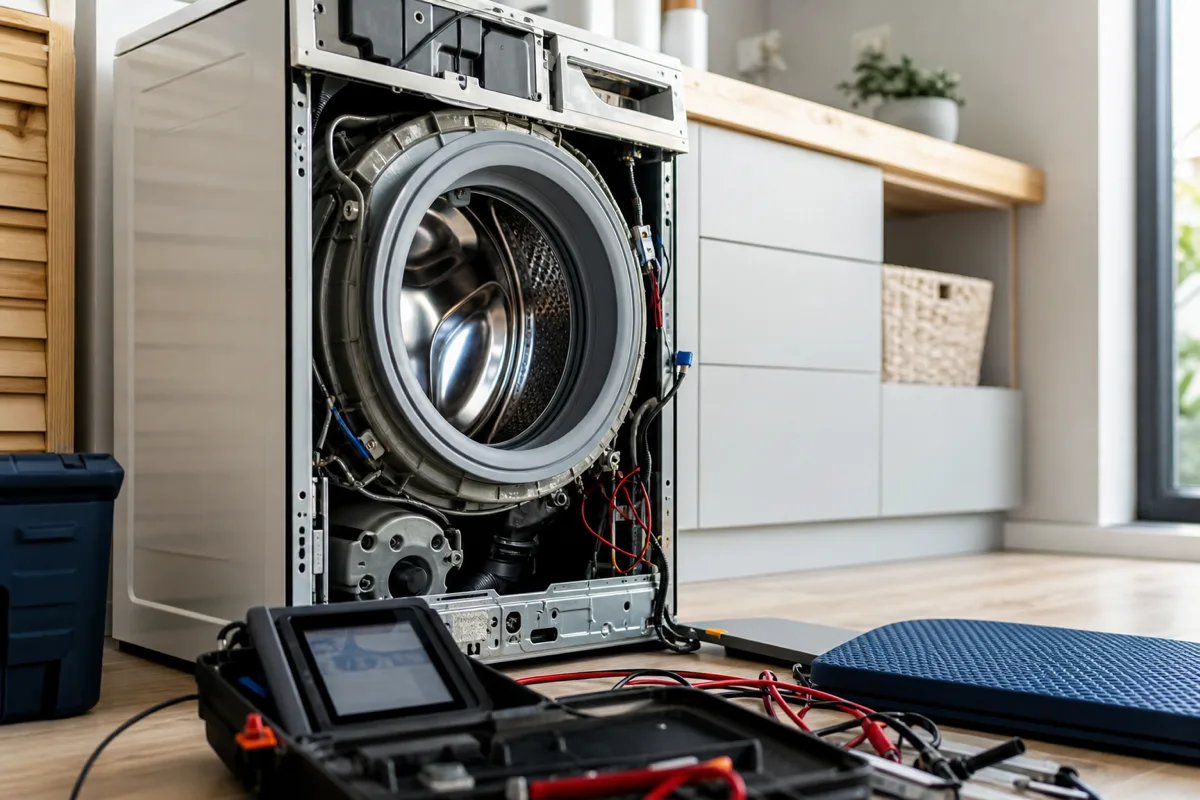
Appliance repair is one of the most resilient home service businesses. Appliances break regardless of economic conditions, and homeowners almost always prefer repair over $800–$3,000 replacement costs for major appliances. In Texas — with a population of 30 million, a housing market constantly adding new units, and year-round heat that stresses refrigerators, AC systems, and more — the demand is consistent.
Why Appliance Repair Is a Strong Texas Business
Low startup costs: Compared to HVAC, electrical, or plumbing, appliance repair requires modest initial investment — a van, tools, and basic diagnostic equipment. A well-equipped starting setup costs $8,000–$20,000 vs. $50,000–$150,000+ for many other trades.
No state licensing requirement in Texas: Unlike electricians, plumbers, and HVAC technicians, appliance repair technicians are not state-licensed in Texas. You do need a business license from your city/county, general liability insurance, and EPA 608 certification if you work on refrigeration systems. But the barrier to entry is lower than most trades.
Repeat customer potential: A homeowner who had their dishwasher repaired well will call the same technician for the next refrigerator, washer, or oven issue. Customer lifetime value is high.
Growing market: Texas’s combination of population growth, high homeownership rate, and large homes with multiple major appliances creates expanding demand for repair services.
Certifications and Training
EPA 608 Certification: Required by federal law if you handle refrigerants (refrigerators, wine coolers, ice makers). Take the exam through an EPA-authorized testing site — typically $20–$50 with a 2–4 hour study requirement. Universal certification covers all refrigerant types.
Manufacturer training: Major appliance brands (Samsung, LG, Whirlpool, GE, Bosch, Sub-Zero) offer technician training programs and, for authorized service providers, access to parts at preferred pricing and brand referrals. Getting authorized by 1–3 major brands significantly improves parts access and gives you marketing credibility.
Industry associations: The United Servicers Association (USA) and Professional Service Association (PSA) offer technical training, certification, and industry resources for appliance repair technicians.
On-the-job learning path: Many successful Texas appliance repair technicians started by working for an established shop for 1–3 years before going independent. If you don’t have technical background, this is the fastest path to practical competence.
Startup Equipment and Tools
Essential tools (estimated cost: $3,000–$8,000):
- Multi-meter and clamp meter
- Vacuum pump and manifold gauges (for refrigeration work)
- Refrigerant scale
- Appliance dolly and moving straps
- Basic hand tools (screwdrivers, nut drivers, pliers)
- Cordless drill set
- Flashlight and inspection mirror
- Laptop or tablet with diagnostic software access
Service vehicle: A used cargo van ($15,000–$35,000) or full-size pickup with covered tool storage. Branded magnetics for the vehicle are a minimal marketing cost with high visibility impact — budget $200–$400 for vehicle magnetics at launch.
Parts and inventory: Carrying minimal common parts (door gaskets, heating elements, belts, ignitors) reduces return trip rates. Starting with $1,000–$3,000 in van stock for common failure parts is reasonable.
Business Setup Checklist for Texas
- Register business entity (LLC recommended — $300 with Texas SOS + registered agent)
- Obtain EIN from IRS (free at irs.gov)
- Open dedicated business checking account
- Register for Texas sales tax permit (free at Texas Comptroller website)
- Get general liability insurance ($500–$1,500/year for a solo appliance tech)
- Obtain local business license/permit (varies by city — typically $50–$200/year)
- EPA 608 certification if working on refrigeration
- Set up Google Business Profile with your service area
Pricing Your Appliance Repair Services
Service call / diagnostic fee: $75–$125 in most Texas metros. This is the fee charged to diagnose the problem. Waived if the customer proceeds with repair (most do). Don’t skip this fee — it qualifies leads and covers your drive time on jobs that don’t convert.
Labor rates: $95–$175/hour depending on complexity and your market position. Experienced technicians command higher rates; new businesses typically price toward the lower end to build reputation.
Common repair pricing (materials + labor, all-in):
- Washer (door seal, control board, pump): $150–$350
- Refrigerator (sealed system, evaporator fan, defrost heater): $200–$500
- Dishwasher (pump, control board, heating element): $150–$300
- Oven/Range (ignitor, bake element, control board): $125–$350
Parts pricing: Use a standard markup of 40%–60% over your cost from suppliers. Appliance parts from parts suppliers (Appliance Parts Pros, Encompass Parts) have reasonable pricing and fast shipping. Your markup covers the ordering time, carrying risk, and logistics.
Getting Your First Customers
Google Business Profile: Set up and optimize your Google Business listing immediately — this is the primary way Texas homeowners find appliance repair services. Get 5 reviews from friends, family, or early customers to establish credibility.
Nextdoor: Appliance repair is particularly well-suited to Nextdoor neighborhood recommendations. Create a business profile and respond to service requests in your coverage area.
Home warranty companies: Companies like American Home Shield, First American, Choice Home Warranty, and others use third-party service contractors for appliance repairs. Getting contracted with 1–2 home warranty companies provides consistent work volume, especially when you’re building your direct customer base.
Manufacturer authorized service: Applying to be an authorized service provider for 1–3 major brands gets you brand referrals and guaranteed parts pricing.
House Escort: Get your appliance repair business listed on House Escort to reach Texas homeowners actively searching for local appliance technicians.
List Your Appliance Repair Business →
Frequently Asked Questions
Do I need a license to start an appliance repair business in Texas?
There is no state-level appliance repair technician license in Texas. You need: a local business license (city/county), general liability insurance, and EPA 608 certification if you work on sealed refrigeration systems. Setting up as an LLC with a business bank account, insurance, and proper tax registration covers the required legal structure.
How much can an appliance repair technician earn in Texas?
A solo appliance repair technician in a Texas metro area running 6–8 service calls per day at $150–$300 average ticket can generate $120,000–$200,000+ in annual revenue. After vehicle, parts, insurance, and overhead costs (estimated $40,000–$70,000), net earnings of $70,000–$130,000+ are achievable for a well-run solo operation. Expanding to employees multiplies revenue but adds management complexity.
What appliances are most commonly repaired in Texas?
Washers and dryers, refrigerators, dishwashers, and ovens/ranges account for the majority of repair calls. In Texas specifically, refrigerators run hard in high ambient temperatures and have above-average failure rates. Ice maker repairs are also a disproportionate segment of Texas repair volume given how much residents depend on ice in the heat.
How do I get manufacturer authorization to repair Samsung or LG appliances?
Apply through the manufacturer’s service partner portal. Samsung’s service partner application is at samsungpartner.com; LG’s is through LG’s professional service portal. Requirements typically include: business registration, insurance documentation, EPA certification (for relevant models), and a service area commitment. Getting authorized provides factory training, guaranteed parts pricing, and brand-generated leads.