Anchorage Home Repair Costs in 2026
House Escort Team
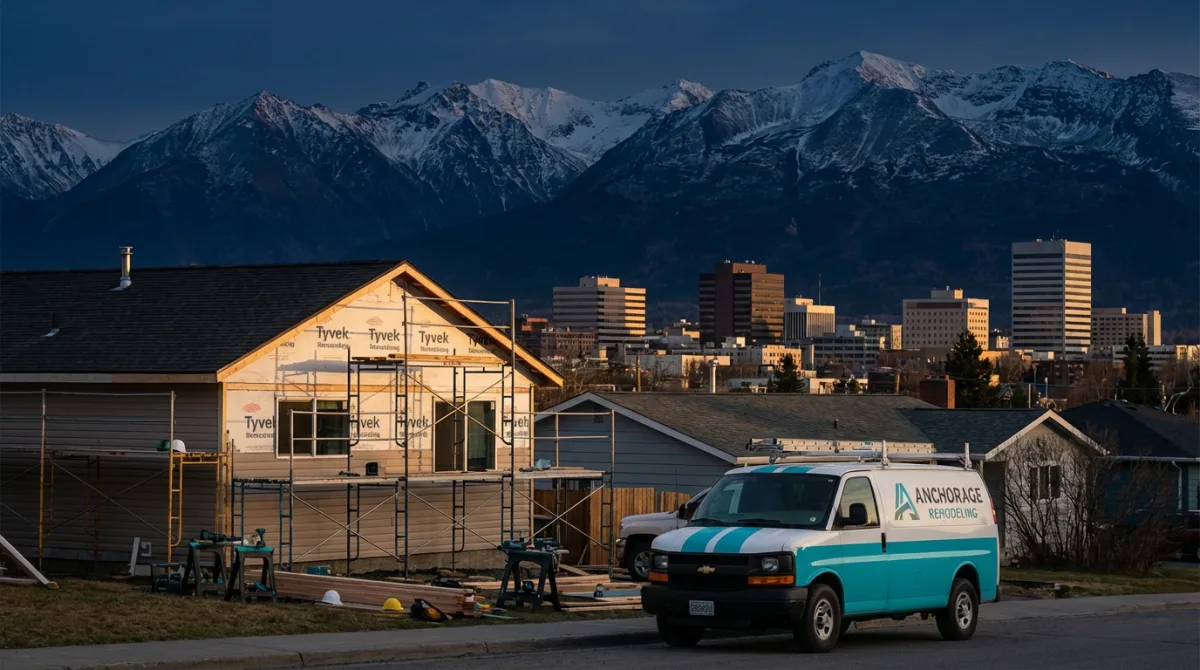
Anchorage Home Repair Costs in 2026
Understanding Anchorage home repair costs helps Alaska homeowners budget effectively and avoid sticker shock. Home repairs in Anchorage consistently run higher than the national average — often 20-40% more depending on the trade — due to the state’s remote location, limited contractor supply, harsh climate, and the higher cost of materials that must be shipped north.
This guide breaks down current pricing across the most common home repair categories in the Anchorage area: plumbing, HVAC, electrical, roofing, and winterization. All figures reflect 2026 market conditions for the Anchorage metro, including Eagle River, Wasilla, and the Mat-Su Valley.
Why Home Repairs Cost More in Anchorage
Before diving into specific costs, it helps to understand the factors driving Anchorage pricing above the national average:
Materials cost more. Nearly every building material used in Alaska is manufactured in the Lower 48 and shipped or flown north. Freight costs add a significant premium to lumber, plumbing fixtures, HVAC equipment, roofing materials, and electrical supplies.
Labor supply is limited. Anchorage has fewer licensed contractors per capita than most comparable-size cities. High demand and limited supply naturally drives rates up. Many skilled tradespeople work seasonal jobs on the North Slope or in remote Alaska, further tightening the local labor pool.
Climate demands more. Alaska’s extreme cold, freeze-thaw cycles, heavy snow loads, and permafrost-adjacent conditions create repair scenarios that don’t exist in most of the country. Systems must be built and maintained to higher standards, which costs more.
Seasonal compression. The construction and repair season in Anchorage is compressed into roughly May through October for exterior work. Contractors are extremely busy during summer months and often booked weeks or months out, which affects pricing and availability.
Plumbing Repair Costs
Plumbing issues in Anchorage are particularly urgent because freezing temperatures turn a minor leak into a burst pipe emergency within hours during winter months.
Common Plumbing Repairs
| Service | Typical Cost Range (Anchorage) |
|---|---|
| Service call / diagnostic visit | $100–$175 |
| Faucet repair or replacement | $175–$400 |
| Toilet repair | $150–$350 |
| Water heater replacement (tank) | $1,200–$2,500 |
| Water heater replacement (tankless) | $2,500–$4,500 |
| Burst pipe repair (emergency) | $300–$900 |
| Drain cleaning / clog removal | $150–$400 |
| Sewer line repair | $2,000–$6,000+ |
| Water line repair / replacement | $1,500–$4,000+ |
Anchorage-Specific Plumbing Considerations
- Heat tape and pipe insulation — Many Anchorage homes rely on heat tape to prevent frozen pipes. Replacement and installation of heat tape systems is a regular maintenance expense.
- Frost-proof faucets — Exterior faucets must be frost-proof models with interior shutoffs. Upgrading to proper frost-proof bibs is a common winterization expense.
- Well and septic systems — Homes outside the Anchorage Water and Wastewater Utility (AWWU) service area may rely on wells and septic systems, which have their own maintenance costs that can be significant in permafrost-affected areas.
For guidance on finding a qualified plumber, see our guide on how to hire a reliable plumber.
HVAC Repair and Maintenance Costs
Heating is not optional in Anchorage — it’s a survival requirement. Most Anchorage homes rely on natural gas forced-air furnaces, boiler systems, or heat pumps (increasingly popular for their efficiency in moderate cold).
Common HVAC Services
| Service | Typical Cost Range (Anchorage) |
|---|---|
| Furnace tune-up / inspection | $150–$300 |
| Furnace repair (minor) | $200–$600 |
| Furnace repair (major — heat exchanger, blower motor) | $500–$1,500 |
| Furnace replacement | $3,500–$7,500 |
| Boiler repair | $300–$1,200 |
| Boiler replacement | $5,000–$12,000 |
| Heat pump installation | $4,500–$9,000 |
| Ductwork repair | $300–$800 |
| Thermostat replacement | $150–$400 |
Anchorage-Specific HVAC Considerations
- Furnace failure is an emergency. When it’s -20°F outside, a dead furnace can lead to frozen pipes within hours. Emergency HVAC calls during winter months often carry premium rates — budget an extra 25-50% over standard rates for after-hours winter service.
- Dual-fuel systems — Some Anchorage homes are switching to heat pump systems backed by gas furnaces for extreme cold. These hybrid systems are more efficient overall but have higher installation and maintenance costs.
- Ventilation in tight homes — Many Anchorage homes are built extremely tight for energy efficiency, which requires mechanical ventilation (HRV or ERV systems) to maintain air quality. These systems need regular maintenance.
- Annual maintenance is critical — Pre-season furnace inspections in September or October are essential. A breakdown at -30°F is dangerous and expensive.
Electrical Repair Costs
Electrical work in Anchorage follows national code standards but with Alaska-specific considerations around extreme temperature ratings, moisture protection, and energy-efficient lighting for the long dark winter months.
Common Electrical Services
| Service | Typical Cost Range (Anchorage) |
|---|---|
| Service call / diagnostic | $100–$200 |
| Outlet installation or replacement | $150–$300 per outlet |
| Circuit breaker replacement | $150–$350 |
| Panel upgrade (100A to 200A) | $1,800–$3,500 |
| Whole-house rewiring | $8,000–$20,000+ |
| GFCI outlet installation | $150–$250 per outlet |
| Generator installation (standby) | $5,000–$15,000 |
| EV charger installation (Level 2) | $800–$2,000 |
| Smoke/CO detector installation (hardwired) | $100–$200 per unit |
Anchorage-Specific Electrical Considerations
- Generator systems — Power outages from winter storms, earthquakes, and wind events make backup generators more common in Anchorage than in most Lower 48 cities. Standby generator installation is a significant but increasingly popular investment.
- Lighting for dark months — With fewer than 6 hours of daylight during December, many Anchorage homeowners invest in upgraded interior lighting. LED retrofits, under-cabinet lighting, and smart lighting systems are common improvement projects.
- Earthquake preparedness — Anchorage sits in an active seismic zone. Electrical systems should be inspected after any significant seismic event, and automatic gas shutoff valves (tied to the electrical system) are a common safety upgrade.
Roofing Repair and Replacement Costs
Anchorage roofs endure punishing conditions: heavy snow loads, ice dams, freeze-thaw cycles, and high winds. Metal roofing is increasingly popular for its snow-shedding ability and longevity.
Common Roofing Services
| Service | Typical Cost Range (Anchorage) |
|---|---|
| Roof inspection | $200–$400 |
| Minor repair (flashing, small leak) | $300–$800 |
| Ice dam removal | $400–$1,000 |
| Roof replacement — asphalt shingles (avg home) | $10,000–$18,000 |
| Roof replacement — metal (avg home) | $15,000–$30,000 |
| Gutter cleaning and repair | $200–$500 |
| Attic insulation upgrade | $1,500–$4,000 |
Anchorage-Specific Roofing Considerations
- Snow load design — Anchorage building code requires roofs to handle significant snow loads. Older homes may not meet current standards, and structural assessment is important before any re-roofing project.
- Ice dams — Alaska’s freeze-thaw cycles are notorious for creating ice dams. Proper attic insulation, ventilation, and in some cases heated gutter systems or ice dam prevention cables are essential.
- Metal roofing popularity — Metal roofs have gained significant market share in Anchorage because they shed snow effectively, resist ice dam formation, and last 40-60+ years. The higher upfront cost is often justified by reduced maintenance and longer lifespan.
- Timing — Roofing work in Anchorage is almost exclusively a May-through-September activity. Emergency winter repairs are possible but significantly more expensive and limited in scope.
Winterization Costs
Winterization isn’t a single task in Anchorage — it’s a category of essential preparations that protect your home from months of sub-zero temperatures.
Common Winterization Services
| Service | Typical Cost Range (Anchorage) |
|---|---|
| Comprehensive winterization inspection | $200–$400 |
| Heat tape installation / replacement | $200–$600 |
| Pipe insulation (accessible areas) | $200–$500 |
| Exterior faucet winterization | $100–$250 |
| Window weatherization / storm windows | $100–$300 per window |
| Door weatherstripping replacement | $75–$200 per door |
| Crawl space insulation | $1,500–$4,000 |
| Foundation vent covers | $50–$150 |
Winterization Priority List for Anchorage Homes
- Furnace inspection and tune-up — Complete by early October
- Pipe insulation and heat tape check — Ensure all systems are functional before first hard freeze
- Weatherstripping and window sealing — Reduce heat loss and energy costs
- Gutter cleaning — Clear before freeze to prevent ice dams
- Exterior faucet shutoff — Disconnect hoses, shut interior valves, drain lines
- Roof and attic inspection — Check insulation levels and ventilation before snow season
For a detailed winterization walkthrough, see our complete guide on preparing your Anchorage home for winter.
How to Save on Home Repairs in Anchorage
Anchorage costs are higher, but there are strategies to manage your budget:
Schedule non-emergency work during shoulder seasons. September-October and April-May are less hectic for most trades. You’ll have better availability and potentially better pricing.
Bundle projects. If you need both plumbing and HVAC work, scheduling them together (or with the same company if they offer multiple services) can reduce trip charges and overhead.
Maintain proactively. Emergency rates in Anchorage — especially during winter — carry significant premiums. Annual inspections and preventive maintenance cost far less than emergency calls at -30°F on a Saturday night.
Get multiple estimates. Even in a tight market, getting 2-3 quotes ensures fair pricing. Costs between contractors can vary significantly.
Find pros through trusted platforms. House Escort connects Anchorage homeowners with verified local professionals. Compare pros, read reviews, and book directly — no bidding wars, no middleman fees.
For a comparison of costs in other markets, see our Houston home repair cost guide.
Find a trusted pro near you → houseescort.com
Frequently Asked Questions
Why are home repair costs so much higher in Anchorage than the national average?
Three primary factors drive higher costs: material shipping (nearly all building materials are manufactured in the Lower 48 and shipped north, adding significant freight costs), limited labor supply (fewer licensed contractors compete for work, driving rates up), and climate demands (systems must be built to withstand extreme cold, heavy snow loads, and freeze-thaw cycles, requiring higher-grade materials and more labor-intensive installation).
When is the best time to schedule home repairs in Anchorage?
For exterior work (roofing, siding, painting), May through September is essentially the only window. For interior work and HVAC, the shoulder seasons — September/October and April/May — offer the best combination of availability and pricing. Avoid scheduling non-emergency work during peak summer (June-July) when contractors are fully booked, or during deep winter when emergency premiums apply.
Should I hire a contractor from Anchorage or someone from the Mat-Su Valley?
Both can be good options. Anchorage-based contractors are more convenient for in-city work, while Mat-Su contractors may offer competitive rates but factor in travel time. The most important factors are licensing, insurance, reviews, and experience — not geography. Verify that any contractor you hire is licensed for work in the Municipality of Anchorage if your home is within city limits.
How can I prevent frozen pipes in my Anchorage home?
Proper pipe insulation, functioning heat tape on vulnerable lines, maintaining interior temperatures above 55°F even when away, opening cabinet doors under sinks on exterior walls during extreme cold, and ensuring your home’s heating system is maintained and reliable. Homes with crawl spaces should have insulated and sealed crawl space enclosures. If you’ll be away from home during winter, have someone check on your property regularly or install a smart thermostat with low-temperature alerts.
Is it worth investing in a metal roof in Anchorage?
For most Anchorage homeowners, yes. Metal roofs cost more upfront than asphalt shingles but typically last 40-60+ years compared to 20-30 years for shingles. They shed snow more effectively (reducing structural stress and ice dam risk), require less maintenance, and perform better in Alaska’s harsh freeze-thaw climate. The long-term cost of ownership is often lower than replacing asphalt shingles two or three times over the same period.